

Introduction
Your feet carry you through nearly every part of the day. Walking to work, standing in the kitchen, shopping, exercising, climbing stairs, and moving around the house all depend on how well your feet and ankles support your body. When foot discomfort or poor support begins affecting movement, even simple activities can become less comfortable.
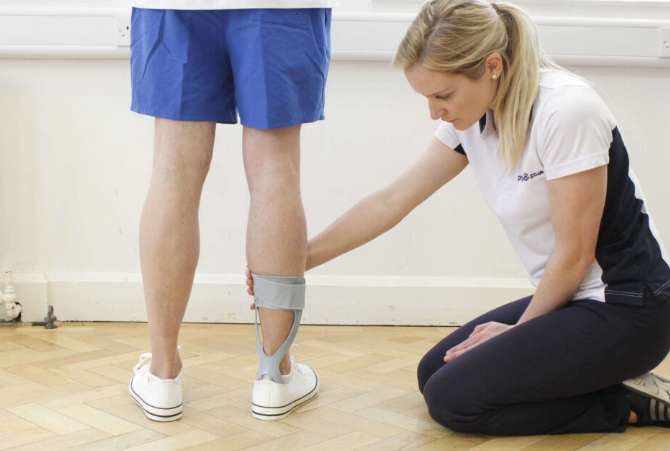
Custom orthotics are designed to provide individualized support for the feet and may be recommended when foot alignment, pressure, or movement mechanics are contributing to discomfort. Physical therapists may consider orthotics as part of a broader treatment plan that can also include strengthening, mobility exercises, gait training, and education.
For someone searching for Custom Orthotics near me, it is important to understand that an orthotic is not simply another shoe insert. The right support should be considered in relation to the person’s feet, movement patterns, daily activities, and overall treatment goals.
Why Foot Support Can Affect the Way You Move
The feet are the foundation of many everyday movements. They absorb forces when you walk, help maintain balance while standing, and work with the ankles, knees, hips, and other parts of the body to create efficient movement.
When the foot rolls excessively inward, lacks adequate support, or has another alignment concern, the way pressure moves through the foot can change. This does not mean every alignment difference causes pain, but in some situations, altered foot mechanics may contribute to stress on the foot and other areas of the lower body.
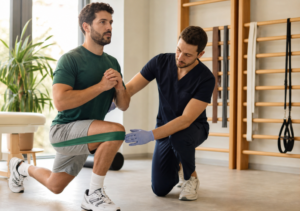
A physical therapy evaluation can look at more than just the painful area. A therapist may observe standing posture, walking patterns, foot and ankle mobility, strength, balance, and how the lower extremities work together.
This broader view can help determine whether additional foot support may be useful.
What Makes Custom Orthotics Different
Over-the-counter inserts are designed to fit a broad range of people. Custom orthotics, on the other hand, are made or selected to address the specific needs of an individual foot.
That distinction can matter when a person has particular movement or support requirements. The goal is not necessarily to create the most rigid or supportive insert possible. Instead, the appropriate design should match the individual’s needs and the activities they regularly perform.
The American Physical Therapy Association notes that physical therapists may recommend custom or over-the-counter orthotics depending on a person’s condition, and custom devices may sometimes be needed to fit a specific foot.
This is why an evaluation can be more valuable than simply purchasing an insert based on general recommendations.
When Custom Orthotics May Be Considered
Custom orthotics may be considered for a variety of foot and lower-extremity concerns. They can sometimes be used to support the foot, reduce pressure, or help manage abnormal movement patterns as part of a larger treatment plan.
For example, people dealing with certain types of heel or arch discomfort may use orthotics along with stretching and strengthening exercises. Physical therapy guidance can also address the movement habits that may be contributing to symptoms.
Orthotics may also be considered when foot positioning is contributing to stress in another part of the lower extremity. In some cases, supporting the foot can help reduce stress placed on sensitive structures during walking or other activities.
However, an orthotic is not automatically appropriate for every person with foot pain. Understanding the cause of the problem should come first.
Looking at Walking and Gait Patterns
Walking is a coordinated activity involving the feet, ankles, knees, hips, and trunk. A small change in one area can influence how other parts of the body move.
A physical therapist may observe how a person walks to identify patterns that could be contributing to discomfort. They may look at foot placement, stride, balance, joint movement, and how the body responds to each step.
This type of assessment can be especially useful when someone notices that pain becomes worse after walking or standing for long periods.
For people searching Custom Orthotics near me, gait evaluation is an important consideration. The purpose of an orthotic should be connected to how the person actually moves, rather than simply how the foot looks while sitting or standing.
Supporting Comfort During Everyday Activities
Foot problems can become especially frustrating because the feet are involved in so many daily activities. Someone may feel fine while resting but notice discomfort after several hours of standing at work. Another person may experience pain during a walk, while exercising, or after spending an afternoon shopping.
These everyday situations can help identify what kind of support may be needed.
At Physical Therapy Advantage, treatment can be approached with practical goals in mind. Instead of focusing only on reducing symptoms during an appointment, the larger goal can be helping individuals move more comfortably during the activities they actually care about.
This might mean making walking easier, improving standing tolerance, returning to exercise, or feeling more comfortable while completing normal household responsibilities.
Orthotics Are Only One Part of the Picture
One common misunderstanding is that an orthotic alone will correct every movement problem. In reality, foot support is often only one part of a comprehensive treatment plan.
Physical therapy may also include exercises designed to improve the strength and endurance of the feet, ankles, legs, and surrounding muscles. Mobility work may address restrictions that affect walking mechanics, while balance exercises can help improve control during everyday movement.
For example, someone may receive an orthotic to provide additional foot support while also completing exercises to strengthen the muscles responsible for controlling the foot and ankle.
This combination can make treatment more functional because the person is not relying entirely on an external device.
Choosing the Right Support for Your Lifestyle
The best foot support can depend on how a person spends their time. Someone who works on their feet may have different needs from someone who primarily sits at a desk. A runner may require a different approach from someone whose main goal is comfortable walking around the neighborhood.
Footwear can matter as well. An orthotic needs to work with the shoes a person actually wears. A device that feels comfortable in one pair may not fit properly in another.
Discussing these details during an evaluation can help create a more practical plan. The goal should be support that fits into real life rather than a solution that becomes difficult to use.
Building Stronger Feet and Better Movement
External support can be helpful, but healthy movement also depends on the body’s ability to control itself. The muscles of the feet and lower legs play an important role in stability and movement.
Physical therapy can include exercises that improve strength, flexibility, balance, and coordination. These exercises can complement orthotic use by helping the body develop better movement capacity over time.
For example, a person with foot discomfort may work on calf flexibility, ankle mobility, foot strength, balance, and walking mechanics while using an orthotic when appropriate.
This approach focuses on both support and active participation in recovery.
Understanding What to Look For When Searching
A search for Custom Orthotics near me can produce many results, but location should not be the only factor when choosing care. It can be helpful to look for a provider who evaluates the way you stand and move, discusses your symptoms, and explains why an orthotic may be appropriate.
The American Physical Therapy Association recommends considering a physical therapist’s experience with foot, ankle, and orthopedic conditions when seeking care for problems involving the lower extremity.
It is also reasonable to ask questions about how an orthotic will fit into the overall treatment plan. Understanding the purpose of the device can help you make a more informed decision.
Creating a More Comfortable Foundation for Movement
Healthy movement starts from the ground up. When the feet have the support and mobility they need, it may become easier to work on movement throughout the rest of the body.
At Physical Therapy Advantage, a comprehensive approach can connect foot support with strengthening, mobility, balance, and functional movement. This allows treatment to focus on the individual rather than treating the orthotic as a one-size-fits-all solution.
For someone considering Custom Orthotics near me, that broader perspective can be valuable. The purpose of customized support should be connected to a person’s symptoms, movement patterns, lifestyle, and goals.
Conclusion
Foot discomfort can affect much more than the feet. It can change walking patterns, limit activity, make standing difficult, and reduce confidence during everyday movement. Custom orthotics may provide additional support for certain individuals when they are selected as part of an appropriate evaluation and treatment plan.
At Physical Therapy Advantage, orthotic support can be considered alongside exercises, mobility work, gait training, and other physical therapy strategies. This creates an approach that focuses not only on supporting the foot but also on helping the entire body move more effectively.
If you are searching for Custom Orthotics near me, the most useful first step is to understand what is contributing to your movement difficulty. With individualized guidance and the right combination of support and active rehabilitation, improving everyday comfort can become a more practical and achievable goal.