


Few cosmetic treatments spark as many questions as porcelain veneers. They promise a dramatic smile transformation, but they also come with a real price tag and a long-term commitment. So it is fair to ask: are porcelain veneers worth it?
The honest answer is that it depends on your goals, your teeth, and your budget. For the right patient, veneers can deliver a smile that looks natural and lasts for many years. For the wrong candidate, or someone with unrealistic expectations, they can be an expensive disappointment. This guide walks through what veneers are, what they cost, how long they last, and who benefits most, so you can decide with confidence.
What Are Porcelain Veneers?
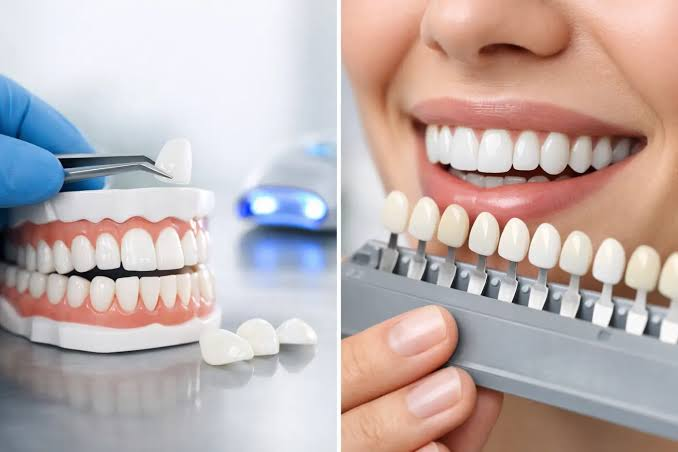
Porcelain veneers are thin, custom-made shells that bond to the front surface of your teeth. They are crafted from dental ceramic in a lab, designed to match your face, your bite, and your desired shade. Because porcelain reflects light much like natural enamel, a well-made veneer can look remarkably lifelike.
What Veneers Can Change
A single set of veneers can improve several features at once:
- Color: Veneers cover stains that whitening cannot lift.
- Shape: Pointed, uneven, or worn teeth can be reshaped.
- Size and length: Short or small teeth can look fuller and more proportional.
- Spacing: Small gaps can be closed.
- Surface: Minor chips, craze lines, and texture issues are covered.
Veneers vs Other Cosmetic Options
Veneers are one tool among many. Whitening brightens natural teeth but cannot change shape. Bonding uses tooth-colored resin to fix small flaws and is usually less costly but less durable. Crowns cover the entire tooth and are more suitable for badly damaged teeth. Orthodontics move teeth into better positions. You can see how these options fit together on the Essentials Dental cosmetic dentistry page.
How Much Do Porcelain Veneers Cost?
Cost is often the first concern, and it varies widely. Prices depend on your location, the dentist’s experience, the lab used, the number of teeth treated, and the complexity of your case.
Typical Price Range
Porcelain veneers are usually priced per tooth. In the United States, a commonly cited range is roughly a thousand dollars to a few thousand dollars per tooth, with the national picture varying considerably by region and provider. A full smile makeover involving six to eight teeth, or more, can therefore be a substantial investment. Treat any range you read online as a general guide and ask for a written estimate based on your own exam.
What Affects the Price
- Number of teeth: More veneers mean a higher total.
- Materials and lab quality: High-quality ceramics and skilled ceramists cost more.
- Dentist’s expertise: Experience and artistry influence pricing.
- Preparation needs: Extra work such as gum contouring or treating decay adds cost.
- Geographic area: Costs differ between cities and regions.
Does Insurance Cover Veneers?
Veneers are typically considered cosmetic, so most dental insurance plans do not cover them. Some plans may contribute if the treatment is part of a restorative need, but this is uncommon. Ask your insurer directly, and ask the dental office about payment plans or financing options if cost is a barrier.
Hidden and Long-Term Costs
Think beyond the upfront price. Over time, you may need to replace veneers, repair chips, or replace a night guard if you grind your teeth. Factoring in these possible expenses gives a more honest picture of value.
How Long Do Porcelain Veneers Last?
Longevity is a major part of whether veneers are worth it. With good care, porcelain veneers often last around 10 to 15 years, and some last longer. Others may need replacement sooner, depending on habits and circumstances.
Factors That Influence Lifespan
- Oral hygiene: Healthy gums and clean teeth protect the foundation beneath each veneer.
- Teeth grinding or clenching: Heavy forces can chip or crack porcelain.
- Diet and habits: Biting ice, hard candy, pens, or fingernails can cause damage.
- Quality of the work: Precise preparation, bonding, and design affect durability.
- Regular dental visits: Early detection of small problems prevents bigger ones.
Do Porcelain Veneers Stain?
Porcelain is highly resistant to staining compared with natural enamel or composite resin. However, the edges where the veneer meets the tooth can still collect surface stain, and the natural teeth around them can darken. That is another reason to plan whitening before veneers, not after.
Will Veneers Need Replacing?
Eventually, yes. Veneers are durable, but they are not permanent in the way a healthy natural tooth is. Because porcelain veneers usually involve removing a thin layer of enamel, the underlying tooth will continue to need a covering. Plan on future replacement as part of your long-term budget.
The Veneer Process: What to Expect
Knowing the steps helps you feel prepared.
Step 1: Consultation and Planning
Your dentist will examine your teeth and gums, discuss your goals, and review X-rays. Many dentists use photographs, digital previews, or a wax mock-up to help you visualize the result. This is the time to be honest about what you like and dislike about your smile.
Step 2: Preparing the Teeth
For traditional porcelain veneers, a thin layer of enamel, often around half a millimeter, is removed so the veneer sits flush with neighboring teeth. Local anesthesia is typically used for comfort. Some “minimal-prep” or “no-prep” systems remove little to no enamel, but they are not suitable for every case.
Step 3: Impressions and Temporary Veneers
Impressions or digital scans are sent to a dental laboratory, where your veneers are crafted. This often takes a couple of weeks. In the meantime, you may wear temporary veneers to protect your teeth and preview the shape.
Step 4: Bonding the Final Veneers
At the final visit, your dentist checks the fit and color, then bonds each veneer in place with a special adhesive and a curing light. Small adjustments may be made to polish the edges and fine-tune your bite.
Step 5: Follow-Up
A follow-up visit lets your dentist check comfort, bite, and gum health. Many dentists also recommend a protective night guard if you grind your teeth.
Pros and Cons of Porcelain Veneers
A balanced view is essential before you decide.
The Advantages
- Natural appearance: Porcelain mimics enamel’s translucency.
- Stain resistance: Porcelain resists everyday staining well.
- Versatility: One treatment can address color, shape, and spacing.
- Durability: With care, they can last a decade or more.
- Predictable results: Digital previews and mock-ups help set expectations.
The Drawbacks
- Irreversibility: Enamel removal cannot be undone.
- Cost: They are among the more expensive cosmetic treatments.
- Replacement: Veneers will likely need replacing at some point.
- Sensitivity: Some patients experience temporary sensitivity.
- Not suited to everyone: Certain dental conditions make them a poor choice.
Who Is a Good Candidate for Porcelain Veneers?
Not every smile is right for veneers. A good candidate usually has healthy teeth and gums, realistic expectations, and a clear reason for wanting treatment.
Signs You May Be a Good Candidate
- You have stubborn stains that whitening has not fixed.
- You have chipped, worn, or uneven front teeth.
- You have small gaps you would like closed.
- Your teeth are healthy, with no active decay or gum disease.
- You have enough enamel to bond to securely.
- You are committed to good oral hygiene and regular visits.
Signs Veneers May Not Be Right for You
- Untreated decay or gum disease: These must be treated first.
- Heavy grinding or clenching: Unmanaged, this can crack porcelain.
- Very thin enamel: Bonding may not hold reliably.
- Significant misalignment: Orthodontic treatment may be a better first step.
- Unrealistic expectations: Veneers can transform a smile, but they cannot create perfection.
Why a Health Check Comes First
Cosmetic work should sit on a healthy foundation. A thorough exam and, if needed, treatment of existing problems protect your investment. Essentials Dental provides preventive and restorative care alongside cosmetic services, and you can learn more on the dental services page. Healthy teeth and gums make veneers look better and last longer.
Porcelain Veneers vs Composite Veneers vs Whitening
Comparing alternatives helps you judge value fairly.
Porcelain vs Composite Veneers
Composite veneers use tooth-colored resin. They are often less expensive and may be completed in fewer visits, and they may involve less enamel removal. However, they usually stain and wear sooner than porcelain and may need repair or replacement earlier. Porcelain generally offers a more lifelike finish and longer lifespan.
Veneers vs Whitening
If your main issue is yellowing or dullness on healthy teeth, whitening may deliver what you want at a much lower cost and without removing enamel. Veneers make more sense when you want to change shape, spacing, or fix discoloration that does not respond to bleaching. Many patients whiten first and then match veneers to the new shade.
Veneers vs Bonding
Bonding is a quicker, less costly fix for minor chips or gaps. It is generally less durable than porcelain and more prone to staining. For small, localized concerns, bonding may be enough. For a full smile redesign, porcelain tends to offer better long-term value.
How to Make Your Veneers Last
Good habits protect your investment.
Daily Care
- Brush twice daily with a soft-bristled brush and a non-abrasive fluoride toothpaste.
- Floss daily, especially around the gumline where veneers meet the teeth.
- Rinse with water after coffee, tea, or red wine.
Habits to Avoid
- Do not bite hard objects such as ice, pens, or fingernails.
- Do not use your teeth to open packages or bottles.
- Avoid tobacco, which can stain surrounding teeth and harm gums.
- Be careful with very hard or sticky foods.
Protective Steps
- Ask about a custom night guard if you grind your teeth.
- Wear a mouthguard for contact sports.
- Keep up with checkups and cleanings so your dentist can monitor your veneers and gums.
Questions to Ask Before Committing
Bring these to your consultation:
- Am I a good candidate based on my exam?
- How much enamel will be removed?
- What will the total cost be, including follow-up care?
- Can I preview the result before treatment?
- How long can I expect my veneers to last?
- What happens if one chips or comes off?
- Do I need a night guard?
A trustworthy dentist will answer these clearly and will tell you if another option suits you better.
So, Are Porcelain Veneers Worth It?
Here is a practical way to think about it.
Veneers are likely worth it if:
- You want changes that whitening or bonding cannot deliver
- Your teeth and gums are healthy
- You understand the commitment, including future replacement
- The cost fits your budget and long-term plans
- You value a natural, durable result
Veneers may not be worth it if:
- Your main concern is simple yellowing that whitening could solve
- You have uncontrolled grinding or untreated dental disease
- You expect perfection or a quick, low-cost fix
- You are uncomfortable with permanent enamel changes
Final Thoughts
Porcelain veneers can be a life-changing upgrade for the right patient, offering a natural-looking, long-lasting smile that boosts confidence. They are also a significant financial and physical commitment, so they deserve careful thought, an honest exam, and clear answers from your dentist.
If you are wondering whether veneers are right for you, the team at Essentials Dental serves patients in Glendale Heights and Lombard, Illinois, with family, cosmetic, and emergency dental care. Schedule a consultation to discuss your goals, review your options, and decide whether porcelain veneers, whitening, or another approach is the best fit for your smile.