

When your dentist says you need a crown, a second question usually follows: how will it be made? Not long ago, there was only one answer. You’d have an impression taken, wear a temporary for a couple of weeks, and return once a lab finished your crown. Today there’s another option. CEREC crowns can be designed, made, and placed in a single visit.
So which one is better? The honest answer is that both are proven, reliable ways to restore a damaged tooth. They differ in how they’re made, how many visits they take, which materials are available, and which situations they suit best. Understanding those differences helps you ask better questions and feel more confident about your treatment plan.
This guide explains how each type of crown works, compares them across the factors that matter most, and helps you figure out which approach may fit your tooth, schedule, and goals.
What Is a CEREC Crown?
CEREC stands for Chairside Economical Restoration of Esthetic Ceramics. In everyday terms, it’s a system that lets a dentist create a custom crown right in the office. A CEREC crown is also commonly called a same-day crown, because the whole process happens during one appointment.
Like any dental crown, a CEREC crown covers the visible part of a tooth to restore its strength, shape, and appearance. What’s different is the technology used to make it. You can read an overview of crown options on the dental crowns page at Eagle Falls Dentistry.
How CAD/CAM Dentistry Works
CEREC is built on CAD/CAM technology, short for computer-aided design and computer-aided manufacturing. The process looks like this:
- Preparation. The dentist removes decay and gently reshapes the tooth.
- Digital scan. A small handheld camera captures a detailed 3D image of the tooth and surrounding teeth.
- Computer design. Software creates a digital model of the crown, which the dentist reviews and fine-tunes.
- In-office milling. A milling unit carves the crown from a solid block of ceramic material.
- Finishing and bonding. The crown is polished, glazed or stained to match your smile, and bonded in place.
Materials Used for CEREC Crowns
CEREC crowns are milled from solid blocks, typically ceramic or porcelain-based. These materials are known for their natural look and can be shaded to blend with neighboring teeth. The exact options depend on the system and the dentist’s setup, so it’s worth asking which material is recommended for your tooth.
What Is a Traditional Lab Crown?
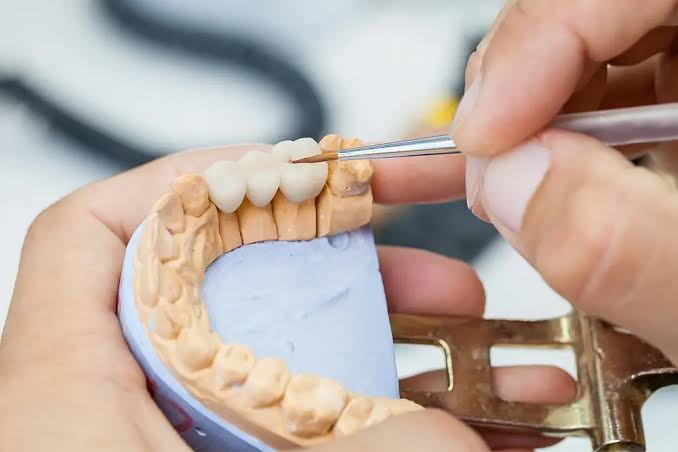
A traditional lab crown is made outside the dental office by a dental laboratory. The dentist prepares your tooth and captures its shape, then sends that information to a skilled technician who builds the crown by hand or with specialized equipment. When it’s ready, you return to have it fitted.
This method has been the standard for decades and remains a dependable choice for many patients and situations.
How the Traditional Process Works
- First visit. The tooth is numbed, prepared, and an impression is taken, either with putty or a digital scan.
- Temporary crown. A temporary is placed to protect the tooth while the permanent crown is made.
- Lab fabrication. The technician creates the crown, which usually takes around two to three weeks.
- Second visit. The temporary is removed, and the final crown is checked, adjusted, and bonded.
Materials Used for Lab Crowns
Labs can work with a wider range of materials, including:
- Zirconia: Very strong and tooth-colored, popular for back teeth.
- E.max (lithium disilicate): Highly translucent, well suited to front teeth.
- Porcelain-fused-to-metal (PFM): Durable, with good aesthetics.
- Gold: Exceptionally long-lasting, often chosen for molars.
That variety is one of the lab method’s biggest strengths, especially for cases that call for a specific material.
CEREC vs. Traditional Crowns at a Glance
| Factor | CEREC (Same-Day) Crown | Traditional Lab Crown |
| Number of visits | Usually one | Usually two |
| Temporary crown | Not needed | Required |
| Impressions | Digital scan | Putty or digital scan |
| Where it’s made | In the dental office | Outside dental lab |
| Typical materials | Ceramic and porcelain-based | Zirconia, e.max, PFM, gold, and more |
| Turnaround | Same day | Typically 2 to 3 weeks |
| Best for | Convenience, most single-tooth cases | Complex cases, specific materials |
Key Differences Explained
The table gives a quick snapshot. Here’s what each difference means in real life.
Convenience and Number of Visits
This is the most obvious difference. A CEREC crown means one appointment, while a lab crown typically means two visits with a temporary in between. For anyone juggling work, school, or family, one visit is a major advantage.
Temporaries can also be a nuisance. They can feel bulky, become sensitive to temperature, or occasionally come loose. Skipping that stage is a big reason patients choose same-day crowns.
Impressions and Patient Comfort
Traditional impressions use trays filled with putty that must set in your mouth, which many people dislike, especially if they have a strong gag reflex. CEREC uses digital impressions in the form of a small scanner that captures the tooth without any putty.
To be fair, many offices now use digital scanners for lab crowns too. So the comfort gap may be smaller than it once was.
Fit and Precision
Both methods can produce an accurate, comfortable fit when done well. CEREC allows the dentist to design, check, and adjust the crown immediately, so any changes happen on the spot. Lab technicians bring craftsmanship and specialized tools to the process, which can be especially valuable for detailed cosmetic work.
In either case, the skill of the dentist and the quality of the preparation matter at least as much as the technology.
Materials and Aesthetics
Here the lab method has the edge in variety. If your dentist recommends gold or a layered porcelain restoration for a highly visible front tooth, a lab is often the right choice. CEREC materials, on the other hand, offer natural-looking results for most everyday situations, and the dentist can personalize shading in the office.
Strength and Durability
Many patients wonder whether CEREC crowns are as good as lab crowns. When the right material is chosen and the crown is placed correctly, both can perform very well. Strength depends far more on the material, the tooth’s condition, and your habits than on where the crown was made.
For heavy-chewing back teeth, your dentist may lean toward a material known for strength, such as zirconia or gold, and will explain why.
How Long Do CEREC Crowns Last?
Crown longevity depends on care, not just technology. Eagle Falls Dentistry notes that crowns typically last 10 to 15 years or more with proper care, and that applies broadly whether a crown is made in-office or in a lab. Good hygiene, regular checkups, and avoiding habits like chewing ice all help protect either type.
Dental Crown Cost
Cost varies by material, complexity, location, and insurance, so a general number won’t be reliable for your situation. Neither type is automatically cheaper, and many insurance plans cover part of crown costs when the treatment is medically necessary.
It’s worth thinking beyond the sticker price. A one-visit crown may reduce time off work, travel, and extra appointments. Ask the office for an itemized estimate and a benefits check before you commit.
CEREC Crown Pros and Cons
Advantages of CEREC Crowns
- Finished in a single visit
- No temporary crown
- No putty impressions
- Immediate adjustments during the appointment
- Natural-looking ceramic materials
- Fewer trips to the office
Potential Drawbacks of CEREC Crowns
- A longer single appointment, often a few hours
- Fewer material options than a lab can offer
- Not ideal for every complex or highly cosmetic case
- Requires an office with the right technology and experience
Advantages of Traditional Lab Crowns
- A wide range of materials, including gold
- Skilled technician craftsmanship for complex cases
- A long track record of success
- Well suited to multi-unit or intricate restorations
Potential Drawbacks of Traditional Lab Crowns
- Two appointments instead of one
- A temporary crown for a few weeks
- Possible issues with the temporary, such as sensitivity or loosening
- Longer overall treatment time
Which Crown Is Right for You?
The best option depends on your tooth and your goals. Neither is universally better.
When CEREC May Be a Great Fit
CEREC is often a strong choice if:
- You want to finish treatment in a single visit
- You’re replacing or protecting one tooth
- The tooth has enough healthy structure for a crown
- You’d like to skip the temporary crown and the putty impressions
- Your dentist recommends a ceramic material for your tooth
Eagle Falls Dentistry offers same-day crowns using in-office CEREC technology and an in-house lab, which helps them match fit and color closely.
When a Lab Crown May Be Better
A traditional crown may be preferable if:
- Your dentist recommends a material not available chairside, such as gold
- The case is complex, involving several teeth or detailed cosmetic goals
- A specific aesthetic result requires layered porcelain
- The restoration needs custom features that a lab handles best
Let Your Dentist Guide the Decision
The right recommendation starts with a proper evaluation. A comprehensive dental exam and X-rays help your dentist see how much healthy tooth remains, how you bite, and whether any other treatment is needed first. For instance, a tooth with a damaged nerve may need a root canal before a crown. In rare cases where a tooth can’t be saved, replacing it with a dental implant may be the best long-term solution, and implants are finished with a crown too.
If you’re dealing with a broken tooth or sudden severe pain, don’t wait. These can be dental emergencies that deserve prompt care.
Caring for Your Crown, Whichever Type You Choose
A crown protects your tooth, but it still needs protecting in return. These habits help any crown last:
- Brush twice daily and floss every day, sliding the floss out sideways around the crown.
- Keep up with professional cleanings. Regular dental cleanings remove plaque that can cause decay at the crown’s edge.
- Avoid hard foods and objects. Ice, hard candy, and pen caps put stress on crowns.
- Protect against grinding. A custom night guard shields your crown if you clench or grind.
- Report changes early. If a crown feels loose, rough, or sensitive, call your dentist promptly.
Frequently Asked Questions
Are CEREC crowns as good as lab crowns?
Both can be excellent when the material is well chosen and the crown is properly placed. The better option depends on your tooth, bite, and cosmetic goals rather than on one method being superior.
How long do CEREC crowns last?
With good care, they often last in the same general range as other crowns, roughly 10 to 15 years or more. Habits, gum health, and regular dental visits make a big difference.
Does a CEREC crown take longer in the chair?
The appointment is longer than a typical first visit for a traditional crown, since the crown is designed, milled, and bonded in one sitting. But you avoid a second visit entirely.
Is a CEREC crown more expensive?
Not necessarily. Cost depends on the material, the case, and your insurance. The office can give you an estimate for your specific situation.
Can CEREC be used for every tooth?
It works for many front and back teeth, but your dentist will confirm whether it’s right for you after an exam.
What happens if my crown falls off?
Keep the crown, avoid chewing on that side, and contact your dentist. It can often be re-cemented or replaced.
Choosing the Crown That Fits Your Life
CEREC crowns and traditional lab crowns both restore damaged teeth with strength and a natural look. CEREC offers speed and convenience, with a single visit and no temporary. Lab crowns offer a broader menu of materials and exceptional craftsmanship for complex cases. The right choice isn’t about which technology sounds more impressive. It’s about what your tooth needs.
The best way to decide is to talk with a dentist you trust. If you’re weighing your options, the team at Eagle Falls Dentistry can examine your tooth, explain what each approach offers, and recommend the best path. Explore their dental crowns in Bloomingdale or contact the office to schedule a consultation. A damaged tooth doesn’t have to mean a complicated process, and with the right plan, you can get back to smiling with confidence.