
Introduction
Industrial facilities require reliable lifting equipment to handle heavy components, machinery, and materials safely. A hydraulic floor crane is a practical solution for lifting and positioning heavy loads in factories, engineering workshops, warehouses, automobile service centres, and manufacturing units. Its hydraulic lifting mechanism helps reduce manual effort and supports efficient material handling operations.
Choosing the right lifting equipment can improve workplace productivity, simplify maintenance activities, and support safer working conditions. Understanding the features, benefits, applications, and selection criteria of floor cranes helps businesses make informed purchasing decisions.
What Is a Hydraulic Floor Crane?
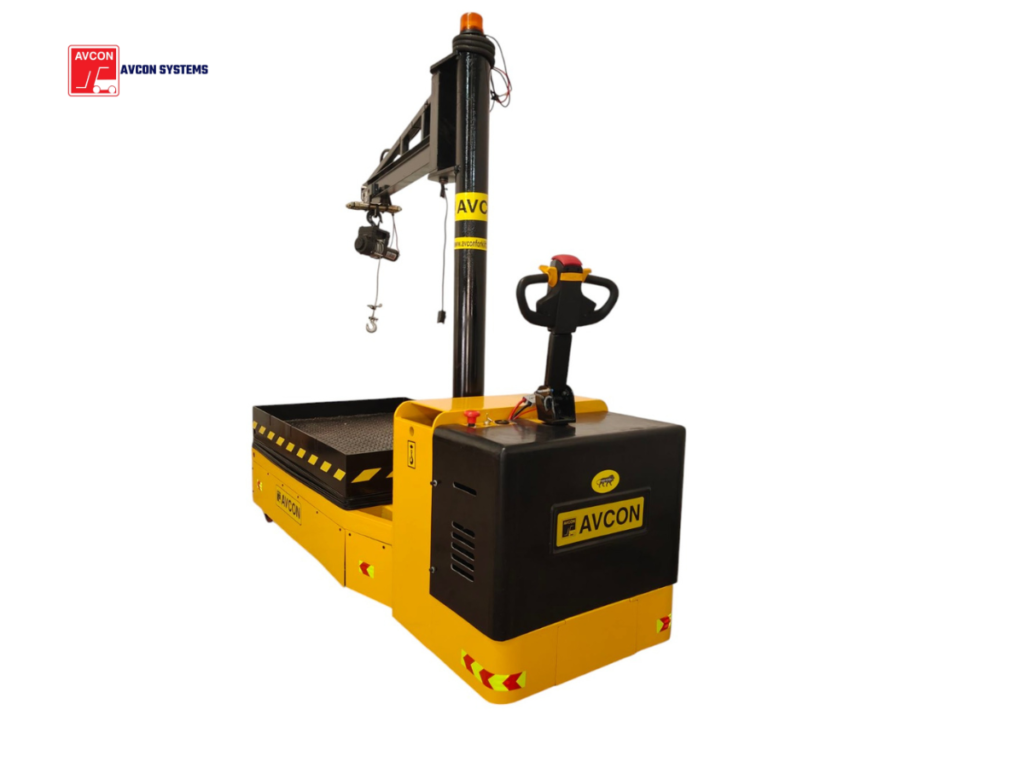
A hydraulic floor crane is a lifting machine that uses hydraulic pressure to raise and lower heavy loads. It typically consists of a sturdy frame, hydraulic cylinder, lifting boom, hook, wheels, and a hydraulic pumping mechanism.
The crane can be positioned near the load, allowing operators to lift machinery and components for maintenance, installation, repair, or movement. Depending on the model, it may offer different load capacities, boom reaches, and lifting heights to suit specific industrial requirements.
Its compact design makes it suitable for applications where permanent overhead lifting systems may not be practical.
How Does a Hydraulic Floor Crane Work?
The equipment operates using hydraulic pressure. When the operator activates the hydraulic pump, hydraulic fluid generates pressure inside the cylinder. This pressure extends the cylinder and raises the boom, lifting the attached load.
To lower the load, the hydraulic system releases pressure in a controlled manner. This allows the operator to position the component at the required height.
Correct operation is essential for reliable performance. The crane must be used according to the manufacturer’s instructions, and its rated capacity must never be exceeded.
Key Features of Hydraulic Floor Cranes
1. Hydraulic Lifting Mechanism
The hydraulic system provides the force needed to lift heavy components with reduced manual effort. It supports controlled lifting and lowering during industrial operations.
2. Strong Structural Design
A robust frame and properly designed boom help support the intended load. The crane’s construction should be suitable for its rated capacity and working environment.
3. Compact Construction
Many floor cranes are designed to operate in workshops, maintenance departments, and production areas where space is limited.
4. Mobility and Flexibility
Models equipped with suitable wheels or casters can be moved between workstations, provided the floor conditions and operating instructions permit safe movement.
5. Different Capacity Options
Businesses can select equipment according to the weight of their loads, required lifting height, boom reach, and frequency of use.
Applications Across Industries
Hydraulic lifting equipment is used in a wide range of industrial environments. Common applications include:
- Manufacturing plants: Lifting machine parts and heavy production components.
- Automobile workshops: Handling engines, motors, and other vehicle components.
- Engineering units: Positioning metal parts, tools, and machinery.
- Warehouses: Supporting selected heavy-load handling activities.
- Maintenance departments: Removing and replacing machine components.
- Fabrication facilities: Positioning heavy materials during assembly.
- Equipment installation: Assisting with the placement of machinery and industrial components.
For example, when a motor requires repair, a suitable crane can help lift it from its mounting position and place it in a designated maintenance area. This reduces reliance on manual lifting and helps technicians handle the component more efficiently.
Benefits of Using a Hydraulic Floor Crane
Improved Workplace Safety
Handling heavy components manually can increase the risk of strains, dropped loads, and other workplace injuries. Appropriate lifting equipment can reduce manual handling risks when operated by trained personnel.
Reduced Physical Effort
The hydraulic mechanism provides mechanical assistance, allowing workers to lift loads without relying entirely on physical strength.
Increased Operational Efficiency
Efficient lifting and positioning can simplify machinery maintenance, component replacement, and assembly activities. This may reduce unnecessary delays during industrial operations.
Flexible Use
A suitable mobile crane can serve different workstations and lifting tasks, making it useful for businesses with changing operational requirements.
Efficient Space Utilisation
Compact floor crane designs can be suitable for workshops and maintenance areas where installing a permanent overhead crane would be difficult or expensive.
Versatile Lifting Support
Depending on its specifications, the equipment can support multiple applications involving machinery, motors, pumps, tools, and other heavy components.
How to Choose the Right Equipment
Selecting the correct crane requires an assessment of the application and operating environment.
Load Capacity
Identify the maximum load weight and choose equipment with an appropriate rated capacity. Remember that the permitted lifting capacity may vary with boom extension or configuration.
Lifting Height
Check the maximum height required for the intended task. The equipment should provide adequate clearance for lifting and positioning components.
Boom Reach
Boom reach determines how far the crane can extend towards a load. Select a configuration that provides suitable access without compromising the crane’s rated capacity or stability.
Working Space
Consider aisle width, floor conditions, turning space, and the dimensions of the equipment. The operating area should support safe positioning and movement.
Mobility Requirements
If the crane needs to be used in multiple locations, evaluate its wheel arrangement, overall dimensions, and manoeuvrability.
Safety and Maintenance
Review the manufacturer’s specifications, operating instructions, inspection requirements, and available after-sales support before purchasing.
Maintenance and Safety Guidelines
Regular inspection helps maintain reliable operation and identify potential problems before they become serious.
Important maintenance practices include:
- Inspect the frame, boom, hook, and load-bearing components for damage.
- Check hydraulic hoses, connections, and cylinders for leakage.
- Maintain hydraulic fluid according to the manufacturer’s instructions.
- Examine wheels and casters for wear and damage.
- Follow the recommended inspection and maintenance schedule.
- Remove damaged equipment from service until it has been assessed and repaired.
Operators should receive appropriate training and understand the crane’s operating limits. Loads must be secured correctly, and personnel should remain clear of suspended loads. Never exceed the rated capacity or move a suspended load unless the equipment is specifically designed and approved for that operation.
Why Choose a Reliable Material Handling Equipment Manufacturer?
Choosing a dependable manufacturer or supplier is important when investing in industrial lifting equipment. Businesses should evaluate manufacturing quality, technical specifications, product suitability, maintenance support, and the availability of relevant documentation.
An experienced supplier can help assess load requirements, lifting height, boom reach, workspace limitations, and the intended frequency of use. This guidance can help businesses identify a suitable configuration instead of purchasing equipment based only on price.
Companies should also confirm that the selected equipment meets the applicable safety requirements for its intended use.
Conclusion
A hydraulic floor crane is a practical lifting solution for manufacturing plants, engineering workshops, automobile facilities, warehouses, and maintenance departments. Its hydraulic mechanism, compact design, and potential mobility make it suitable for a variety of heavy-load handling applications.
Before purchasing, businesses should assess load capacity, lifting height, boom reach, workspace, safety features, and maintenance requirements. With the right equipment and proper operating procedures, organisations can improve material handling efficiency, reduce unnecessary manual effort, and support safer industrial operations.