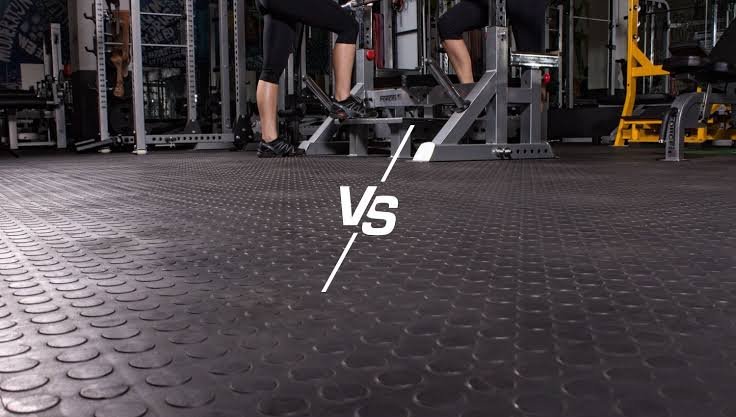

Converting a standard domestic garage into a functional workshop, fitness hub, or organized storage space requires addressing the limitations of bare concrete subfloors. Cold ground temperatures, persistent concrete dust, oil stains, and moisture penetration make unsealed concrete unpleasant and impractical for regular daily use. Furthermore, dropping heavy tools or workout equipment onto raw concrete frequently chips the floor and damages expensive gear.
Installing durable rubber matting for garage floor spaces provides a heavy-duty, protective surface layer engineered to isolate dampness, absorb heavy impacts, and simplify daily maintenance.
Overcoming Concrete Subfloor Weaknesses
Concrete slabs are inherently porous and susceptible to surface abrasion. Vehicle tyres, rolling tool cabinets, and foot traffic loosen fine cement dust that settles continuously over vehicles, workbench equipment, and storage containers.
Uninsulated concrete also acts as a thermal bridge, conducting damp ground chill directly into the room during colder UK months. Covering the base subfloor with high-density vulcanized rubber seals away concrete dust, adds thermal insulation, and cushions heavy point loads. Property owners and tradespeople seeking reliable floor protection often rely on established specialists such as Rubber Fit Floors to source heavy-duty rolls and interlocking tiles engineered for vehicle traffic.
Key Benefits of Rubber Protection in Garages
Laying dense rubber mats over garage subfloors yields immediate practical benefits across various room uses:
-
Dust Containment and Thermal Barrier: Prevents microscopic concrete dust from circulating while insulating against cold ground temperatures.
-
Impact and Tool Protection: Cushions drops from heavy wrenches, jacks, or dumbbells, protecting both the item and the underlying subfloor.
-
Oil and Chemical Resistance: High-density rubber resists vehicle fluid spills, grease, and road salt brought in during rainy seasons.
-
Anti-Slip Safety: Raised coin, checker, or diamond surface textures maintain reliable foot traction even when wet shoes or dripping vehicles wet the area.
Evaluating Garage Flooring Formats
Selecting the best rubber format depends on vehicle weight, room layout, and whether you prefer seamless coverage or modular installation.
| Format Type | Thickness Range | Best Application | Installation Method |
| Roll-Out Rubber Matting | 3mm to 6mm | Full garage coverage, parking bays, utility rooms | Unroll, trim perimeter, lay loose or tape |
| Interlocking Rubber Tiles | 8mm to 20mm | Home gyms, heavy workshops, multi-zone bays | Interlock edges, loose-lay without adhesive |
| Heavy-Duty Section Mats | 10mm to 18mm | Specific workbench stations, vehicle drip zones | Lay directly over target area |
Simple Four-Step Installation Process
Laying protective rubber garage flooring is a straightforward DIY project that can be completed without specialized machinery.
-
Subfloor Sweep: Clear the floor entirely, sweeping and vacuuming away loose dirt, gravel, and dried oil deposits.
-
Acclimatize the Material: Unroll or lay out the rubber mats inside the garage for 24 hours to let the rubber adapt to ambient temperatures and flatten out.
-
Precision Trimming: Position the mats starting from the vehicle entrance door, trimming perimeter edges with a sharp utility knife while leaving a 5mm expansion gap along walls.
-
Secure Entrance Edges: Apply heavy-duty double-sided floor tape along the garage threshold to keep leading edges flush as cars roll over.
Ongoing Care and Cleaning
Maintaining rubber garage matting requires minimal effort. Regular sweeping or vacuuming removes loose dirt and grit tracked in by tyres. For periodic deep cleaning, mop the surface with warm water and a neutral detergent to cut through road grime and grease. Avoid using petroleum-derived solvent cleaners that can degrade soft rubber compounds over extended periods.
Frequently Asked Questions
Can I park heavy vehicles directly on rubber garage mats?
Yes. High-density rubber mats are specifically engineered to withstand heavy car, SUV, and van wheel loads without permanently crushing or deforming.
Will hot car tyres lift or damage rubber matting?
Unlike garage floor paint, heavy-duty vulcanized rubber mats do not suffer from hot-tyre pickup and will not peel or stick to warm tyres.
How do I clean vehicle oil leaks off rubber mats?
Wipe up fresh oil spills promptly with paper towels, then scrub the area using warm water and a grease-cutting dish detergent before rinsing dry.
Is adhesive necessary when installing roll-out garage mats?
In most residential applications, heavy-duty rubber rolls lay flat under their own weight and do not require full-spread adhesive, though floor tape along thresholds helps secure leading edges.
Does rubber garage matting stop concrete dusting?
Yes. By covering the concrete slab completely, rubber mats prevent surface friction, eliminating concrete dusting entirely.