

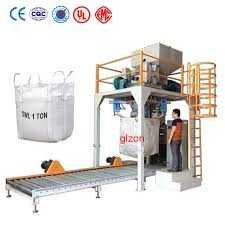

In today’s industrial environment, businesses handling large volumes of bulk materials need packaging systems that are fast, accurate, and reliable. Whether working with powders, granules, pellets, minerals, chemicals, fertilizers, or food ingredients, efficient packaging directly impacts productivity and profitability. A bulk bag packing machine is specifically designed to automate the filling and packaging of Flexible Intermediate Bulk Containers (FIBCs), commonly known as jumbo bags or bulk bags. At Bagging Machine, we provide advanced packaging solutions that help manufacturers improve operational efficiency while maintaining consistent product quality. A modern bulk bag packing machine reduces manual labor, minimizes material waste, and ensures accurate filling for every bag.
What Is a Bulk Bag Packing Machine?
A bulk bag packing machine is an industrial packaging system designed to fill large-capacity bags with dry bulk materials. These machines typically handle bags ranging from 500kg to 2000kg, with 1000kg being one of the most commonly used capacities. The system combines automated weighing, material feeding, filling, dust control, and bag handling into a single efficient process. It enables manufacturers to package products quickly while maintaining precise weight accuracy.
Why Is a Bulk Bag Packing Machine Important?
As industries expand, manual packaging becomes inefficient and expensive. Investing in a bulk bag packing machine provides numerous advantages that improve both production and profitability.
Faster Packaging Operations
Automatic filling systems significantly increase packaging speed compared to manual methods. Manufacturers can process more bags in less time, helping them meet production targets and customer demands.
Accurate Weighing
Integrated load cells provide precise weight measurements, ensuring each bulk bag is filled according to the required specifications. Accurate filling reduces costly product giveaway and improves inventory management.
Reduced Labor Costs
Manual filling requires several operators and increases labor expenses. Automated bag packing machines reduce workforce requirements while improving overall efficiency.
Improved Workplace Safety
Handling heavy bulk bags manually can lead to workplace injuries. Automated bagging systems reduce lifting, repetitive movements, and operator fatigue, creating a safer working environment.
Consistent Packaging Quality
Every bag receives the same amount of material, resulting in uniform product presentation and improved customer satisfaction.
Lower Material Waste
Controlled filling systems and integrated dust collection technology minimize spills and airborne dust, reducing product loss during packaging.
How Does a Bulk Bag Packing Machine Work?
The operation follows a streamlined automated process.
Material Storage
Bulk materials are stored in silos, hoppers, or storage bins before entering the packaging system.
Material Feeding
Conveyors, screw feeders, belt conveyors, or pneumatic systems transport the material to the weighing unit.
Automatic Weighing
High-precision weighing systems continuously monitor the product until the target weight is reached.
Bulk Bag Filling
The material flows into the jumbo bag through a controlled filling spout that ensures smooth product flow and minimizes dust generation.
Bag Stabilization
Many machines include vibration or compaction systems that evenly distribute material throughout the bag for improved stability.
Bag Release
After filling is complete, the machine automatically releases the bag for transportation using forklifts or conveyor systems.
Main Components of a Bulk Bag Packing Machine
A complete bulk bag packing system generally includes:
- Bulk storage hopper
- Material feeding system
- Automatic weighing unit
- Filling nozzle
- Jumbo bag support frame
- Dust collection system
- PLC touchscreen control panel
- Heavy-duty conveyor
- Safety guards
- Optional palletizing system
These components work together to deliver reliable and accurate packaging performance.
Industries That Use Bulk Bag Packing Machines
Agriculture
Packaging fertilizers, seeds, grains, and animal feed into jumbo bags.
Chemical Manufacturing
Handling industrial chemicals, pigments, additives, and powdered materials safely.
Mining and Minerals
Packaging ores, sand, limestone, aggregates, and processed minerals.
Food Processing
Filling flour, sugar, rice, starch, salt, and other food-grade products while maintaining hygiene standards.
Construction Materials
Packaging cement, lime, gypsum, dry mortar, and other building materials.
Plastics Industry
Packing plastic pellets, polymer granules, and recycled plastic materials.
Recycling Industry
Handling recycled powders, industrial waste, and reusable materials for transportation.
Key Benefits of a Bulk Bag Packing Machine
High Productivity
Automated systems package more bags per hour than manual methods, improving production output.
Reliable Weight Accuracy
Advanced load cells ensure every bag meets strict weight requirements.
Flexible Material Handling
The machine can package various free-flowing and difficult-flowing bulk materials.
Easy Operation
Modern PLC touchscreen controls make setup and operation simple for operators.
Low Maintenance
Durable industrial components reduce maintenance needs and improve machine lifespan.
Energy Efficiency
Efficient motors and optimized control systems reduce electricity consumption.
Cleaner Working Environment
Dust extraction systems improve workplace cleanliness and support regulatory compliance.
Future Scalability
Bulk bag packing machines can integrate with conveyors, robotic palletizers, and warehouse automation systems as production grows.
Features of Modern Bulk Bag Packing Machines
Today’s advanced machines include intelligent automation features such as:
- PLC touchscreen interface
- Automatic weight correction
- Adjustable filling speed
- Multi-stage filling control
- Dust-free filling technology
- Production data recording
- Remote monitoring
- Automatic fault detection
- Emergency stop systems
- Energy-saving operation
These features increase production efficiency while reducing operational costs.
Factors to Consider Before Buying
Choosing the right bulk bag packing machine requires careful evaluation.
Material Characteristics
Different materials require specific feeding systems depending on particle size, density, and flow properties.
Production Capacity
Select equipment capable of meeting both current production levels and future expansion.
Filling Precision
Invest in machines equipped with high-quality weighing systems for maximum accuracy.
Available Space
Ensure sufficient installation space for conveyors, palletizers, and maintenance access.
Automation Requirements
Choose between semi-automatic and fully automatic systems based on operational needs.
Service and Support
Reliable technical support and spare parts availability help minimize downtime.
Maintenance Tips
Routine maintenance keeps the equipment operating efficiently.
- Clean the filling spout daily.
- Inspect load cells regularly.
- Lubricate moving components according to the maintenance schedule.
- Check conveyor belts for wear.
- Replace damaged seals immediately.
- Test emergency safety devices frequently.
- Calibrate weighing systems periodically.
- Keep electrical panels clean and dry.
Preventive maintenance extends equipment life and ensures consistent packaging performance.
Future Trends in Bulk Bag Packaging
Industrial packaging technology continues to advance with smarter automation solutions.
Future innovations include:
- Artificial intelligence for production optimization
- Predictive maintenance systems
- Smart IoT monitoring
- Cloud-based production management
- Robotic bag handling
- Automated quality inspection
- Energy-efficient drive technology
- Real-time production analytics
These advancements will further improve productivity, reliability, and packaging accuracy.
Conclusion
A bulk bag packing machine is an essential investment for manufacturers handling high volumes of bulk materials. It improves packaging speed, weighing accuracy, workplace safety, and overall operational efficiency while reducing labor costs and material waste. Whether your business operates in agriculture, chemicals, mining, food processing, plastics, or construction, implementing a modern bulk bag packing machine helps streamline operations and supports long-term business growth. Investing in advanced packaging automation ensures consistent quality, increased productivity, and a competitive advantage in today’s industrial marketplace.
Frequently Asked Questions
1. What materials can a bulk bag packing machine handle?
It can package powders, granules, pellets, flakes, fertilizers, chemicals, minerals, cement, food ingredients, plastic resins, and recycled materials.
2. What bag sizes are supported?
Most machines support FIBC bags ranging from 500kg to 2000kg, with 1000kg being the standard size.
3. Can a bulk bag packing machine be integrated into a complete production line?
Yes. It integrates easily with conveyors, palletizers, stretch wrappers, and automated warehouse systems.
4. How accurate are modern bulk bag packing machines?
Most advanced systems achieve a filling accuracy of approximately ±0.2% to ±0.5%, depending on the material and configuration.
5. Why should businesses invest in a bulk bag packing machine?
It improves production speed, reduces labor costs, enhances workplace safety, minimizes product waste, and delivers consistent, high-quality packaging.