

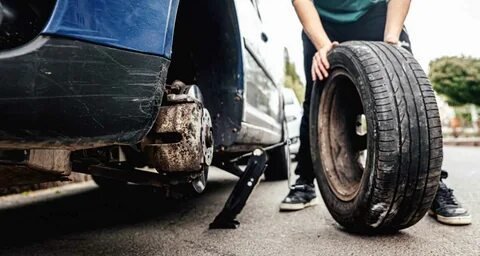

Seasonal tire changes help your vehicle stay safe, efficient, and reliable throughout Canada’s changing weather conditions. Winter and summer tires are designed with different rubber compounds and tread patterns that perform best within specific temperature ranges. Using the right tires at the right time improves traction, braking, steering response, and overall vehicle control. Regular seasonal tire changes also reduce unnecessary tire wear, improve fuel efficiency, and help drivers avoid costly repairs caused by poor road grip or uneven tread damage.
Why Seasonal Tire Changes Matter
Many drivers believe one set of tires can handle every season, but Canadian weather often proves otherwise. I realized this after driving through an early snowfall with all season tires that struggled to maintain traction. During a visit to an auto shop in Calgary, a technician explained how seasonal tire changes improve safety by giving each tire the conditions it was designed for. That conversation completely changed how I prepare my vehicle for every season.
Since then, changing my tires before winter and again in spring has become part of my yearly maintenance routine. The difference in handling, braking, and overall confidence behind the wheel is easy to notice.
Understanding Seasonal Tires
Seasonal tires are built for different driving conditions. Winter tires remain flexible in freezing temperatures, while summer tires provide excellent grip during warm weather. All season tires offer balanced performance but cannot fully match the advantages of dedicated seasonal tires in extreme conditions.
Choosing the correct tire helps improve stability and allows your vehicle to respond more effectively during braking and cornering. This becomes especially important when road conditions change quickly.
Winter Tires vs Summer Tires
Winter tires use a softer rubber compound that stays flexible below 7 degrees Celsius. Their deeper tread and extra siping improve traction on snow, slush, and ice. Summer tires use a firmer compound designed to provide better handling and braking on warm, dry, and wet roads.
Using each tire during its intended season allows it to perform at its highest level while reducing unnecessary wear.
Better Traction During Winter
Canadian winters create some of the most demanding driving conditions in the world. Snow covered roads, freezing rain, and black ice reduce available traction and increase stopping distances. Winter tires provide extra grip that helps maintain control in these challenging situations.
I noticed a major improvement after installing winter tires before one particularly snowy season. The vehicle accelerated more confidently, stopped more smoothly, and felt much more stable during highway driving.
Improved Braking Performance
The right seasonal tire can significantly reduce braking distances. Winter tires grip cold pavement more effectively than summer or worn all season tires, while summer tires provide stronger braking during warm weather.
Better braking performance improves driver confidence and reduces the risk of collisions during emergency stops. This benefit alone makes seasonal tire changes worthwhile for many Canadian drivers.
Longer Tire Life
Using the correct tires during each season reduces unnecessary wear. Winter tires wear quickly when driven in hot weather because their softer rubber compound is designed for colder temperatures. Summer tires also wear faster when exposed to freezing conditions.
Alternating between two tire sets spreads the total driving distance across both, allowing each set to last much longer than if one set were used year round.
Improved Fuel Efficiency
Proper seasonal tires reduce rolling resistance under the conditions they were designed for. This allows the vehicle to move more efficiently while placing less strain on the engine. Although fuel savings vary, many drivers notice improved efficiency after installing the correct seasonal tires.
Even small improvements in fuel economy become meaningful over months of regular driving. Better tire performance also contributes to smoother overall vehicle operation.
Better Handling and Steering Control
Steering response changes depending on road temperature and tire design. Summer tires provide sharp handling on warm pavement, while winter tires maintain flexibility that improves steering on cold roads.
The difference becomes especially noticeable during lane changes, cornering, and highway driving. Better steering response allows drivers to react more confidently when road conditions become unpredictable.
Signs It’s Time to Change Your Tires
Recognizing the right time to switch tires helps maximize safety and tire performance.
- Temperatures remain below 7 degrees Celsius: Winter tires provide better traction in consistently cold weather.
- Spring temperatures stay above 7 degrees Celsius: Summer tires perform better as the weather becomes warmer.
- Uneven tread wear appears: Tire condition should be checked before every seasonal change.
- Reduced traction on wet or snowy roads: Worn tires may no longer provide enough grip.
- Longer stopping distances: Seasonal tire changes help restore braking performance.
- Visible cracks or damage: Inspect tires carefully before installing them each season.
- Low tread depth: Replace tires that no longer meet safe tread requirements.
- Vibration while driving: Tire balancing or inspection may be necessary.
- Loss of steering response: Poor tire condition affects handling.
- Preparing for seasonal travel: Install the correct tires before long trips.
Changing tires before weather conditions become severe helps maintain vehicle safety throughout the season.
Seasonal Tire Comparison
| Feature | Winter Tires | Summer Tires |
| Best Temperature | Below 7°C | Above 7°C |
| Snow Traction | Excellent | Poor |
| Wet Road Performance | Very Good | Excellent |
| Dry Road Handling | Good | Excellent |
| Cold Weather Flexibility | Excellent | Limited |
| Warm Weather Wear | Faster | Normal |
Seasonal Tire Changes Protect Other Components
Changing tires at the appropriate time also benefits other vehicle systems. Proper traction reduces stress on the braking system, suspension, and steering components because the tires maintain better contact with the road.
During one seasonal maintenance appointment at Heritage AutoPro and Tire, a technician pointed out that my winter tires were beginning to wear unevenly because they had remained on the vehicle too long into the warmer months. Replacing them with summer tires at the proper time helped preserve both tire life and vehicle handling.
That experience showed me that seasonal tire changes protect much more than the tires themselves.
Make Tire Changes Part of Your Maintenance Routine
Planning tire changes before each season makes the process much easier. Many drivers schedule tire installation alongside oil changes or seasonal inspections to save time and ensure the vehicle is fully prepared for changing weather.
It is also a good opportunity to inspect tread depth, check tire pressure, perform wheel balancing, and examine the braking system. Combining these services helps improve overall vehicle reliability throughout the year.
Conclusion
Seasonal tire changes are one of the most effective ways to improve vehicle safety, handling, braking performance, and fuel efficiency in Canada’s changing climate. Winter tires provide the traction needed for snow and ice, while summer tires deliver better control on warm roads. Using each tire during its intended season extends tire life, reduces unnecessary wear, and supports better overall vehicle performance. By planning seasonal tire changes as part of your regular maintenance schedule, you can drive with greater confidence, protect your investment, and enjoy safer journeys throughout every season.