
Choosing suitable signage is an important decision for any business. A well designed sign helps customers recognize your location, understand your services, and develop confidence in your brand. However, selecting the right display requires more than choosing attractive colors or lettering. Business owners must consider their location, audience, building design, materials, and visibility requirements. Working with professionals offering Professional Signage Services Ajman can make this process easier. Modern sign and display ajman solutions provide different options for retail shops, offices, restaurants, and commercial buildings, helping businesses create a recognizable and welcoming appearance.
Understand Your Business Signage Requirements
Before selecting a signboard, identify what you want the display to achieve. A retail shop may need an eye catching storefront sign, while a corporate office might require elegant reception lettering and directional displays.
Understanding your objectives prevents unnecessary expenses and helps you select signage that supports your business identity.
Identify Your Target Audience
Think about the people who visit your business. A restaurant serving families may prefer welcoming graphics and illuminated lettering, whereas a corporate consultancy might choose minimal designs and sophisticated materials.
Your signage should communicate with your intended audience through appropriate colors, typography, and visual elements.
Consider Your Business Location
Location directly influences signage requirements. A shop inside a shopping centre may need compact displays, while a storefront facing a busy road requires clear lettering that can be recognized from a greater distance.
Businesses in Ajman should also consider surrounding buildings, available installation space, visibility, and applicable signage permissions.
Choose the Right Type of Commercial Signage
Different sign formats serve different purposes. Selecting the appropriate option depends on where the display will be installed and how customers will interact with it.
Outdoor Signage for Business Visibility
Outdoor signage introduces your business to people passing nearby. Storefront boards, building signs, illuminated displays, and advertising panels are commonly used to attract attention.
Choose readable lettering, suitable dimensions, and materials designed for outdoor conditions. The design should remain recognizable without making the storefront appear overcrowded.
Indoor Signage for Customer Convenience
Indoor displays improve communication throughout commercial spaces. Reception signs, wall graphics, directional boards, and department identification signs help visitors navigate buildings comfortably.
For example, a professional office can use matching reception lettering and room identification displays to create a consistent environment.
3D and Illuminated Signage
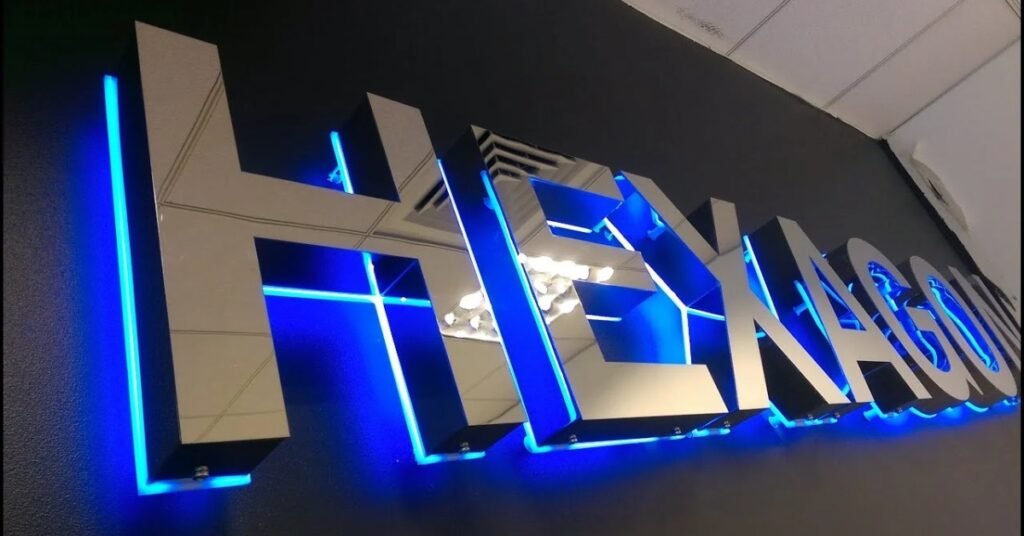
Three dimensional lettering gives business names depth and a distinctive appearance. Acrylic, stainless steel, and aluminium are common material choices.
Illuminated signage adds visibility during evening hours. LED lighting can highlight logos and lettering while supporting different creative designs.
Select Suitable Signage Materials and Finishes
Material selection influences the appearance, durability, and maintenance requirements of a signboard. The right material should complement your brand and suit the installation environment.
Acrylic Signboards
Acrylic offers a smooth surface and contemporary appearance. It is suitable for reception displays, retail signage, dimensional lettering, and illuminated applications.
Different colors and finishes allow businesses to coordinate signs with their existing brand identity.
Aluminium and Stainless Steel Signs
Aluminium is lightweight and versatile, making it suitable for several commercial signage applications. Stainless steel provides a premium metallic appearance often selected for corporate branding and building entrances.
Both options can be designed in different shapes and lettering styles.
Consider Local Weather Conditions
Outdoor displays in the UAE may experience strong sunlight, dust, humidity, and high temperatures. Therefore, businesses should discuss material suitability, protective finishes, mounting systems, and electrical components before production.
Choosing appropriate materials helps maintain the appearance of signage over time.
Focus on Design, Readability, and Brand Consistency
An attractive sign is only effective when customers can understand it quickly. Complicated layouts, excessive colors, and decorative fonts can make important information difficult to read.
Use Clear Typography
Select fonts that remain readable from the intended viewing distance. Business names should be prominent, while supporting information should be smaller but still easy to understand.
Avoid combining too many font styles within one display.
Maintain Consistent Brand Colors
Your signage should match the colors and visual identity used across your website, business cards, promotional materials, and other branding assets.
Consistency helps customers associate different displays with the same company.
Plan the Placement Carefully
Even a professionally manufactured sign may perform poorly if installed in an unsuitable position.
Consider visibility from entrances, nearby roads, pedestrian pathways, and customer waiting areas. Avoid locations where trees, architectural features, or other displays block important information.
Businesses investing in sign and display ajman solutions should evaluate both design quality and practical placement before approving production.
Set a Budget and Choose the Right Signage Provider
Commercial signage costs depend on several factors, including dimensions, materials, lighting, design complexity, fabrication, and installation requirements.
Rather than selecting an option based entirely on price, consider its expected performance and suitability for your business.
Compare Available Options
Request quotations that clearly explain the materials, dimensions, lighting specifications, and installation arrangements.
Comparing similar specifications makes it easier to understand differences between proposals.
Review Previous Signage Projects
Look at completed storefronts, office displays, reception signs, and illuminated installations. Previous work can help you evaluate design quality and practical experience.
Confirm Installation Requirements
Before production, discuss building access, electrical connections, mounting arrangements, and applicable permissions.
Clear communication between the business owner and signage provider helps prevent misunderstandings and unnecessary project changes.
Frequently Asked Questions
1. How do I choose the right signage for my shop?
Consider your storefront size, target audience, branding, viewing distance, and budget. Select readable designs and suitable materials that complement your business identity while helping customers recognize your shop easily.
2. Which signage is best for commercial buildings?
Commercial buildings commonly use building identification signs, reception displays, directional boards, and illuminated lettering. The ideal combination depends on architectural design, visitor requirements, business activities, and the overall branding strategy.
3. Are illuminated signs suitable for small businesses?
Yes, illuminated signs can help small businesses improve visibility during evening hours. Compact LED displays and illuminated lettering offer attractive branding opportunities without requiring excessively large storefront installations or complicated designs.
4. What materials are suitable for outdoor business signs?
Aluminium, stainless steel, acrylic, and suitable composite materials can be considered for outdoor signs. Selection should account for sunlight exposure, humidity, temperature changes, installation conditions, and expected maintenance requirements.
5. How much should businesses budget for signage?
Signage budgets depend on dimensions, material selection, lighting, design complexity, fabrication, and installation. Businesses should compare detailed quotations and prioritize suitable quality, visibility, and long term value when selecting displays.
Conclusion
Choosing the right signage requires careful consideration of branding, location, materials, design, and customer requirements. A suitable combination of outdoor signboards, indoor displays, illuminated lettering, and directional signs can make a commercial space more recognizable and professional.
Businesses exploring sign and display ajman solutions should focus on clear communication, durable materials, and consistent branding rather than appearance alone. For professional signage and commercial branding requirements, Ajwaa Sign provides solutions designed to help businesses create attractive displays and strengthen their market presence. Contact the team today to discuss your project and find signage that represents your business effectively.