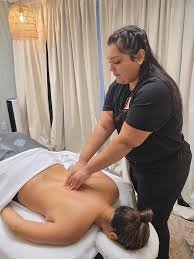

Long hours at a desk, weekend hikes in Sonoma County, and everyday stress can leave muscles tight and tired. If you have been searching for deep tissue massage Santa Rosa residents trust, it helps to know what the treatment actually involves before you book. A skilled therapist offering focused, therapeutic bodywork for stubborn tension can make the session far more productive. This guide explains how deep tissue massage works, who benefits most, and how to get the best results from your visit.
What Is Deep Tissue Massage?
Deep tissue massage is a therapeutic technique that targets the deeper layers of muscle and the connective tissue around them, known as fascia. Instead of the long, gentle strokes used in a relaxation massage, the therapist applies slower, firmer pressure to areas where muscles have become tight or restricted.
Many people searching for deep tissue massage in Santa Rosa, CA assume the treatment must be painful. In reality, it should feel intense but manageable. A good therapist works with your breathing, checks in often, and adjusts pressure so your body can release tension instead of tightening against it.
How the Technique Works
The therapist uses specific methods to reach tight areas gradually:
- Slow, deep strokes: These move along the muscle fibers to warm the tissue and prepare it for deeper work.
- Friction: Pressure applied across the grain of the muscle helps loosen adhesions, often called knots.
- Trigger point work: Sustained pressure on a tender spot can ease the tightness that spreads pain to nearby areas.
- Stretching and mobilization: Gentle movements help restore range of motion once the muscle is more pliable.
Because the pressure is firmer, the therapist moves slowly and focuses on one area at a time, which is why sessions often concentrate on the neck, shoulders, lower back, or legs instead of the whole body.
Who Can Benefit?
Deep tissue massage in Santa Rosa, CA suits a wide range of people. Common examples include:
- Office workers with tight shoulders, neck stiffness, or lower back strain
- Runners, cyclists, and gym-goers dealing with overworked muscles
- Hikers and gardeners who feel sore after a long weekend outdoors
- Anyone carrying stress in the upper back and jaw
- People with repetitive movement habits, such as drivers and tradespeople
Massage is generally considered a supportive wellness practice rather than a medical treatment. If you have a medical condition, are pregnant, take blood thinners, or have recently had an injury or surgery, speak with your doctor and tell your therapist before the session.
What Happens During Your First Session
Knowing the flow of the appointment makes it easier to relax:
- Consultation: You describe sore areas, past injuries, and your pressure preference. Honest answers help the therapist plan the session.
- Positioning: You lie on a padded table, covered with sheets, and only the area being treated is uncovered at any time.
- The massage: The therapist warms the muscles first, then gradually works deeper. Speak up if the pressure feels too strong or too light.
- Finishing: Lighter strokes and gentle stretches help your body settle before you get up slowly.
Most sessions last between 60 and 90 minutes, depending on how many areas you want to address.
Preparing for Your Appointment
A little preparation helps you get more from deep tissue massage in Santa Rosa, CA:
- Drink water in the hours before your visit so your muscles feel less tight.
- Eat a light meal rather than arriving hungry or overly full.
- Arrive a few minutes early to fill out forms without rushing.
- Wear comfortable clothing that is easy to change out of.
- Share any pain, health concerns, or sensitivities with your therapist before you begin.
Aftercare Tips
It is normal to feel mild tenderness for a day or so, similar to the feeling after a good workout. To support your body afterward:
- Drink plenty of water and avoid heavy exercise for the rest of the day.
- Use a warm bath or heating pad to keep muscles relaxed.
- Gently stretch the areas that were treated.
- Get enough sleep so your body can recover.
If you notice sharp pain, swelling, or discomfort that does not ease within a couple of days, contact your therapist or healthcare provider.
How Often Should You Go?
There is no single schedule that fits everyone. Someone recovering from a particularly tense period may benefit from a few sessions close together, while others prefer a monthly visit to keep tension from building up again. Your therapist can suggest a rhythm based on your lifestyle, activity level, and how your body responds.
Choosing the Right Therapist
Look for a licensed, experienced professional who listens carefully and explains what they are doing. A clean, calm studio, clear communication about pricing, and willingness to adjust pressure are all good signs. Reading recent client reviews can also show how a practice handles comfort and consistency.
Final Thoughts
Deep tissue massage Santa Rosa visitors recommend is not about enduring pain; it is about steady, skilled work that helps tight muscles let go. With the right preparation, honest communication, and sensible aftercare, each session can leave you feeling looser, lighter, and better prepared for the week ahead. When you are ready to book a session and ease your muscle tension, choose a therapist who takes the time to understand what your body needs.