


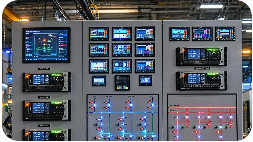

Understanding Monitor Panel with Mimic Board: A Practical Guide to Visual Monitoring Systems
Industrial facilities depend on continuous monitoring to maintain safe and efficient operations. From electrical substations to manufacturing plants and commercial buildings, operators need a clear understanding of equipment status, system conditions and possible faults. A monitor panel with mimic board helps provide this information through a visual representation of the system being monitored.
Instead of checking multiple indicators separately, operators can view important system details through a single organized display. This makes it easier to understand the condition of different sections and identify areas that may require attention.
In this article, we will explore what a monitor panel with mimic board is, how it works, its important features, applications and the factors to consider when selecting one.
What Is a Monitor Panel with Mimic Board?
A monitor panel with mimic board is an electrical monitoring arrangement that displays a simplified visual representation of an electrical system, building layout or industrial process.
The mimic board uses symbols, lines, labels and LED indicators to represent different equipment and operating sections. These indicators communicate the current status of the connected system.
For example, in a substation, a mimic display may represent transformers, circuit breakers, busbars and incoming or outgoing feeders. Operators can use the visual arrangement to understand which sections are operating and which may have an abnormal condition.
The main purpose is to make technical information easier to understand. A properly planned display provides a clear overview of the system and supports better monitoring decisions.
How Does a Mimic Monitoring Panel Work?
A mimic monitoring panel works by receiving status signals from connected electrical equipment or monitoring systems. These signals operate the corresponding indicators on the display.
The working process generally involves the following steps:
1. System Representation
The first step is to prepare a layout of the equipment or process that needs monitoring. Engineers use the project drawings and system information to develop the mimic arrangement.
2. Signal Connection
The required status signals are connected to the monitoring circuit. These signals may come from relays, auxiliary contacts, sensors or compatible control systems.
3. LED Indication
LED indicators display the operating condition of the represented equipment. Different colours can be assigned to different conditions according to the project requirements.
4. Alarm Identification
Where annunciation is included, the panel can provide visual alerts when a connected system reports an abnormal condition.
5. Operator Monitoring
Operators observe the display to understand the system status and identify the equipment or section that requires further inspection.
The actual functions depend on the electrical design, signal arrangement and integration requirements of the installation.
Important Features of Monitor Panels with Mimic Boards
A good mimic monitoring arrangement should provide clear information, reliable indication and convenient operation. Some important features include:
1. Clear Visual Representation
A mimic board presents the system layout in an organized format. Operators can identify different sections without referring to multiple drawings or indicator panels.
2. LED Status Indication
LED indicators help communicate the status of individual equipment or system sections. Their colours and operating logic should follow the approved project design.
3. Customised Layout
Every facility has different monitoring requirements. The mimic board can be developed with specific symbols, labels, colours and layouts according to the electrical drawings.
4. Alarm Integration
Mimic boards can work alongside annunciator systems to highlight faults and important events. This helps operators identify abnormal conditions more quickly.
5. Durable Panel Construction
The enclosure and display materials should be selected according to the installation environment. CRCA steel, suitable display sheets and protective front covers are commonly considered during panel construction.
6. Easy-to-Read Labelling
Clear labels and properly arranged indicators reduce confusion during routine monitoring and equipment inspection.
Applications of Monitor Panel with Mimic Board
Mimic monitoring systems are useful in facilities where operators need to understand the status of multiple equipment sections from a central location.
Some common applications include:
Electrical Substations: Mimic displays can represent busbars, transformers, circuit breakers and feeder arrangements, helping operators monitor the electrical distribution system.
Manufacturing Plants: Industrial facilities can use mimic boards to display the status of important production processes and connected equipment.
Fire Alarm Systems: A fire alarm mimic panel can represent building floors, fire zones and important detection areas. It helps operators understand the location associated with an alarm signal.
Building Management Systems: Commercial buildings can use visual monitoring arrangements to represent important building services and operational sections.
Security Monitoring: Mimic displays can provide a visual overview of security zones and connected monitoring points.
Traffic Management: Control centres can use visual layouts to represent road sections, traffic signals and monitored locations.
The final configuration depends on the facility’s monitoring requirements and the systems available for integration.
Benefits of Using a Monitor Panel with Mimic Board
A well-designed mimic board offers several practical benefits for operators and maintenance teams.
- Better system visibility: Important equipment status is displayed in one organized layout.
- Faster fault identification: Visual indicators help operators locate the section reporting an abnormal condition.
- Improved operator awareness: A clear display makes complex electrical arrangements easier to understand.
- Organized monitoring: Equipment labels, symbols and indicators follow a consistent layout.
- Centralized information: Multiple monitoring points can be represented on a common display.
- Convenient maintenance: Clear identification helps maintenance teams understand which equipment needs inspection.
These benefits depend on correct engineering, signal integration, testing and regular maintenance.
How to Choose the Right Mimic Control Panel
Selecting a suitable mimic panel requires more than choosing the display size or number of LEDs. The panel should match the actual requirements of the installation.
Consider these factors before finalizing a panel:
Monitoring Requirements: Identify the equipment, zones and operating conditions that need to be displayed.
Electrical Drawings: Provide accurate single-line diagrams, system layouts and relevant control drawings to support the design process.
Display Size and Visibility: Select a display size that allows operators to read labels and identify indicators from the normal operating position.
Signal Compatibility: Confirm that the panel is compatible with the available relays, sensors, control circuits and monitoring systems.
Construction Quality: Check the enclosure material, surface finish, wiring arrangement and protection requirements.
Applicable Standards: Review the standards and testing requirements relevant to the complete panel and project.
Future Expansion: Consider whether additional monitoring points may be required when the facility expands.
Discussing these requirements with an experienced electrical panel manufacturer can help avoid design changes during installation.
Why Quality Manufacturing Matters
The performance of a mimic monitoring panel depends on its design, components, wiring and assembly quality. Incorrect labelling, unclear layouts or poorly connected indication circuits can create confusion for operators.
A systematic manufacturing process should include design review, component selection, wiring checks, functional testing and final inspection.
Manufacturers should also consider the operating environment, installation requirements and project-specific documentation before starting production.
Burak Electric provides mimic control panel solutions for industrial and building monitoring applications. Its product configurations include LED indication, CRCA steel construction, powder-coated finishes and project-specific visual layouts. The company’s mimic panel solutions are engineered with reference to IEC 61439 and IS 8623 requirements.
For more information about available configurations and technical specifications, visit Burak Electric’s Mimic Control Panels.
Conclusion
A monitor panel with mimic board provides a practical way to represent complex electrical systems and monitoring points through a clear visual display. It helps operators understand equipment status, locate abnormal conditions and monitor different sections from a centralized position.
When selecting a mimic monitoring solution, businesses should focus on display clarity, signal compatibility, electrical design, construction quality and testing requirements.
A properly engineered mimic control panel can become a valuable part of an industrial monitoring system, supporting better operational awareness and organized equipment monitoring.


