
Feminine hygiene is an important part of personal health and everyday comfort. Maintaining proper intimate hygiene helps individuals understand their bodies, recognise normal changes, and identify symptoms that may require medical attention. However, intimate care is often surrounded by confusion, particularly regarding the use of cleansing products and treatments for itching.
The vaginal area has a natural balance of bacteria and acidity that helps protect it against infections. Using unsuitable products or cleaning too frequently can disturb this balance. Therefore, understanding the difference between external intimate cleansing and internal vaginal care is essential.
This article explains common intimate hygiene products, their purposes, and important precautions to consider when dealing with vaginal discomfort.
1. Understanding Feminine Itch Relief Cream
Feminine itch relief cream is a topical product designed to help manage itching and discomfort around the external intimate area. Itching can occur for several reasons, including skin irritation, excessive moisture, friction, allergic reactions, and certain infections.
The ingredients used in these creams depend on their intended purpose. Some formulations are designed to soothe irritated skin, while others contain specific medicinal ingredients for particular conditions.
Before using any cream, it is important to identify the possible cause of itching. For example, itching caused by contact with scented soaps may require avoiding the irritating product rather than applying a treatment cream.
Persistent itching should not be ignored. It may be associated with conditions such as yeast infections, bacterial infections, dermatitis, or sexually transmitted infections.
A suitable treatment depends on the underlying cause. Therefore, individuals experiencing repeated itching, unusual discharge, swelling, pain, or unpleasant odour should seek medical advice rather than relying only on an over-the-counter cream.
Always check the product instructions and use topical products only on the areas specified by the manufacturer or healthcare professional.
2. What Is an Intimate Wash?
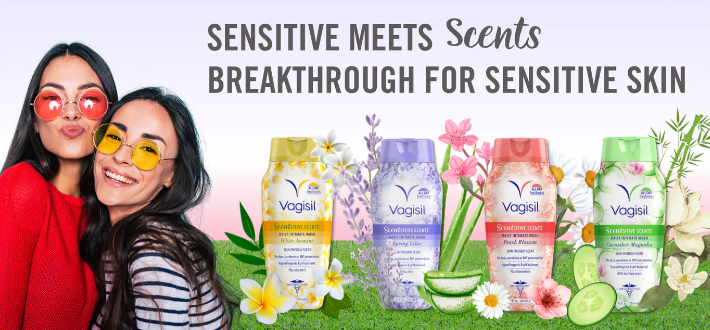
Intimate wash refers to a cleansing product specifically formulated for external intimate hygiene. These products are generally designed to clean the vulvar area, which includes the external genital structures.
Unlike ordinary body soaps, some intimate cleansing products are formulated with ingredients intended to provide gentle cleansing. However, not every product labelled as an intimate wash is suitable for every individual.
The external intimate area is sensitive, and harsh ingredients, fragrances, or excessive cleansing may cause irritation.
A few important considerations when selecting an intimate cleansing product include:
- Check the ingredient list before use.
- Prefer gentle, fragrance-free products if scented products cause irritation.
- Avoid products that cause burning, itching, or dryness.
- Follow the recommended usage instructions.
- Avoid excessive washing throughout the day.
It is also important to understand that an intimate cleansing product is not necessary for everyone. For many individuals, gently washing the external area with clean, lukewarm water is sufficient.
3. Understanding Feminine Wash and Its Purpose
Feminine wash is a term commonly used for products intended to support external intimate hygiene. These products may contain cleansing agents, moisturising ingredients, and other components depending on their formulation.
The main purpose of external cleansing is to remove sweat, everyday dirt, and external residue. It should not be used as a treatment for infections unless it is specifically prescribed for that purpose.
The vaginal area has a natural self-cleaning mechanism. Healthy bacteria help maintain its normal environment, while natural vaginal secretions support moisture and protection.
Using strong cleansing products can sometimes disturb this balance. This may result in dryness, irritation, or discomfort.
When choosing a feminine cleansing product, it is useful to consider skin sensitivity, fragrance content, and ingredient suitability.
Individuals should also remember that normal vaginal discharge is common. Its amount and consistency can change during the menstrual cycle. It does not automatically indicate poor hygiene or infection.
4. What Is a Vaginal Wash?
Vaginal wash is a term that is sometimes used to describe intimate cleansing products. However, it is important to distinguish between washing the external vulva and cleaning inside the vagina.
The vagina is a naturally self-cleaning organ. Internal cleaning, commonly called vaginal douching, is generally not recommended because it can disturb the natural bacterial balance.
Douching may increase the risk of irritation and certain infections. It can also make it more difficult to recognise the natural changes in vaginal discharge.
For everyday hygiene, the external vulvar area can be gently cleaned with water. There is generally no medical need to introduce cleansing liquids, soaps, or fragrances inside the vagina.
If someone experiences unusual discharge, a strong unpleasant smell, burning, or itching, they should seek medical evaluation instead of trying internal cleansing products.
Understanding this difference is important because external intimate hygiene and internal vaginal health are not the same thing.
5. When Is Vaginal Itching Cream Necessary?
Vaginal Itching Cream is a commonly searched term for products intended to provide relief from itching around the intimate area. However, the correct treatment depends on whether the itching is caused by external skin irritation or an internal vaginal condition.
Some common causes of intimate itching include:
Yeast infections: These may cause itching, irritation, and thick white discharge. Treatment generally involves appropriate antifungal medication.
Bacterial infections: Changes in vaginal bacteria may lead to unusual discharge and odour. Medical assessment helps determine the correct treatment.
Contact dermatitis: Fragrances, detergents, sanitary products, and other materials may irritate sensitive skin.
Hormonal changes: Reduced oestrogen levels, including during menopause, can contribute to vaginal dryness and discomfort.
Skin conditions: Conditions such as eczema and other inflammatory skin disorders can affect the external genital area.
Not every cream is suitable for every cause. For example, an antifungal cream will not treat every type of itching, and a soothing skin cream may not address an underlying infection.
Avoid inserting external creams into the vagina unless the product is specifically designed for internal vaginal use.
6. Common Mistakes in Intimate Hygiene
Certain everyday habits can increase the possibility of irritation and discomfort.
Some common mistakes include:
- Washing the intimate area too frequently.
- Using heavily scented soaps or sprays.
- Cleaning inside the vagina.
- Wearing damp or sweaty clothing for long periods.
- Using products that cause repeated irritation.
- Applying random creams without understanding the cause of itching.
- Ignoring persistent symptoms or unusual discharge.
Maintaining intimate hygiene does not require complicated routines. Gentle external cleaning, comfortable clothing, and avoiding irritating products are often sufficient for everyday care.
7. When Should You Consult a Healthcare Professional?
Occasional irritation may occur due to temporary skin sensitivity. However, persistent or recurring symptoms should be evaluated by a qualified healthcare professional.
Medical advice is particularly important if itching is accompanied by:
- Unusual vaginal discharge.
- Strong or unpleasant odour.
- Burning during urination.
- Pain during sexual activity.
- Swelling or sores.
- Pelvic pain.
- Fever or unusual bleeding.
A healthcare professional may recommend an examination or laboratory testing to identify the cause. Correct diagnosis is important because different infections and skin conditions require different treatments.
Conclusion
Intimate hygiene is about maintaining comfort and supporting the natural health of the external genital area. Choosing suitable cleansing products, avoiding unnecessary internal cleaning, and understanding the causes of irritation can help individuals make informed decisions. Products such as Feminine itch relief cream, Intimate wash, Feminine wash, Vaginal wash, and Vaginal Itching Cream should be understood according to their intended uses and ingredients. Persistent itching or unusual symptoms should always receive appropriate medical attention rather than being treated through self-medication alone.