
A well-organized office creates an environment where employees can work comfortably, communicate effectively, and manage their daily responsibilities. The furniture used in a workplace has a direct influence on its functionality, appearance, and overall organization. Businesses need practical furniture that supports their operations while reflecting their professional identity. Office furniture Philippines is an important consideration for companies looking to establish modern workspaces, renovate existing offices, or improve employee working conditions. From spacious office desks and ergonomic chairs to modular workstations and storage cabinets, every furniture choice should serve a specific purpose. Selecting suitable products helps businesses create balanced interiors that accommodate employees, welcome visitors, and support long-term operational needs.
Understanding What Makes an Office Functional
A functional office is designed around the activities employees perform throughout the day. Furniture should provide comfortable working areas, convenient storage, and enough space for movement. When every item has a clear purpose, employees can complete their responsibilities more efficiently.
Businesses should begin by examining their office layout and identifying the requirements of each department. Administrative teams may need individual desks and filing cabinets, while creative departments may benefit from shared workstations. Management offices often require executive desks, visitor chairs, and additional storage facilities.
The size of the workplace also influences furniture selection. Smaller offices need compact and multifunctional products, whereas larger organizations may have enough room for separate departments and dedicated meeting areas. Planning these requirements before purchasing furniture helps prevent overcrowding and unnecessary expenses.
Choosing the Right Furniture for Different Departments
Different departments perform different activities, which means their furniture requirements may vary. A suitable office arrangement should support the responsibilities of each team without compromising comfort or organization.
Administrative departments often require desks with drawers, comfortable chairs, and filing cabinets for handling paperwork. Sales teams may benefit from flexible workstations that encourage communication and collaboration. Finance departments may need organized storage for important records and documents.
Management offices usually require furniture that combines functionality with a professional appearance. Executive desks, comfortable seating, and suitable meeting tables can create an environment for focused work and private discussions.
Businesses should also consider shared areas such as reception spaces, conference rooms, and employee break areas. Selecting furniture according to the purpose of each location helps create a consistent and practical workplace.
Modern Office Desks for Comfortable Working Areas
Office desks provide the foundation for most employee workstations. Employees use them for computer activities, document preparation, virtual meetings, and administrative tasks. A suitable desk should offer sufficient surface space without making the office layout feel crowded.
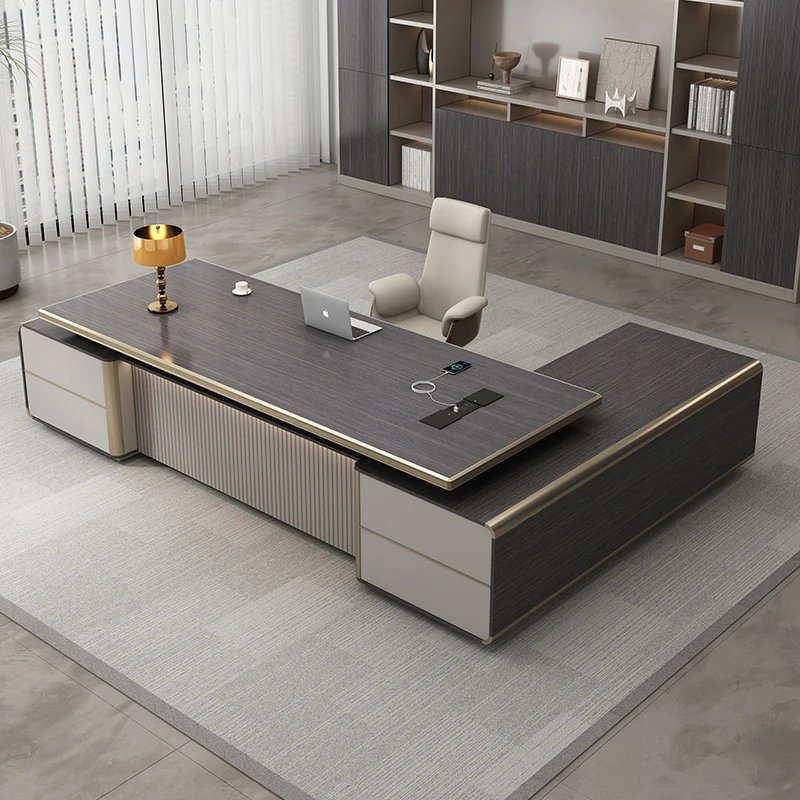
Straight desks are practical for standard workstations because they fit into different office arrangements. L-shaped desks provide additional space for employees who manage multiple activities. Executive desks are suitable for private offices where a more formal furniture arrangement is preferred.
Businesses should also consider desks with useful storage features. Drawers and compartments help employees organize stationery and documents, while cable management openings keep electronic wires arranged neatly.
The height and dimensions of a desk should support comfortable working positions. Properly selected desks allow employees to arrange their equipment conveniently and maintain organized work surfaces throughout the day.
Ergonomic Office Chairs for Employee Well-Being
Employee seating deserves careful attention because many office workers spend extended periods sitting at their desks. Chairs should provide appropriate support and allow users to adjust their positions according to their needs.
Ergonomic office chairs often include adjustable seat heights, lumbar support, armrests, and reclining functions. These features help employees find comfortable seating arrangements. Mesh chairs are another popular option because their breathable construction can improve airflow.
Different work areas require different seating solutions. Adjustable chairs are useful for regular workstations, while visitor chairs are suitable for reception areas. Conference rooms may require seating that remains comfortable during longer discussions.
Businesses should examine chair construction before purchasing. Strong bases, durable materials, reliable wheels, and quality adjustment mechanisms can contribute to long-term performance. Investing in suitable seating demonstrates consideration for employee comfort and workplace conditions.
Modular Workstations for Flexible Office Layouts
Modern workplaces often require furniture that can accommodate changing team sizes and working arrangements. Modular workstations provide flexibility by allowing businesses to organize individual units according to available space.
These systems can create dedicated employee areas without requiring permanent partitions. Open workstation arrangements encourage communication, while partitioned designs provide additional privacy for employees who need focused working environments.
Modular furniture is particularly useful for growing companies. Additional units can be introduced when new employees join, and existing arrangements can be adjusted when departments change. This flexibility reduces the need for major furniture replacements.
Businesses should consider workstation dimensions, storage options, cable management, and employee accessibility before choosing a system. A well-designed arrangement helps maintain an organized office while supporting different working styles.
Creating Welcoming Reception and Waiting Areas
Reception areas are important because they provide visitors with their first impression of a business. Their furniture should create a welcoming atmosphere while supporting the daily responsibilities of reception employees.
A reception desk should offer enough space for computers, telephones, documents, and office accessories. Its design should complement the interior and maintain a professional appearance.
Waiting areas require comfortable seating for visitors and clients. Sofas, guest chairs, and small tables can make these spaces more convenient. Businesses may also include brochure stands or compact storage units for informational materials.
The furniture arrangement should leave enough room for people to move freely. Avoiding unnecessary decorative items helps maintain a clean and organized appearance. A carefully furnished reception area reflects attention to detail and creates a positive visitor experience.
Conference Room Furniture for Better Collaboration
Conference rooms support business meetings, presentations, planning sessions, and discussions with clients. Their furniture should provide enough space for participants and accommodate the equipment used during meetings.
Conference tables are available in rectangular, oval, and round designs. Rectangular tables are suitable for larger meeting rooms, while round tables can work well in smaller collaborative spaces. Businesses should select dimensions according to the number of participants and the available floor area.
Comfortable chairs are equally important. Meeting participants should have enough seating space and suitable back support. Tables should also accommodate laptops, documents, notebooks, and presentation equipment.
Storage cabinets can help keep meeting supplies organized, while cable management features prevent unnecessary wiring from cluttering the room. A practical conference room arrangement supports productive discussions and creates a professional environment.
Smart Storage Solutions for Organized Offices
Storage furniture helps businesses maintain clean workspaces and manage important materials. Without suitable cabinets and drawers, office supplies and documents can quickly create clutter.
Filing cabinets provide organized spaces for paperwork and administrative records. Storage cupboards can hold stationery, equipment, and shared supplies. Mobile pedestals are useful for employees who need frequently used items close to their desks.
Businesses should evaluate their storage requirements before choosing furniture. Companies handling large amounts of physical documentation may require dedicated filing systems. Digital-focused organizations may prefer smaller cabinets and compact storage solutions.
Storage units should be placed where employees can access them conveniently. Frequently used items should remain within easy reach, while less commonly needed materials can be stored separately. This arrangement improves workplace organization and helps employees manage their time effectively.
Selecting Durable Furniture Materials and Finishes
Furniture materials influence appearance, strength, maintenance, and purchasing costs. Businesses should understand the available options before investing in office interiors.
Wood-based furniture is popular because it offers versatile designs and different surface finishes. Metal frames provide structural support and are commonly used in desks, cabinets, and workstation systems. Glass surfaces can create a modern appearance in reception areas and meeting rooms.
Office chairs also feature different materials, including mesh, fabric, and synthetic upholstery. Mesh seating provides airflow, while fabric options offer different textures and colors.
Apart from appearance, businesses should examine construction quality. Strong joints, stable frames, smooth drawer mechanisms, and properly finished surfaces are important features to consider. Durable furniture can reduce maintenance requirements and provide better long-term value.
Making Compact Office Spaces More Efficient
Limited floor space requires careful furniture planning. Businesses should select products that provide essential functionality without making the office feel crowded.
Compact desks are useful for smaller workstations, while vertical cabinets provide additional storage without occupying excessive floor space. Mobile pedestals and multifunctional furniture can also improve flexibility.
The placement of furniture should maintain clear pathways between workstations, meeting areas, and common facilities. Employees need enough room to move comfortably and access shared resources.
Businesses can also divide their offices into separate activity zones. Dedicated areas for focused work, collaboration, and meetings help employees understand how different spaces should be used. A practical layout can make even a small office feel more organized and comfortable.
Balancing Furniture Quality With Purchasing Costs
Furniture purchasing requires a clear budget and an understanding of business priorities. Companies should identify essential products before exploring additional furniture options.
Desks, chairs, workstations, and storage units generally form the foundation of a functional office. Reception furniture, conference tables, and executive office accessories can be added according to available resources.
Comparing suppliers and product specifications helps businesses understand differences in materials, designs, and construction quality. It is also useful to ask about delivery, installation, warranties, and after-sales services.
Companies should avoid making decisions based entirely on the lowest available price. Furniture must withstand regular use and provide suitable functionality. Considering durability and maintenance alongside initial costs helps businesses make more informed purchasing decisions.
Maintaining Office Furniture for Consistent Performance
Proper maintenance helps preserve furniture quality and keeps the office looking professional. Businesses should establish regular cleaning practices for desks, chairs, cabinets, and meeting tables.
Cleaning products should be appropriate for each material. Wooden surfaces require suitable care, while glass furniture should be cleaned with appropriate glass cleaners. Fabric and mesh chairs should be maintained according to their product instructions.
Employees should avoid placing excessive weight on desks and shelves. Chair wheels, adjustment mechanisms, cabinet hinges, and drawer systems should also be inspected periodically.
Addressing minor damage early can prevent more significant repair expenses. Encouraging employees to keep their workstations clean helps maintain an organized and comfortable environment.
Preparing Your Workplace for Future Business Expansion
An office should be designed to accommodate both current activities and future business requirements. Companies that expect workforce growth should consider furniture that can adapt to changing operational needs.
Modular desks, adjustable workstations, mobile storage units, and multifunctional furniture provide useful flexibility. These products allow businesses to modify their layouts without replacing every furniture item.
Technology requirements should also influence purchasing decisions. Modern desks may need space for multiple monitors, charging accessories, and computer equipment. Suitable cable management features help keep workstations organized.
Businesses should also collect employee feedback when planning furniture upgrades. Understanding which areas need additional storage, improved seating, or larger work surfaces helps organizations make practical improvements.
Conclusion
A well-planned workplace combines functional furniture, comfortable seating, organized storage, and attractive interior design. Businesses should select products according to their operational requirements, available space, employee needs, and long-term budgets. From modern workstations and executive desks to conference tables and reception furniture, every item contributes to the overall office experience. Investing in suitable Office furniture Philippines solutions helps organizations create professional environments that support productivity, workplace organization, and business development. Queens arts and trends can be considered when exploring practical furniture options and ideas for developing comfortable and well-organized business interiors.