


Picture a bustling warehouse in Riyadh, crates of fresh dates and imported cheese stacked high, ready to reach a Makkah hotel’s kitchen for Ramadan iftar. In Saudi Arabia, food distribution is the lifeline of the hospitality sector, ensuring every dish delights guests. With Vision 2030 fueling a tourism boom, the journey from warehouse to kitchen is more vital than ever. This guide traces that journey, revealing how food distribution works in KSA and offering practical tips for businesses to thrive.
What Is Food Distribution in Saudi Arabia?
Food distribution in KSA moves ingredients from suppliers to kitchens. It serves hotels, restaurants, cafes, and catering services, known as the HORECA sector. The process starts at warehouses, where goods are stored, sorted, and shipped. Trucks then deliver to urban hubs like Jeddah or remote spots like NEOM. In 2024, KSA’s foodservice market hit $29.16 billion, projected to reach $61.77 billion by 2032, growing at 8.7% yearly. This growth demands a slick distribution system.
Why Food Distribution Matters
Saudi Arabia’s hospitality sector is soaring. Vision 2030 aims for 150 million tourists by 2030, with 854,000 hotel rooms to feed. From Jeddah’s fine-dining spots to Al-Ula’s desert cafes, kitchens need fresh, high-quality ingredients on time. Reliable distribution ensures:
- Guest Satisfaction: Fresh food keeps menus consistent and customers happy.
- Cost Savings: Steady supplies avoid pricey last-minute orders.
- Cultural Fit: Halal and local foods meet Saudi traditions and global tastes.
A wholesale suppliers in saudi arabia ensures hotels get fresh yogurt for breakfast buffets, no delays.
The Food Distribution Journey
The path from warehouse to kitchen has clear steps:
1. Sourcing and Imports
KSA imports over 80% of its food, from dairy to exotic fruits. In 2021, dairy imports alone hit $1.88 billion, with cheese topping the list. Major suppliers include the USA, New Zealand, and the UAE. Local farms, like Almarai, add dairy and produce but can’t meet all demand.
2. Warehousing
Goods arrive at warehouses in Riyadh, Jeddah, or Dammam. Here, they’re sorted, checked for quality, and stored. Cold chain logistics keep items like milk or seafood fresh. Companies like Almunajem Foods run 14 distribution centers, serving 18,000+ outlets.
3. Logistics and Delivery
Trucks hit the road, navigating KSA’s vast terrain. Urban deliveries to Riyadh are quick, but reaching NEOM or Tabuk tests logistics. A food importer in saudi arabia might supply coffee to 700 Barn’s cafes across KSA, no sweat. Tech like GPS tracking ensures timely drop-offs.
4. Kitchen Prep
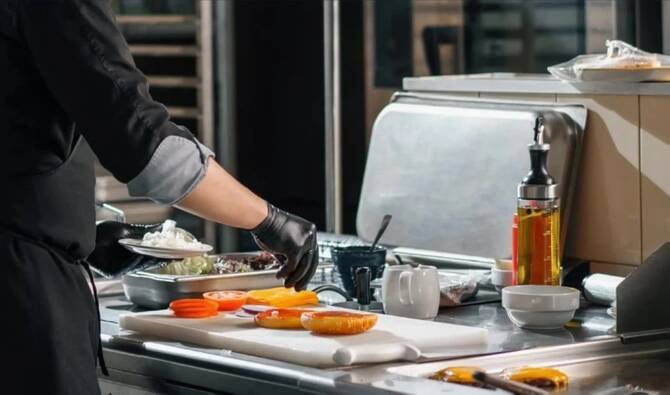
Kitchens receive goods, check quality, and start cooking. A Jeddah restaurant might whip up shawarma from imported meat or bake pastries from local flour. Speed and freshness are key to serving guests fast.
Challenges in Food Distribution
KSA’s food distribution faces hurdles:
- Import Reliance: Over 80% of food comes from abroad, raising costs and delays.
- Food Waste: KSA loses $13 billion yearly to waste, especially in catering.
- Remote Deliveries: Giga-projects like the Red Sea Project are far from supply hubs.
- Regulations: Strict import rules, like halal certifications, slow things down.
- Sustainability: Guests want eco-friendly options, but green logistics are pricey.
These challenges push distributors to innovate.
How Vision 2030 Shapes Distribution
Vision 2030 is a game-changer. It’s diversifying KSA’s economy, boosting tourism, and growing the foodservice market. By 2030, food and beverage spending is set to hit $28.76 billion. Here’s how it impacts distribution:
- Tourism Surge: More visitors mean more restaurants and hotels needing supplies.
- Giga-Projects: NEOM and Diriyah need robust logistics to remote areas.
- Sustainability Goals: Vision 2030 pushes for less waste and greener packaging.
- Local Growth: Support for local brands like Al Baik cuts import needs.
Key Trends in Food Distribution
The distribution scene is evolving. Here are trends to watch:
- E-Commerce Boom: Online platforms like Foodics help restaurants order fast.
- Cloud Kitchens: Virtual restaurants in Riyadh rely on flexible distributors.
- Coffee Shop Craze: KSA has 40% of the Middle East’s cafes, needing coffee and snacks.
- Health Focus: Demand for organic and clean-label foods is rising.
- Tech Tools: AI and blockchain improve tracking and safety.
A beverage distributor can tap into the coffee shop trend, supplying beans to chains like Dose.
How to Choose a Food Distributor
Picking the right distributor is critical. Look for:
- Reliability: They deliver on time, even to far-off Al-Ula.
- Quality: Food meets halal and safety standards.
- Variety: They stock everything from dairy to frozen pastries.
- Green Practices: Eco-friendly packaging aligns with Vision 2030.
- Local Expertise: They know KSA’s market, like catering for the Saudi Food Expo.
Test them with small orders first.
Tips for a Strong Supply Chain
Hospitality businesses can streamline their supply chain:
- Partner Smart: Work with trusted names like a dairy product distributor Jeddah for fresh milk.
- Use Tech: Inventory apps prevent shortages, especially during Hajj.
- Plan Ahead: Stock up for peak seasons like the Riyadh Season.
- Cut Waste: Donate extras to food banks like Eta’am in Jeddah.
- Train Staff: Teach chefs to handle ingredients carefully to reduce spoilage.
Common Questions About Food Distribution
Here’s what people ask, based on online searches:
- Why is KSA’s foodservice growing? Tourism, young populations, and higher incomes drive demand.
- How does Vision 2030 affect supply? It boosts hospitality, needing faster distribution.
- What’s the deal with food waste? Billions are lost, but charities and planning help.
- How do distributors meet diverse needs? They offer halal, global, and eco-friendly options.
Opportunities for Distributors
KSA’s foodservice market offers big chances:
- Local Brands: Supply chains like Herfy with Saudi-made goods.
- Tourism Hubs: Serve new hotels in Diriyah or the Red Sea Project.
- Green Solutions: Offer sustainable packaging to cut waste.
- Tech Edge: Use AI to predict demand and speed deliveries.
Challenges to Overcome
Distributors must tackle:
- High Costs: Imports and logistics drive up prices.
- Remote Access: Delivering to giga-projects is tough.
- Saudization: Hiring local staff needs training.
- Global Competition: EU and Asian suppliers vie for market share.
Vision 2030’s reforms, like simpler licensing, are easing these issues.
The Future of Food Distribution
By 2030, KSA’s hospitality sector will need top-tier distribution. With 854,000 hotel rooms and events like Expo 2030, demand will skyrocket. Distributors must lean on tech, go green, and understand local tastes. The future is bright for a supply chain that keeps kitchens cooking and guests smiling.
Final Thoughts
From warehouse to kitchen, food distribution fuels Saudi Arabia’s hospitality boom. A dairy product distributor Jeddah or a beverage distributor plays a starring role, delivering fresh ingredients to create memorable meals. By choosing reliable partners, using smart tech, and planning wisely, businesses can ride KSA’s growth wave. Let’s support Vision 2030 and build a food journey that wows the world.