
Businesses are increasingly seeking to both decrease their energy bills and enhance environmental sustainability. An area of interest currently is the use of electric steam boilers. Rather than natural gas, oil and so on being combusted to create heat for steam, electric boilers are powered by electricity to produce steam.
An electric steam boiler can provide a number of benefits; for example, it can lead to reduced local emissions. They can also be easier to maintain and tend to be good at converting energy to heat. Nevertheless, electricity costs, accessibility, and electricity production need to be taken into account when adopting an electric steam boiler.
Will Electric Steam Boilers Prove to be a Viable Alternative for Businesses?
This will depend on business specifics, the volume of steam that is needed and the suitability of a business’ energy provision for an electric steam boiler.
How Do Electric Steam Boilers Function?
Electric steam boilers use electricity to heat water and create steam. Electric heating elements or electrodes are used to achieve this.
Electric resistance boilers utilise heating elements, and electricity flows through these, causing them to become hot and, in turn, heat up the surrounding water. Electrode boilers cause water to heat by allowing electricity to flow directly through it.
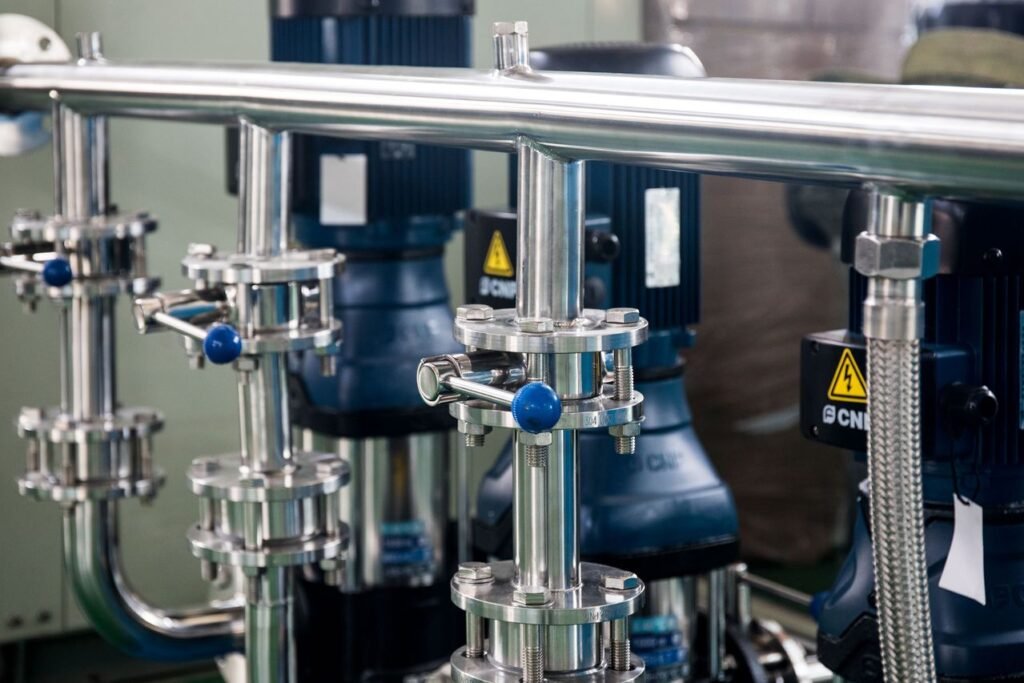
Steam is then channelled via pipework to various tools and machinery.
As with a standard steam boiler, an electric steam boiler can be used within a variety of sectors, such as manufacturing, food and pharmaceuticals. Again, the key difference relates to the type of energy that is employed to create heat.
Benefits of Adopting Electric Steam Boilers
Electric steam boilers can typically be highly energy efficient as the electrical energy that is delivered is largely converted into heat. As with other considerations, though, the environmental and energy credentials of an electric steam boiler will also be affected by the method of electricity production.
Furthermore, as there are usually no combustion parts to an electric steam boiler – such as burners, fuel storage or combustion apparatus – these systems can typically be easier to maintain.
Additionally, certain electric steam boilers are small and so may be appropriate for premises with restricted space.
Precise temperature and pressure regulation is also achievable with an electric steam boiler. Where industries need to ensure that steam is of a particular temperature and pressure, this can therefore be beneficial.
Issues With Electric Steam Boilers
Cost is often an issue. If electricity is costly in an area, then using an electric steam boiler could prove more expensive than burning natural gas, diesel, oil and so on. Therefore, it is advisable for businesses to investigate the energy costs of their location.
Access to a suitable electrical supply is also significant. Industrial electric steam boilers may have high electrical demands, so a business may need to enhance its electrical provision (for example by improving transformers and/or electricity distribution) to accommodate an electric boiler.)
Local electricity supply stability is a further key consideration. Should a business suffer from a high frequency of electricity cuts, then an electric steam boiler may be less secure than a fuel-powered boiler, as a business can also store and supply fuel independently.
In addition, businesses need to assess the origin of their electricity supply. Even though there are no direct combustion emissions from an electric steam boiler, the electricity that it uses may still be generated using fossil fuels. Electricity produced using renewable sources will therefore yield greater environmental benefits.
Distinction Between Electric and Fuel-Powered Steam Boilers
Both are electricity- and fuel-powered. Steam Boilers can be used to deliver steam for industry. Although there are key differences between the two.
- Type of energy: As mentioned, electric steam boilers are powered by electricity, whereas fuel-Powered Steam Boilers are powered by natural gas, diesel, oil and so on.
- Emissions: As noted above, electric steam boilers do not emit gases directly. Conversely, fuel-Powered Steam Boilers do so, and suitable venting and emissions control will need to be in place.
- Maintenance: Generally, electric steam boilers have less to maintain in relation to combustion. Meanwhile, fuel-Powered Steam Boilers necessitate ongoing servicing of a range of elements, including burners, fuel pipes, combustion mechanisms and vents.
- Running costs: Although electric steam boilers can typically incur less maintenance expenditure, electricity costs may cause these systems to be more costly to run. Conversely, if fuel is reasonably priced, then fuel-Powered Steam Boilers may represent a more economically favourable option.
- Installation: An electric steam boiler will need access to suitable electrical provision. Fuel-Powered Steam Boilers will require suitable fuel storage or delivery points together with adequate airflow and venting.
The optimal solution will depend on a range of factors, including the energy costs of a business, its production needs and its existing and prospective provision. Moreover, a business’s long-term aims can play a key role.
Which Industries Can Utilise Electric Steam Boilers?
Electric steam boilers can be well suited for industries which have either low or medium steam demand and wish to minimise local emissions.
Within the food industry, for instance, they may be utilised for food preparation, heating and hygiene. Similarly, pharmaceutical companies can effectively implement electric steam boilers to regulate steam production for processes, so long as the relevant steam quality criteria are fulfilled.
Commercial laundries, laboratories and even small manufacturing units can also often effectively employ electric steam boilers because of their small size and ease of use.
Nevertheless, larger industrial businesses with high and ongoing steam demand may need to thoroughly examine their electricity provision. Again, in some instances, a fuel-powered steam boiler or indeed a hybrid of fuel and electric boilers may offer improved versatility.
Key Considerations for Businesses Contemplating Adoption of Electric Steam Boilers
Businesses should also explore the relative costs of electricity and fuel. Having first established the anticipated amount of electricity which would be consumed, businesses can then compare this with their current fuel expenditure. Other key areas for investigation are installation, maintenance and enhancement of electricity provision. Furthermore, energy-saving potential should be analysed.
Looking ahead, businesses with access to, and the ability to utilise, renewable electricity sources may discover that electric steam boilers are particularly favourable in delivering their aim to lessen carbon output.
Advice can be sought from suitably qualified boiler experts to ascertain if an electric steam boiler is appropriate for a business’ circumstances.
Conclusion
Electric steam boilers present a potentially excellent alternative to fuel-powered steam boilers. Businesses keen to cut local emissions, facilitate easier maintenance and control steam production may find that they can particularly effectively implement such boilers.
However, energy costs, electricity provision, and business production needs can all affect the economic viability of a move to an electric steam boiler. Indeed, although some businesses can successfully transition wholly to an electric steam boiler, in other instances a mix of electric and fuel-powered boilers may yield superior outcomes.
Ultimately, businesses must thoughtfully analyse their energy costs and production needs alongside their future aspirations in order to identify the most suitable steam boiler. Through comparison of the two steam boiler types, businesses can then effectively evaluate options and so optimise efficiency, security and environmental sustainability within industry.