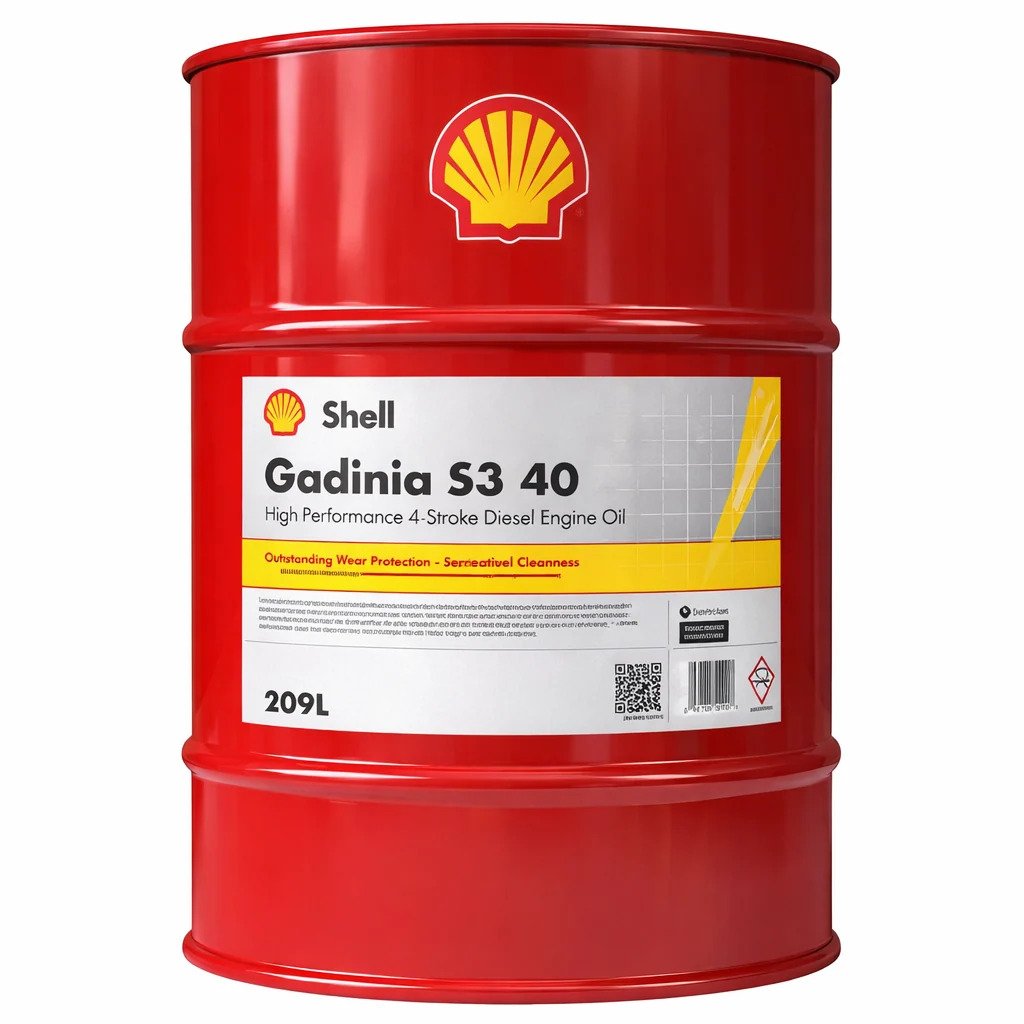

Marine engines operate under demanding conditions where reliable lubrication is essential for smooth performance, equipment protection, and operational efficiency. Engines used in commercial vessels, fishing boats, offshore support vessels, and other marine applications require lubricants that can withstand continuous operation, changing temperatures, and challenging operating environments.
Shell Gadinia S3 40 is a marine engine lubricant developed for specific marine engine applications. Understanding its properties, performance characteristics, and applications can help vessel operators, maintenance professionals, and procurement teams make informed lubricant selection decisions.
In the UAE, where marine transportation, offshore operations, and shipping activities play an important role in the economy, selecting suitable marine lubricants is particularly important. Working with reliable lubricant suppliers in UAE also helps businesses maintain consistent product availability and support their maintenance requirements.
1. What Is Shell Gadinia S3 40?
Shell Gadinia S3 40 is a marine engine oil designed for applications where the manufacturer specifies an SAE 40 lubricant with suitable performance characteristics. It is intended to support engine cleanliness, lubrication, and protection under demanding marine operating conditions.
Marine engines often experience extended operating hours and varying loads. Using an appropriate lubricant helps maintain an effective lubricating film between moving components, reducing direct metal-to-metal contact.
For vessel operators, selecting the correct marine engine oil is not simply about viscosity. Factors such as engine design, fuel quality, operating conditions, and manufacturer recommendations must also be considered.
2. Key Properties of Shell Gadinia S3 40
Understanding the important properties of marine engine oil helps maintenance teams select products that match their equipment requirements.
SAE 40 Viscosity Grade
The SAE 40 viscosity classification indicates the oil’s viscosity grade at operating temperatures. Appropriate viscosity helps maintain lubrication between moving engine components and supports reliable operation when used in compatible engines.
Engine Wear Protection
Marine engines contain moving components that operate under mechanical stress. A suitable lubricant helps reduce friction and wear by maintaining a protective oil film between contacting surfaces.
Oxidation Resistance
Extended engine operation exposes lubricants to elevated temperatures and oxygen. Oxidation resistance helps maintain lubricant stability and reduces the formation of undesirable degradation products.
Engine Cleanliness
Deposits and contaminants can affect engine efficiency and maintenance requirements. Marine lubricants are formulated with performance additives to help control deposits and support engine cleanliness.
Reliable Lubrication
Consistent lubrication is essential for components such as bearings, pistons, and other moving engine parts. Selecting an oil that meets the engine manufacturer’s requirements supports dependable equipment operation.
Note: Actual performance characteristics and compatibility should always be verified against the latest Shell product data sheet.
3. Applications of Shell Gadinia S3 40 in Marine Operations
Marine lubricants serve different purposes depending on engine configuration and operating requirements. The Shell Gadinia S3 40 may be considered for compatible marine engine applications where its specifications are recommended.
Some relevant operating environments include:
- Commercial Marine Vessels: Marine engine lubrication requirements must be managed carefully to support continuous vessel operations.
- Fishing Vessels: Suitable engine oil helps protect equipment operating during extended fishing trips.
- Offshore Support Vessels: Reliable lubrication is important for vessels supporting offshore activities and demanding operating schedules.
- Marine Auxiliary Engines: Compatible auxiliary engines require appropriate lubrication to support dependable onboard power generation and equipment operation.
Before selecting this lubricant, operators should confirm the engine manufacturer’s recommendations, required oil specifications, and application suitability.
4. Why Choosing the Right Marine Lubricant Matters in the UAE
The UAE has an active maritime industry supported by commercial ports, shipping companies, offshore facilities, and marine service providers. These operations depend on properly maintained engines and machinery.
High ambient temperatures, demanding operating schedules, and exposure to marine environments make lubricant selection an important maintenance consideration.
Choosing the correct lubricant can help businesses:
- Reduce friction and minimize component wear.
- Maintain effective engine lubrication.
- Support equipment reliability.
- Manage maintenance requirements.
- Improve operational continuity.
Businesses should also work with established lubricant suppliers in UAE who can provide genuine products, technical documentation, and guidance on selecting suitable lubricants for specific equipment.
5. How to Select Reliable Lubricant Suppliers in UAE
Finding the right supplier is as important as selecting the right lubricant. Industrial buyers and marine operators should consider several factors before placing an order.
Product Authenticity: Verify that the supplier provides genuine products with appropriate packaging and traceability.
Technical Knowledge: Choose suppliers who understand marine and industrial lubricant specifications and can help identify suitable products.
Product Availability: Consistent stock availability helps prevent unnecessary maintenance delays.
Technical Documentation: Request relevant product data sheets, safety data sheets, and manufacturer specifications.
Industry Experience: Suppliers with experience serving marine, industrial, and commercial customers can better understand different procurement requirements.
A dependable supplier relationship supports better purchasing decisions and long-term maintenance planning.
6. Why Proper Lubricant Selection Supports Long-Term Performance
Using an unsuitable lubricant can contribute to excessive wear, deposit formation, and unnecessary maintenance expenses. This is why marine operators should avoid choosing engine oils based solely on viscosity grade or price.
Always compare the lubricant’s technical specifications with the equipment manufacturer’s recommendations. Regular oil analysis, scheduled oil changes, and proper storage practices can further support effective lubrication management.
For businesses operating in the UAE, combining correct lubricant selection with a reliable supply partner can help maintain equipment performance and operational reliability.
Conclusion
Shell Gadinia S3 40 is a marine lubricant worth understanding when evaluating lubrication requirements for compatible marine engines. Its SAE 40 viscosity grade and intended marine applications make specification matching an important part of the selection process.
Whether you manage a commercial vessel, offshore operation, or marine maintenance facility, choosing the right lubricant and sourcing it from dependable lubricant suppliers in UAE can support equipment protection and operational efficiency.
Frequently Asked Questions (FAQs)
1. What is Shell Gadinia S3 40 used for?
Shell Gadinia S3 40 is a marine engine lubricant intended for compatible marine engine applications where the manufacturer specifies this product or its corresponding performance requirements.
2. What does SAE 40 mean in Shell Gadinia S3 40?
SAE 40 refers to the oil’s viscosity grade at operating temperatures. It indicates its viscosity classification and helps determine whether the lubricant is suitable for a particular engine.
3. How can I choose reliable lubricant suppliers in UAE?
Look for suppliers offering genuine products, technical documentation, consistent availability, industry experience, and assistance with lubricant specifications.
4. Why is selecting the correct marine engine oil important?
The correct marine engine oil helps maintain lubrication, reduce friction, protect engine components, and support reliable equipment operation. Always follow the engine manufacturer’s recommendations when selecting a lubricant.