Is your dog scratching and licking their fur more than usual? Or have you noticed your cat vomiting more often than just the occasional hairball? Sometimes, the biggest threats to your pet are the ones you can’t see.
Name it — fleas in the house, ticks in the yard, or worms picked up outdoors. More than mere irritation, some pests and parasites can cause serious health problems if left untreated.
Knowing what these pests look like, where pets typically encounter them, and what signs to watch for can help you spot a problem early.
1. Fleas: Tiny, Fast-Moving Insects
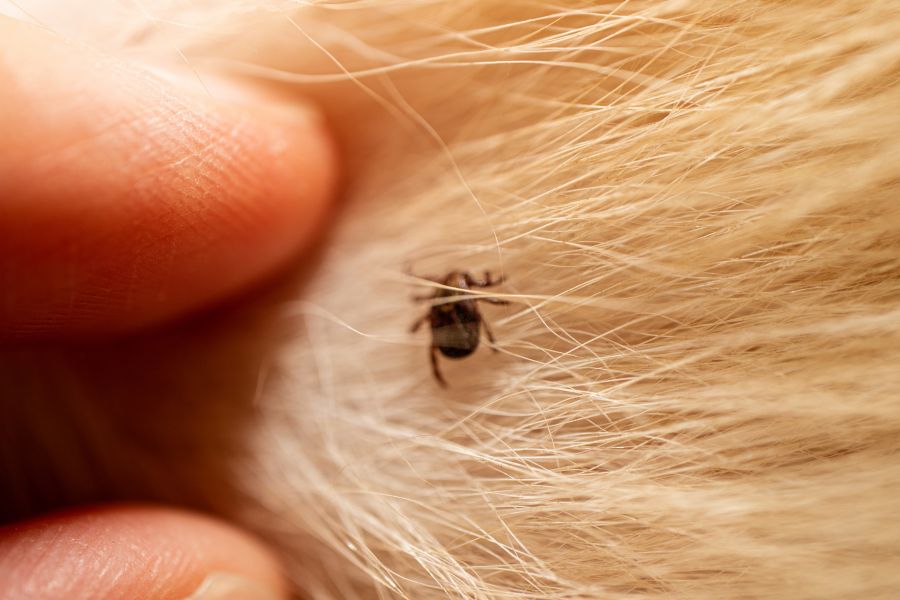
Fleas are small, wingless insects about 1–3 mm long. They have flattened, reddish-brown bodies and strong legs that allow them to jump quickly through an animal’s coat. They can be difficult to catch because they move fast and hide close to the skin.
Signs to look for: Pets can pick up fleas from other animals, grass, carpets, bedding, and furniture. Watch out for frequent scratching, licking or biting at the skin, hair loss, and irritated skin. You may also spot tiny black specks, known as flea dirt, in the coat.
2. Ticks: Small Parasites That Attach to the Skin
Ticks are tiny, spider-like parasites with round or oval bodies. Their size varies depending on the species and whether they have recently fed. An unfed tick may look like a small dark seed, while a fully fed tick can become noticeably larger and rounded.
Signs to look for: Dogs and cats can pick up ticks from grass, gardens, wooded areas, and other places where animals roam. Check around the ears, neck, paws, between the toes, and tail after outdoor activities. Ticks can transmit diseases, so an attached tick should be dealt with promptly.
3. Mites: Tiny Parasites You May Not See
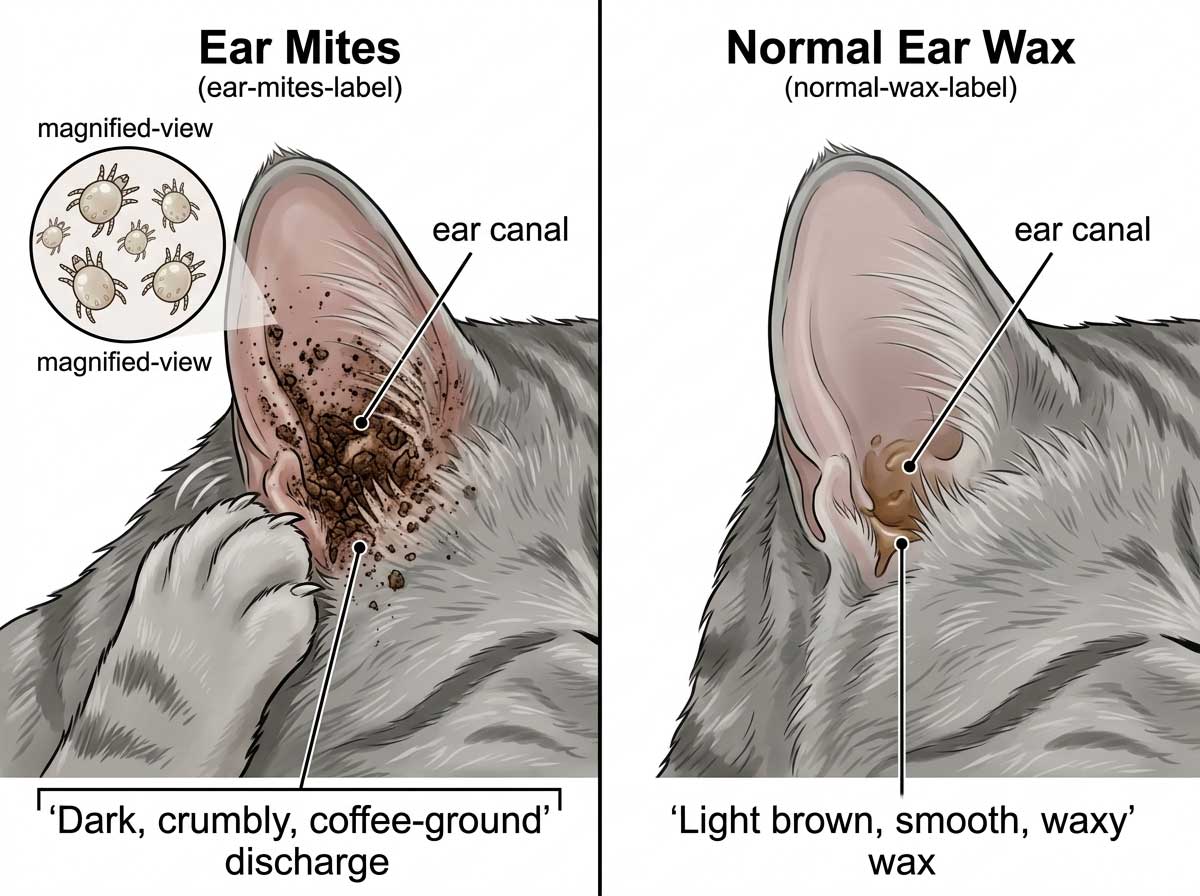
Mites are much smaller than fleas and ticks and usually cannot be seen with the naked eye. Different types affect different parts of a pet’s body.
Signs to look for: Ear mites are particularly common in cats. They can cause intense itching, head shaking, and a dark, crumbly discharge that may resemble coffee grounds inside the ears. Other mites can affect the skin, leading to redness, scratching, scabs, or patches of missing fur.
Because mites are difficult to identify by appearance alone, a veterinarian can confirm the cause of the irritation.
4. Roundworms and Hookworms: Intestinal Parasites
Roundworms are long, pale worms that can resemble strands of spaghetti. Hookworms are much smaller and have a curved, hook-like shape, making them harder to spot without laboratory testing.
Dogs and cats can pick up these parasites from contaminated soil, feces, or surfaces. Puppies and kittens may also acquire certain worms from their mothers.
Signs to look for: An infected pet may develop diarrhea, vomiting, weight loss, a swollen belly, poor coat condition, or low energy. Some pets show no obvious signs, which is why veterinary testing matters.
5. Tapeworms: Flat, Segmented Worms
Tapeworms are long, flat intestinal parasites made up of small segments. You may not see the entire worm, but individual segments can appear around a pet’s rear end or in their bedding. Fresh segments can look like small grains of rice; dried ones may resemble sesame seeds.
Signs to look for: Dogs and cats can become infected by swallowing infected fleas or eating infected prey. Scooting or irritation around the rear end may also occur.
6. Heartworms: Dangerous Worms Spread by Mosquitoes
Heartworms are very different from parasites such as fleas because they live inside the body. Adult worms can grow to several inches long and live mainly in the heart and nearby blood vessels.
Signs to look for: Pets become infected through the bite of an infected mosquito. Heartworm disease can initially cause few visible signs, but later symptoms may include coughing, tiredness, reduced exercise tolerance, or breathing difficulties.
Because heartworm disease can cause serious damage, regular preventive care is important.
Protecting Your Home and Pets From Pests and Parasites

Your pet’s environment can contribute to parasite problems, particularly flea infestations.
1. Clean Your Home
Wash bedding regularly and vacuum carpets, rugs, furniture, crates, and other areas where your pet rests.
If fleas are present, thorough cleaning is especially important because flea eggs and immature fleas can remain in the environment.
2. Maintain Your Yard
Keep grass and vegetation trimmed, clear away garden debris, and remove pet waste promptly. Areas with tall grass or dense vegetation can provide hiding places for ticks and other parasites.
3. Make Grooming a Routine
Regular brushing gives you a chance to spot fleas, ticks, irritated skin, bumps, wounds, or hair loss. Check the ears, paws, belly, and area around the tail, too.
When choosing grooming or parasite-control solutions, use animal health products designed for your pet’s species, age, and size. Never use a dog product on a cat unless your veterinarian confirms it is safe.
4. Watch for Infected Animals
Some pests and parasites can spread through close contact with infected animals or through shared environments. Keep an eye on pets your animal regularly encounters, including a neighbor’s dog or cat, a fellow patient at the veterinary clinic, or a recently infected pet in your household.
If you know an animal has a parasite or contagious infection, limit close contact when possible and ask your veterinarian whether your pet needs testing or preventive treatment. Avoid sharing bedding, grooming tools, food bowls, or other items until the risk has been assessed.
5. Stay on Top of Vet Visits
Routine veterinary checkups can catch parasite problems before they become serious. Depending on your pet’s lifestyle and risk factors, your vet may recommend fecal tests, heartworm testing, deworming, or flea and tick control.
Contact your vet if your pet develops persistent itching, vomiting, diarrhea, coughing, unusual tiredness, or unexplained weight changes.
Prevention Goes a Long Way

Good parasite control comes down to consistency. Keep your pet’s living areas clean, maintain the yard, groom regularly, use appropriate preventive products, and follow your veterinarian’s recommendations.
With a little attention and a reliable care routine, you can reduce your pet’s exposure to common pests and parasites and help keep them healthy and comfortable.
Author Bio: Carmina Natividad is a daytime writer for Abbey Labs, an Australian company that offers reliable animal health solutions to support the well-being of pets and livestock. She loves creating easy-to-read content about animal care, veterinary tips, and the latest solutions that help animals live healthier lives.