

Massage for Back and Shoulder Tension: A Simple Guide to Relaxation and Muscle Comfort
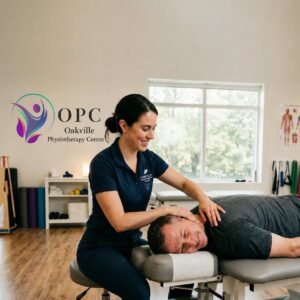
Back and shoulder tension is one of the most common discomforts people notice after long workdays, desk sitting, driving, workouts, stress, or poor sleeping positions. The upper back, neck, and shoulders often carry daily pressure, especially when the body stays in one position for too long. If you have been searching for a simple way to relax tight muscles, a massage for back and shoulder tension may be useful as part of a balanced self-care routine.
Massage is commonly used to support relaxation, reduce everyday muscle tightness, and help people feel more comfortable in their bodies. It is not a cure for medical problems, and it should not replace professional healthcare, but it may help many people manage general stiffness, stress-related tension, and tired muscles.
This guide explains what causes back and shoulder tension, how massage may help, which massage styles are commonly used, what to expect during a session, and when it is better to speak with a qualified professional first.
What Causes Back and Shoulder Tension?
Back and shoulder tension can happen for many reasons. In most cases, it is connected to daily habits, posture, physical workload, or stress. The body is designed to move, but many people spend hours sitting at a desk, using a laptop, looking down at a phone, or driving. Over time, these habits can make the neck, shoulders, and upper back feel stiff or heavy.
Common causes may include:
✅ Long sitting hours
✅ Poor desk posture
✅ Looking down at a phone for long periods
✅ Driving for extended time
✅ Stress and mental pressure
✅ Heavy lifting or physical work
✅ Intense workouts
✅ Weak posture-supporting muscles
✅ Sleeping in an uncomfortable position
✅ Carrying heavy bags on one shoulder
The shoulders are also strongly affected by stress. Many people naturally lift or tighten their shoulders when they feel busy, anxious, or under pressure. This can create a feeling of tightness around the neck, shoulder blades, and upper back.
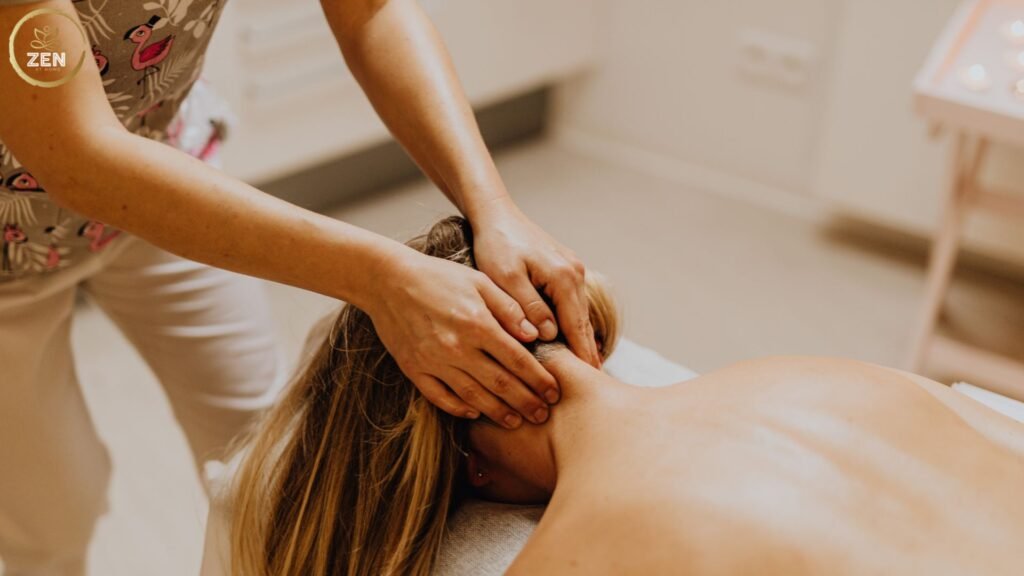
A back and shoulder massage may help support relaxation in these areas, especially when tension is linked to daily lifestyle habits rather than a serious injury or medical condition.
How Massage May Help Back and Shoulder Tension
Massage therapy generally involves working with the soft tissues of the body, including muscles and connective tissues. The National Center for Complementary and Integrative Health explains that massage therapy is commonly used to support wellness and may be used by people for different health-related reasons.
For general back and shoulder tension, massage may help support:
🌿 Muscle relaxation
🌿 Temporary relief from tightness
🌿 Better body awareness
🌿 Stress reduction
🌿 A calmer self-care routine
🌿 Improved comfort after a long day
🌿 Relaxation of the neck, shoulders, and upper back
The Mayo Clinic notes that massage therapy may help reduce stress, lessen pain and muscle tightness, and increase relaxation. However, every person responds differently. Some people feel more relaxed after one session, while others may need regular self-care habits, stretching, movement, and posture adjustments alongside massage.
Common Areas That Feel Tight
Back and shoulder tension is often not limited to one spot. It can spread across connected areas of the upper body. This is why a back, neck, and shoulder massage is often more useful than focusing on only one small area.
Common tight areas include:
Neck Base
The base of the neck often feels tight after laptop work, phone use, or long driving. This area may feel heavy, stiff, or tired.
Upper Back
The upper back can feel tense when posture is rounded forward. This is common among office workers and people who sit for many hours.
Shoulder Blades
Many people feel tightness between or around the shoulder blades. This may happen from stress, poor posture, or repetitive movement.
Trapezius Muscles
The trapezius muscles run across the neck, shoulders, and upper back. They often become tight when people carry stress in their shoulders.
Lower Back
Although the topic focuses on back and shoulder tension, lower back discomfort may also appear when posture, sitting habits, or physical work affect the body.
A targeted massage for back and shoulder tension can focus on these areas based on the client’s comfort and pressure preference.
Which Massage Type Is Best for Back and Shoulder Tension?
There is no single “best” massage for everyone. The right option depends on your body, sensitivity, lifestyle, and reason for booking. Some people prefer a gentle relaxation massage, while others want firmer pressure for tight muscles.
Here are common massage styles used for back and shoulder tension.
Relaxation Massage
A relaxation massage uses lighter to medium pressure and calming movements. It may be suitable if your tension is connected to stress, tiredness, or general body fatigue. This style is commonly chosen by people who want to relax without intense pressure.
Deep Tissue Massage
Deep tissue massage usually uses firmer pressure and slower movements. It may be useful for people looking for deep tissue massage for tight muscles, especially around the back, shoulders, or neck. However, deep pressure should never feel painfully intense. A good session should stay within your comfort level.
Sports Massage
Sports massage may be useful for people with active lifestyles, gym routines, or physically demanding work. It often focuses on muscle groups that feel overused or tight after movement, exercise, or training.
Swedish Massage
Swedish massage is commonly used for relaxation and general body comfort. It may be suitable for people who want a balanced massage style with smooth movements and moderate pressure.
Targeted Upper-Body Massage
A targeted upper-body massage focuses mainly on the back, neck, and shoulders. This can be a good option for people whose discomfort is mostly in the upper body rather than the legs or full body.
Deep Tissue Massage vs Relaxation Massage for Tension
Many people searching for massage for shoulder tension wonder whether they should choose deep tissue massage or a relaxation massage. Both can be helpful, but they serve different preferences.
A relaxation massage is usually better if you want:
✅ Gentle pressure
✅ Stress relief
✅ Overall calmness
✅ A lighter massage experience
✅ A peaceful self-care session
Deep tissue massage may be preferred if you want:
✅ Firmer pressure
✅ More focus on tight muscles
✅ A slower and more targeted session
✅ Attention to deeper areas of tension
✅ A massage style commonly used for muscle tightness
The most important point is communication. Massage should feel supportive, not painful. If the pressure feels too strong, you should tell the therapist immediately. Cleveland Clinic explains that massage therapy can involve different techniques and pressure levels, so discussing comfort and technique before the session is important.
When Should You Book a Back and Shoulder Massage?
You may consider booking a back and shoulder massage when your body feels tired, stiff, or tense from daily habits. It can be especially useful when you notice tightness after long sitting, work stress, or physical activity.
You may want to book a session when:
🕯️ Your shoulders feel heavy after work
🕯️ Your upper back feels tight from sitting
🕯️ Your neck feels stiff after screen time
🕯️ You feel tired after travel or driving
🕯️ You want a relaxing self-care evening
🕯️ Your body feels tense after workouts
🕯️ You prefer a private massage at home
🕯️ You want to support relaxation after a stressful week
Massage can be part of a broader wellness routine that may also include gentle stretching, better posture, regular movement, hydration, and rest.
Home Massage for Back and Shoulder Tension
For many people, visiting a spa or massage center is not always convenient. After a long day, driving, parking, and waiting can feel like extra work. This is why home massage has become a popular option for busy professionals, parents, residents, and people who prefer privacy.
A home massage may be useful because it allows you to:
✅ Relax in your own space
✅ Avoid traffic and travel
✅ Choose a quiet room
✅ Continue resting after the session
✅ Save time
✅ Enjoy more privacy
✅ Fit self-care into a busy schedule
For people looking for an Abu Dhabi home massage service, the main benefit is convenience. A massage home service in Abu Dhabi can bring a relaxing experience directly to your doorstep, helping you enjoy body care without needing to visit a spa location.
What to Expect During a Back and Shoulder Massage
A good massage session should begin with clear communication. Before the session starts, you can mention your preferred pressure level, areas of tension, and any sensitive spots. This helps the therapist adjust the session to your comfort.
During the session, the massage may focus on:
🌸 Upper back
🌸 Shoulders
🌸 Neck base
🌸 Shoulder blades
🌸 Lower back
🌸 Arms if needed
🌸 Areas affected by daily stress or posture
You may feel a sense of pressure, warmth, or relaxation as the session continues. If you prefer deeper pressure, you can ask for it, but it should not feel unbearable. If an area feels too sensitive, say so clearly.
After the session, some people feel relaxed immediately. Others may feel mild soreness, especially after firmer massage. This can happen, but strong or lasting pain is not something to ignore.
What to Do Before a Massage
Preparing properly can help make your massage more comfortable and effective as a relaxation experience.
Before your session:
✅ Choose a quiet and clean space
✅ Avoid eating a heavy meal right before
✅ Wear comfortable clothing before and after
✅ Share your pressure preference
✅ Mention recent injuries or health concerns
✅ Keep your phone silent if possible
✅ Allow enough time so you do not feel rushed
If you are booking a home massage, prepare a room with enough space for the therapist to work comfortably. Good lighting, comfortable temperature, and fewer distractions can improve the overall session.
What to Do After a Massage
After a massage, give your body time to relax. Do not rush straight into heavy work or intense exercise if your body feels tired. A calm post-massage routine may help you enjoy the session more.
After your session, you may:
🌿 Rest for a short time
🌿 Drink water as part of your normal routine
🌿 Avoid intense workouts immediately if sore
🌿 Notice how your body feels
🌿 Do gentle movement if comfortable
🌿 Keep your posture relaxed
🌿 Sleep early if you feel calm and tired
If you feel unusual pain, dizziness, swelling, or discomfort that does not settle, speak with a qualified healthcare professional.
When Massage May Not Be Suitable
Massage is commonly used for relaxation and muscle comfort, but it is not suitable for every situation. Safety matters, especially if your back or shoulder discomfort is severe, sudden, or linked to injury.
You should speak with a qualified healthcare professional before booking a massage if you have:
⚠️ Severe or unexplained pain
⚠️ Recent injury or accident
⚠️ Swelling or inflammation
⚠️ Fever or infection
⚠️ Open wounds or skin conditions
⚠️ Recent surgery
⚠️ Blood clots or circulation problems
⚠️ Fracture or suspected fracture
⚠️ Numbness, weakness, or nerve symptoms
⚠️ Pregnancy-related concerns
⚠️ Heart disease or serious medical conditions
Research published on PubMed suggests that massage therapy may provide immediate effects for neck and shoulder pain, but it should not be presented as a guaranteed solution or a replacement for active therapies or medical care. This is why safe expectations are important.
How to Support Back and Shoulder Comfort Between Sessions
Massage can be helpful, but daily habits matter too. If your tension comes from posture, stress, or sitting too long, it may return unless you adjust your routine.
To support back and shoulder comfort, you can:
✅ Take short movement breaks
✅ Adjust your desk setup
✅ Keep your screen at eye level
✅ Avoid holding your phone between shoulder and ear
✅ Stretch gently if comfortable
✅ Strengthen posture-supporting muscles
✅ Use both straps on a backpack
✅ Manage stress with breathing or relaxation habits
✅ Sleep with proper pillow support
Small changes can make a big difference over time. Massage may support relaxation, but a balanced routine helps reduce repeated tension triggers.
Soft CTA: Booking a Home Massage in Abu Dhabi
If your back and shoulders often feel tired after work, travel, or daily stress, a home massage may be a convenient way to support relaxation. You can choose a quiet space, avoid travel, and enjoy a focused session based on your pressure preference.
For readers in Abu Dhabi who prefer a private massage experience at home, Zen At Home offers doorstep massage services designed around comfort, convenience, and relaxation. When booking, share your preferred time, location, pressure level, and the areas where you feel tension so the session can be planned more comfortably.
FAQs About Massage for Back and Shoulder Tension
1. Is massage good for back and shoulder tension?
Massage is commonly used to support relaxation and muscle comfort. It may help reduce everyday tightness for some people, especially when tension is related to stress, posture, or tired muscles.
2. What type of massage is best for shoulder tension?
A back, neck, and shoulder massage, relaxation massage, deep tissue massage, or targeted upper-body massage may be useful depending on your comfort level and pressure preference.
3. Can deep tissue massage help tight shoulders?
Deep tissue massage may help support relaxation in tight shoulder muscles, but it should not feel painfully intense. Pressure should always stay within your comfort level.
4. Why do my shoulders feel tight after sitting all day?
Long sitting, poor posture, laptop use, phone use, stress, and lack of movement can all contribute to tight shoulders and upper back tension.
5. How often should I get a massage for back tension?
It depends on your lifestyle, comfort, and body needs. Some people book occasionally, while others include massage in a regular self-care routine.
6. Should a back and shoulder massage hurt?
No. Firm pressure may feel intense, but it should not feel unsafe or unbearable. Always tell the therapist if the pressure is too strong.
7. What should I do after a back and shoulder massage?
Rest, avoid rushing, drink water as part of your normal routine, and give your body time to relax. Avoid intense activity immediately if your muscles feel sore.
8. Who should avoid massage?
People with severe pain, recent injury, infection, fever, swelling, blood clots, open wounds, recent surgery, or serious medical conditions should consult a qualified healthcare professional first.
Disclaimer
This article is for general wellness and informational purposes only. Massage is not a substitute for medical diagnosis, medical treatment, physiotherapy, injury rehabilitation, or professional healthcare advice. If you have severe pain, recent injury, swelling, numbness, fever, infection, recent surgery, pregnancy-related concerns, or any medical condition, consult a qualified healthcare professional before booking a massage session.