

Common RO Cabinet Problems and Their Solutions
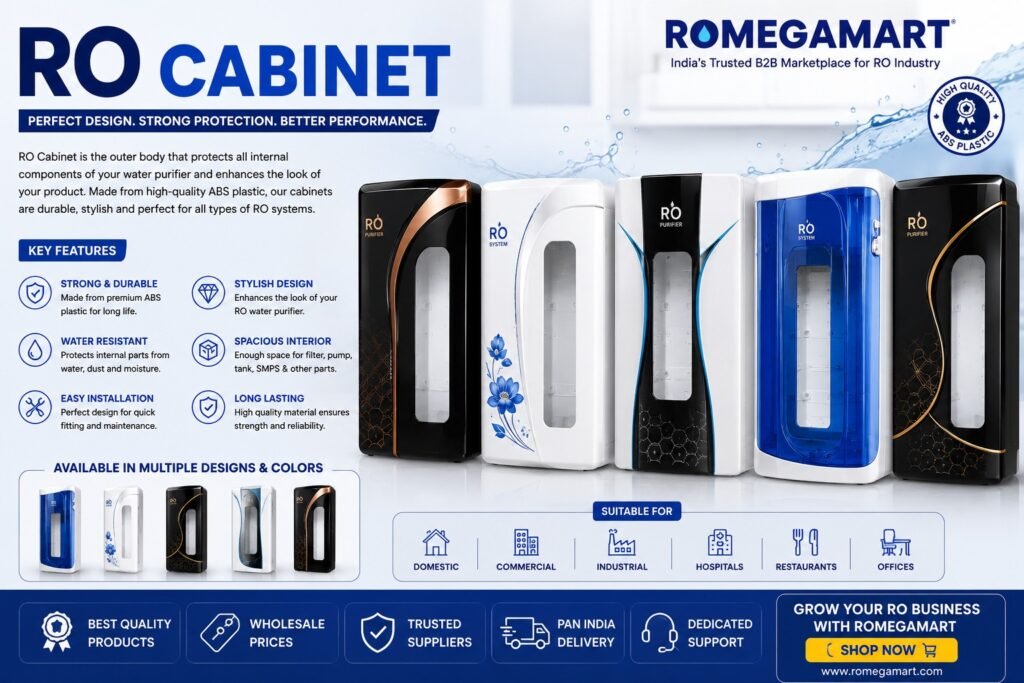
An RO cabinet protects the essential components of your water purifier, including the membrane, filters, booster pump, storage tank, and electrical system. Over time, regular use, environmental conditions, and lack of maintenance can lead to various cabinet-related issues. Ignoring these problems can reduce the lifespan of your purifier and increase maintenance costs.
In this guide, we’ll discuss the most common RO cabinet problems, their causes, and practical solutions to help homeowners, RO technicians, dealers, and service engineers keep their water purifiers in excellent condition.
Why RO Cabinet Maintenance is Important
Many people focus only on replacing filters and membranes, but maintaining the cabinet is equally important. A damaged cabinet can expose internal components to dust, moisture, insects, and accidental damage.
Benefits of Proper Cabinet Maintenance
- Protects expensive internal components
- Increases purifier lifespan
- Improves appearance
- Reduces repair costs
- Ensures safe operation
- Makes servicing easier
Regular inspection and maintenance help avoid costly repairs in the future.
Problem 1: Cracked or Broken RO Cabinet
One of the most common issues is cracks in the cabinet body.
Causes
- Accidental impact
- Poor-quality plastic
- Aging material
- Improper installation
- Excessive weight on the purifier
Solution
- Replace damaged cabinet panels.
- Use premium ABS plastic cabinets for better durability.
- Avoid placing heavy objects on the purifier.
- Ensure proper wall mounting during installation.
Problem 2: Water Leakage from the Cabinet
Water leakage is a serious issue that can damage electrical components.
Causes
- Loose pipe connections
- Damaged fittings
- Cracked storage tank
- Worn-out O-rings
- Faulty float valve
Solution
- Tighten all pipe connections.
- Replace damaged connectors and seals.
- Inspect the storage tank for cracks.
- Replace faulty valves immediately.
- Schedule regular servicing.
Problem 3: Cabinet Color Fading
Over time, cabinet colors may become dull or faded.
Causes
- Direct sunlight
- Low-quality printing
- Harsh cleaning chemicals
- UV exposure
Solution
- Install the purifier away from direct sunlight.
- Use UV-resistant cabinets.
- Clean with a soft cloth and mild cleaner.
- Avoid abrasive chemicals.
Problem 4: Loose Cabinet Door or Front Cover
A loose front panel can make servicing difficult and reduce the purifier’s appearance.
Causes
- Worn hinges
- Broken clips
- Loose screws
- Poor-quality plastic
Solution
- Tighten loose screws.
- Replace broken clips.
- Install a new front cover if required.
- Use genuine spare parts for replacements.
Problem 5: Difficulty Opening the Cabinet
Sometimes the cabinet becomes difficult to open during maintenance.
Causes
- Misaligned panels
- Damaged locking clips
- Dirt buildup
- Incorrect installation
Solution
- Clean the locking mechanism.
- Replace damaged clips.
- Reinstall the cabinet correctly.
- Lubricate hinges if necessary.
Problem 6: Cabinet Vibrates During Operation
Excessive vibration is usually a sign of installation or internal component issues.
Causes
- Loose mounting bracket
- Booster pump vibration
- Uneven wall mounting
- Loose screws
Solution
- Tighten all mounting hardware.
- Replace worn rubber pads.
- Secure the booster pump properly.
- Check wall stability.
Problem 7: Bad Smell Inside the Cabinet
An unpleasant odor can indicate poor hygiene or water leakage.
Causes
- Moisture buildup
- Mold growth
- Dirty storage tank
- Water leakage
Solution
- Clean the cabinet regularly.
- Sanitize the storage tank.
- Repair leaks immediately.
- Keep the cabinet dry and well-ventilated.
Problem 8: Rust on Metal Accessories
Metal brackets and screws may rust over time.
Causes
- High humidity
- Continuous water exposure
- Low-quality hardware
Solution
- Replace rusty screws with stainless steel versions.
- Keep the cabinet dry.
- Inspect hardware during regular maintenance.
Problem 9: Broken Mounting Bracket
A damaged mounting bracket can make the purifier unsafe.
Causes
- Poor installation
- Heavy load
- Corrosion
- Weak wall support
Solution
- Replace the bracket immediately.
- Use high-quality wall plugs and screws.
- Ensure proper weight distribution.
Problem 10: Poor Cabinet Quality
Low-quality cabinets often develop multiple issues within a short time.
Signs
- Thin plastic
- Poor finishing
- Weak joints
- Frequent cracks
Solution
- Upgrade to a premium ABS cabinet.
- Buy only from trusted manufacturers.
- Verify material quality before purchase.
Preventive Maintenance Tips
Regular maintenance helps avoid most cabinet-related issues.
Clean Weekly
Wipe the cabinet with a soft microfiber cloth to remove dust and stains.
Check for Leaks
Inspect water pipes and fittings every month.
Tighten Screws
Loose screws can cause vibrations and instability.
Replace Damaged Parts
Don’t delay replacing cracked panels, broken clips, or worn fittings.
Avoid Direct Sunlight
UV exposure can reduce the lifespan of plastic cabinets.
Schedule Annual Servicing
Professional servicing helps identify hidden issues before they become major problems.
Signs That Your RO Cabinet Needs Replacement
Replace your cabinet if you notice:
- Multiple cracks
- Severe discoloration
- Frequent leakage
- Broken mounting points
- Damaged storage tank support
- Loose structure
- Electrical safety concerns
Replacing the cabinet is often more cost-effective than repeated repairs.
How to Extend the Life of Your RO Cabinet
Follow these best practices:
- Choose an ABS plastic cabinet.
- Install the purifier correctly.
- Use genuine spare parts.
- Perform regular cleaning.
- Avoid excessive force when opening the cabinet.
- Protect it from heat and sunlight.
- Service the purifier on schedule.
Proper care can significantly extend the cabinet’s lifespan and improve the reliability of your RO system.
Frequently Asked Questions (FAQs)
Why does my RO cabinet crack?
Cabinets may crack due to accidental impact, poor-quality plastic, prolonged UV exposure, or aging materials.
Can I repair a cracked RO cabinet?
Small cracks may be temporarily repaired, but replacing the damaged panel or the entire cabinet is usually the safest and most reliable solution.
How often should I clean my RO cabinet?
It is recommended to clean the cabinet at least once a week and inspect it monthly for signs of damage or leakage.
Which material is best for an RO cabinet?
ABS plastic is considered the best option because it is durable, lightweight, water-resistant, and has a premium finish.
Should I replace the entire cabinet if only one part is damaged?
Not always. If only the front cover, side panel, or accessories are damaged, replacing those parts may be sufficient. However, if the cabinet structure is compromised, replacing the entire cabinet is recommended.
Conclusion
The RO cabinet plays a critical role in protecting your water purifier and maintaining its performance. Common issues such as cracks, leaks, loose panels, or fading can often be prevented with regular maintenance and by choosing high-quality materials like ABS plastic. Promptly addressing small problems helps avoid expensive repairs and ensures your purifier continues to provide safe and clean drinking water.
Whether you’re a homeowner, technician, or RO dealer, understanding these common RO cabinet problems and their solutions will help you extend the life of your purifier and improve customer satisfaction.
Call to Action
Looking for premium RO cabinets and genuine RO spare parts? Upgrade your water purifier with durable ABS RO cabinets, quality fittings, and reliable accessories to ensure long-lasting performance and hassle-free maintenance. Explore trusted products and keep your RO system running efficiently.