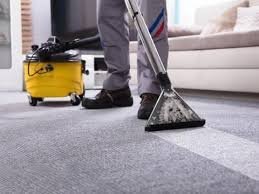

Carpets make a home or workplace feel more comfortable. They add warmth, improve the look of a room, and create a soft surface for everyday activities. However, carpets also collect dust, dirt, food crumbs, pet hair, and other particles. Over time, these materials can build up inside the fibres and make carpets look dull or smell unpleasant.
Regular vacuuming is important, but it may not remove all the dirt trapped deep inside a carpet. Professional cleaning can help refresh carpets and make them easier to maintain. One option is dry carpet cleaning, which uses specialised cleaning products and equipment with limited moisture.
Many people think professional carpet cleaning is only necessary when a carpet looks very dirty. In reality, different people and businesses can benefit from this service for several reasons. Families with children, pet owners, office managers, landlords, and people with busy schedules may all have different cleaning needs.
Understanding who can benefit from carpet dry cleaning can help you decide whether this service is suitable for your home or workplace. It can also help you choose a cleaning method based on your carpet material, daily use, and available drying time.
Who Can Benefit from Carpet Dry Cleaning Services?
Carpet dry cleaning can be useful for people who want to refresh their carpets while limiting the amount of moisture used during the cleaning process. It may suit homes, offices, rental properties, and other spaces where long drying times can cause inconvenience. However, the right method always depends on the carpet material, its condition, and the manufacturer’s care instructions.
1. Families with Children
Families with young children often use carpeted rooms for playing, reading, and spending time together. Children may drop food, spill drinks, or bring dirt into the house after playing outside.
These everyday activities can leave marks and small particles in carpet fibres. Regular vacuuming helps, but some dirt may remain trapped below the surface.
Professional carpet dry cleaning may help families maintain cleaner carpets without introducing large amounts of water. This can be useful when a room needs to return to normal use without a long drying period.
Parents should still clean spills as soon as possible. Blotting a spill with a clean cloth is usually better than rubbing it into the fibres. For stubborn marks, professional advice can help prevent damage from unsuitable household products.
2. Pet Owners
Pets bring happiness to a home, but they can also create extra cleaning work. Dogs and cats may leave hair, muddy paw marks, food particles, and unpleasant smells on carpets.
Pet hair can collect around furniture and become trapped in carpet fibres. Regular vacuuming can reduce this buildup, but a deeper cleaning service may be needed when the carpet starts to look dirty.
Carpet dry cleaning may help remove certain types of surface dirt and pet-related residue, depending on the cleaning system used. However, pet urine can soak through the carpet and reach the backing or underlay. A standard dry-cleaning process may not be enough to remove deeply absorbed urine or its smell.
Tell the cleaning professional about pet accidents before the service begins. They can inspect the affected area and explain whether dry cleaning or another treatment is more suitable.
3. People with Busy Work Schedules
Some people have very little free time because of work, family responsibilities, and daily activities. They may find it difficult to wait several hours or longer for carpets to dry after cleaning.
A low-moisture dry-cleaning method may be helpful in situations where reducing drying time is important. Depending on the system and carpet condition, the area may be ready for use sooner than after a traditional wet-cleaning process.
This can make carpet dry cleaning a practical option for people who want to maintain their carpets without making major changes to their daily routine.
Before booking, ask how long the cleaning process and drying period are expected to take. Drying times can vary depending on the method, room conditions, and carpet material.
4. People Living in Small Homes or Apartments
Small homes and apartments often have limited space. When carpets are wet, it may be difficult to avoid walking over them or moving furniture into other rooms.
Low-moisture cleaning can be useful when there is not much space available for drying or storing furniture. It may also reduce disruption in rooms that are used throughout the day.
However, the carpet still needs enough time to settle and dry according to the cleaning professional’s instructions. Do not assume that every dry-cleaning method leaves a carpet ready for immediate use.
5. Office Owners and Managers
Offices receive regular foot traffic from employees, visitors, and customers. Shoes can carry dust and dirt into the building, especially around entrances, corridors, and reception areas.
A dirty carpet can affect the overall appearance of an office. It may also make the workplace feel less organised and comfortable.
Professional carpet dry cleaning may suit offices that need regular maintenance while keeping disruption to a minimum. Since the process often uses less moisture, it may be easier to plan around working hours.
Office managers should consider cleaning high-traffic areas more frequently than rooms that receive little use. A planned maintenance schedule can help prevent dirt from building up over time.
6. Landlords and Property Managers
Rental properties need regular care between tenants. Carpets may collect dust, food stains, and marks during a tenancy. Cleaning them before a new tenant moves in can help improve the property’s overall presentation.
Carpet dry cleaning may be suitable when the carpet needs refreshing and there is limited time before the next tenant arrives. The cleaning method should be selected according to the carpet material and the level of dirt.
Landlords and property managers should inspect carpets before arranging a service. If the carpet has water damage, deep stains, or strong odours, a different treatment may be needed.
It is also useful to keep records of cleaning work and any existing carpet damage. This makes it easier to understand the condition of the flooring over time.
7. People with Delicate or Moisture-Sensitive Carpets
Some carpets require more careful treatment than others. Natural fibres, handmade rugs, and certain delicate materials may not respond well to excessive moisture or strong cleaning products.
A professional may recommend a low-moisture or dry-cleaning method when it is suitable for the specific carpet. This can help reduce the amount of water used during the process.
However, not every delicate carpet should automatically be dry cleaned. Some materials require specialised care, and the manufacturer’s instructions should always be checked first.
If you have an expensive, handmade, or older carpet, ask for an inspection before cleaning begins. A careful assessment can help reduce the risk of colour changes or fibre damage.
8. Shops and Small Businesses
Shops, showrooms, and small businesses often use carpets to create a welcoming environment for customers. However, regular visitors can bring dirt into the premises throughout the day.
Cleaning during business hours may interrupt normal activities. A low-moisture process may help reduce downtime when the carpet and cleaning system are suitable.
Business owners can arrange cleaning during quieter periods or outside normal opening hours. This helps maintain the appearance of the premises while reducing inconvenience for staff and customers.
9. People Preparing for Guests or Special Events
Before hosting family gatherings, celebrations, or special events, many homeowners want their rooms to look clean and organised. Carpets are an important part of the room because guests often notice their appearance.
If your carpet has visible dirt or dull areas, professional cleaning may help improve its appearance. A dry-cleaning method can be considered when limited drying time is important.
Try to arrange the service early enough to allow for any required drying time. It is also helpful to identify stains before the appointment so the cleaning team can assess them.
What Should You Consider Before Choosing Carpet Dry Cleaning?
Carpet dry cleaning can benefit many people, but it is not the perfect solution for every carpet or cleaning problem. Before booking a service, consider the material, condition, type of dirt, and cleaning instructions. Choosing the correct method is more important than simply selecting the option that uses the least water.
1. Check Your Carpet Material
Different carpet materials have different cleaning needs. Nylon, polyester, polypropylene, wool, and handmade carpets may respond differently to cleaning products and equipment.
Some synthetic carpets may be suitable for dry cleaning, while certain natural fibres need specialised treatment. Check the manufacturer’s instructions if you have them.
If you do not know what material your carpet is made from, ask a professional to inspect it before cleaning. This can help prevent problems caused by an unsuitable method.
2. Understand How Dry Carpet Cleaning Works
Professional dry cleaning usually involves applying a specialised cleaning compound or product to the carpet. The product helps loosen dirt from the fibres, and suitable equipment is then used to remove the compound and collected soil.
Different cleaning systems work in different ways. Some use absorbent compounds, while others use specialised machines and low-moisture solutions.
The word dry does not always mean that absolutely no moisture is used. Ask the service provider to explain the process so you understand what will happen to your carpet.
3. Consider the Amount of Dirt
The condition of your carpet should help determine the cleaning method. A carpet with light surface dirt may respond well to a low-moisture process.
However, carpets with heavy soil, deep stains, or dirt trapped near the backing may need a different approach. In some cases, hot water extraction or specialised stain treatment may be more suitable.
A professional inspection can help identify the type of cleaning required. It is better to choose a method based on the actual problem than to expect one process to remove every kind of dirt.
4. Ask About Stain Removal
Different stains need different treatments. Coffee, tea, food, grease, ink, and pet accidents may react differently to cleaning products.
Some stains can be removed with suitable treatment, while others may permanently change the carpet’s colour. The age of a stain and any products previously used on it can also affect the result.
Tell the cleaning professional what caused the stain and when it happened. This information can help them decide how to treat the affected area.
5. Check the Expected Drying Time
One reason people consider carpet dry cleaning is the possibility of a shorter drying period. However, drying time depends on the cleaning method, carpet thickness, room temperature, and airflow.
Ask how long you should wait before walking on the carpet or placing furniture back in the room. Follow the instructions provided after cleaning.
Good ventilation can support drying when the cleaning system uses moisture. Avoid covering a damp carpet with rugs or placing heavy furniture on it before it is ready.
6. Compare the Service Details
Before booking, ask what is included in the cleaning service. Some services may include inspection, vacuuming, pre-treatment, cleaning, and basic stain treatment. Other treatments may have an additional cost.
You should also ask whether furniture moving is included and whether there are any extra charges for heavily stained areas.
Understanding the service details helps you plan your budget and avoid confusion. Choose a service that explains the process clearly and sets realistic expectations.
7. Maintain Your Carpet Between Professional Cleanings
Professional cleaning is only one part of carpet care. Regular maintenance helps prevent dirt from building up and can reduce the need for frequent deep cleaning.
Follow these simple habits:
- Vacuum regularly, especially in busy areas.
- Remove outdoor shoes before walking on carpets.
- Use entrance mats to collect dirt.
- Blot spills quickly with a clean cloth.
- Keep pets’ paws clean after outdoor activities.
- Follow the carpet manufacturer’s care instructions.
- Avoid using strong cleaning chemicals without checking their suitability.
These small steps can help keep your carpet looking better between professional appointments.
8. Know When Another Cleaning Method Is Better
Dry cleaning is useful in certain situations, but it may not solve every carpet problem. Deeply embedded dirt, heavy soiling, and some types of stains may require a different cleaning process.
If a carpet has been affected by flooding, persistent dampness, or a strong odour, it should be assessed carefully. Cleaning alone may not solve an underlying moisture problem.
A professional should explain whether dry cleaning is suitable or whether another method would provide better results. This helps you avoid paying for a service that does not meet your needs.
Keep Your Carpets Fresh with the Right Cleaning Choice
Professional carpet dry cleaning can be useful for families, pet owners, busy workers, office managers, landlords, and businesses that want to maintain their carpets with limited moisture. It may also suit certain delicate carpets when the material and care instructions allow it.
The most important step is choosing a method that matches your carpet’s material and condition. Regular vacuuming, quick spill treatment, and professional maintenance can all help keep carpets looking clean and comfortable.