
Reliable packaging is essential for businesses that need to protect products, maintain quality, and keep daily operations running smoothly. From small online retailers to large manufacturing facilities, companies need equipment that can seal bags consistently without slowing down production. Choosing the wrong machine can lead to weak seals, wasted packaging materials, and unnecessary operating expenses. That is why understanding available sealing technologies is a smart move for businesses looking to improve their packaging process.
An Impulse Bag Sealer offers a practical solution for sealing compatible plastic bags using controlled heat and pressure. It heats the sealing element for a short period when the sealing cycle is activated, helping bond the bag material without keeping the heating element continuously hot. For US businesses focused on value, consistency, and dependable results, an Impulse Bag Sealer can be a cost-effective option for packaging products across a range of industries.
What Is an Impulse Bag Sealer?
An Impulse Bag Sealer is a packaging device that uses a brief electrical pulse to heat a sealing element, which then bonds compatible thermoplastic materials together. After the heat cycle, the seal typically needs a short cooling period under pressure to help form a secure closure.
Unlike some continuous-heat systems, an Impulse Bag Sealer generally heats its sealing element only during the sealing cycle. This design can make it convenient for intermittent packaging operations, where an operator seals one bag at a time rather than running a continuous production line.
These machines come in different configurations, including tabletop models, handheld devices, and larger industrial systems. The right choice depends on bag material, thickness, seal length, daily production volume, and the level of automation required.
How an Impulse Bag Sealer Works
An Impulse Bag Sealer works through a straightforward process. The operator positions the open end of a compatible bag between the sealing jaws, activates the machine, and allows the heating element to apply controlled heat and pressure. The heat softens the sealable layers so they bond together.
Once the heating cycle ends, the sealing area may remain clamped briefly to cool and stabilize the bond. The operator then releases the jaws and removes the sealed package. Depending on the model, cycle timing and other settings may be adjustable.
Correct settings are essential for an Impulse Bag Sealer to deliver consistent results. Too little heat may create a weak or incomplete seal, while excessive heat can cause wrinkles, burn-through, or damage to the packaging film. Material type, film thickness, and machine specifications should guide the settings.
Businesses should test representative bags before starting full production. This simple step helps operators establish suitable settings, reduce rejected packages, and avoid wasting materials during routine operations.
Key Benefits of an Impulse Bag Sealer
One major advantage of an Impulse Bag Sealer is its relatively simple operating process. Many models are easy to learn, making them suitable for businesses that need straightforward packaging equipment without a complicated setup. Operators can often seal compatible bags quickly after receiving appropriate training.
Another benefit of an Impulse Bag Sealer is that the heating element typically operates only during the sealing cycle. This can reduce unnecessary heating between cycles, although actual energy use depends on the machine, operating frequency, and power rating.
Consistent sealing can also help reduce packaging waste. When the equipment is correctly selected and maintained, businesses may experience fewer defective seals and less rework. For companies operating on tight margins, minimizing wasted bags and labor can improve overall packaging efficiency.
An Impulse Bag Sealer can also provide flexibility for different package sizes when the sealing bar and machine design support the required dimensions. However, not every model handles every material, so compatibility should always be confirmed before purchase.
Impulse Heat Sealing Machine: What to Know
An Impulse heat sealing machine uses a controlled heating cycle to bond suitable thermoplastic packaging materials. It is commonly used for applications where bags need a secure closure without the need for a continuous sealing process.
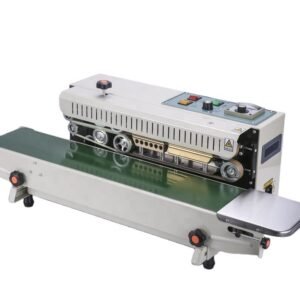
When comparing an Impulse Bag Sealer with other sealing technologies, businesses should consider the materials being packaged, required seal quality, production speed, and operating environment. Impulse systems can be useful for intermittent packaging, while continuous band sealers may be better suited to high-volume operations that require bags to move through a steady sealing process.
The best equipment depends on the job at hand. A small business sealing a few hundred bags per day may have different requirements from a manufacturer processing thousands of packages per shift. Matching the machine to actual production needs can help avoid overspending or purchasing equipment that cannot keep up.
Plastic Bag Sealing Equipment for Different Applications
Plastic bag sealing equipment includes machines designed to close bags made from compatible plastic films and other heat-sealable materials. Depending on the model, equipment may be used for retail goods, hardware, textiles, components, food-related packaging, or general manufacturing supplies.
An Impulse Bag Sealer can be useful when products need a simple, reliable closure and the bag material is compatible with impulse sealing. Businesses should review film composition, thickness, and the manufacturer’s recommendations before choosing a machine.
For food-related applications, businesses must also consider applicable food-contact requirements and suitable packaging materials. Sealing a bag does not automatically make the contents safe for long-term storage or eliminate the need for proper handling and storage conditions.
For medical or pharmaceutical packaging, additional requirements may apply. An ordinary Impulse Bag Sealer should not be assumed suitable for sterile medical device packaging without confirming the equipment, packaging materials, process controls, and validation requirements for the intended use.
Tabletop Impulse Sealer for Small and Mid-Sized Businesses
A tabletop impulse sealer is designed to sit on a workbench or packaging station. It can be a practical option for small manufacturers, online sellers, laboratories with suitable nonregulated packaging needs, and businesses that package products in batches.
For these applications, an Impulse Bag Sealer with a tabletop design can provide convenient access and straightforward operation without requiring a large footprint. Depending on the model, businesses may choose different sealing bar lengths and capacities to accommodate their bag sizes.
Before purchasing a tabletop model, buyers should consider available workspace, daily packaging volume, bag thickness, and the maximum seal length required. A compact machine may be affordable and convenient, but it could become a bottleneck if production grows beyond its capacity.
Businesses should also check replacement parts availability, warranty coverage, and maintenance requirements. These details can affect the machine’s long-term value just as much as its initial purchase price.
Industrial Bag Sealing Machine for Higher Production Volumes
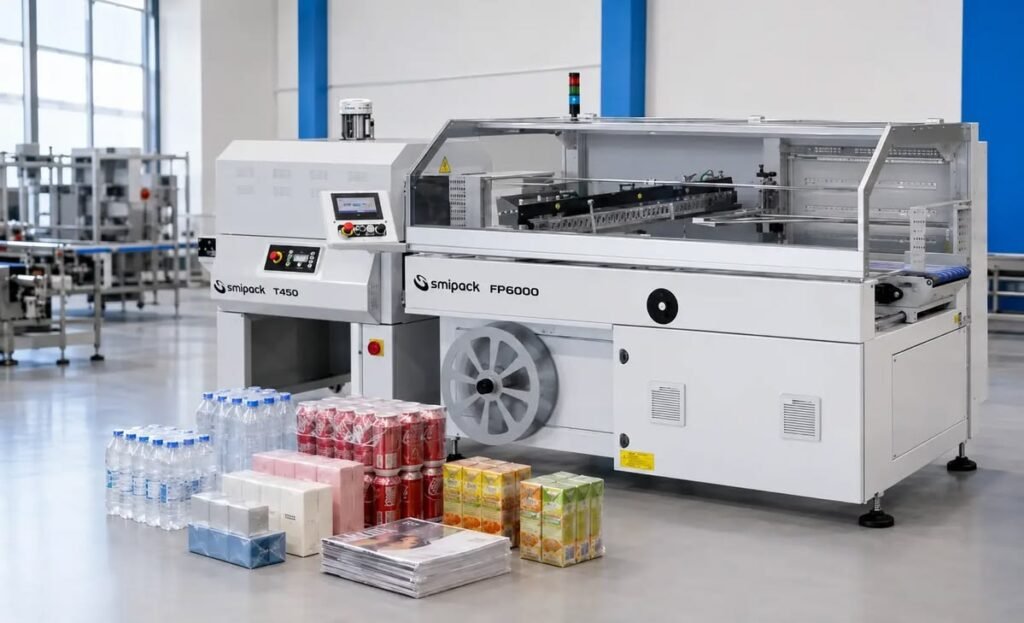
An industrial bag sealing machine is intended for demanding packaging environments where durability, output, and repeatability are important. Some industrial systems are built for frequent operation, wider bags, or integration with production workflows.
An industrial Impulse Bag Sealer may suit businesses that need a robust machine for repeated batch sealing. Depending on the model, features may include longer sealing bars, adjustable controls, stronger construction, or specialized sealing configurations.
Companies should evaluate their actual output requirements before investing in industrial equipment. Production capacity depends on factors such as bag dimensions, operator handling time, material characteristics, cooling time, and the machine’s duty cycle.
A machine with higher capacity may cost more upfront, but it can provide better value when it meets a genuine production need. On the other hand, buying an oversized system for low-volume work may tie up budget that could be used more effectively elsewhere.
Handheld Bag Sealer: Is It the Right Choice?
A handheld bag sealer is a compact option designed for certain small-scale or specialized sealing tasks. Depending on the design, it may be used for closing compatible bags in settings where portability or access to awkward package shapes matters.
Compared with a standard Impulse Bag Sealer that uses a fixed sealing bar, handheld equipment may offer more flexibility for specific applications. However, its performance depends on the device’s design, the packaging material, and the operator’s technique.
Businesses should not assume that every handheld sealer can produce the same seal quality or handle the same film thickness as a tabletop or industrial unit. Before purchasing, test the device with the intended bags and check whether it can create a seal that meets the application’s requirements.
For frequent production work, a fixed machine may offer better consistency and ergonomics. For occasional tasks, a handheld option may be worth considering if it meets the required sealing specifications.
How to Choose the Right Impulse Bag Sealer
Choosing an Impulse Bag Sealer starts with identifying the materials and bag sizes used in daily operations. Consider whether the bags are made from polyethylene, polypropylene, laminated films, or other compatible materials. Not all films respond to heat in the same way, so compatibility should be verified with the manufacturer.
Next, determine the required sealing length and bag thickness. A machine with a sealing bar that is too short may not accommodate the package, while an unsuitable heating cycle may damage thicker or multilayer materials.
Production volume is another key factor. Businesses that package products intermittently may benefit from a simple tabletop unit, while higher-volume operations may require industrial equipment or a more automated workflow.
When evaluating an Impulse Bag Sealer, also review temperature or timer controls, build quality, operator safety features, replacement sealing elements, and technical support. Clear specifications and accessible service can help reduce downtime and improve the value of the investment.
Understanding Impulse Bag Sealer Costs
The cost of an Impulse Bag Sealer depends on its size, sealing length, construction, controls, intended duty cycle, and additional features. Compact tabletop units generally require a smaller investment than specialized industrial systems, although prices vary by manufacturer and specification.
Businesses should look beyond the upfront price when comparing options. The total cost of an Impulse Bag Sealer may include replacement heating elements, sealing strips, maintenance, electricity, operator training, and downtime. These factors help determine whether the machine offers good value over time.
Request a detailed quotation that identifies the model, included accessories, warranty terms, spare parts availability, and any service charges. If possible, ask the supplier to demonstrate the equipment using your actual bags. A short trial can reveal compatibility problems before a purchase is finalized.
For price-conscious buyers, the best choice is not necessarily the cheapest machine. An Impulse Bag Sealer that consistently produces acceptable seals and receives reliable support may cost less over its useful life than a lower-priced model that creates frequent defects.
Common Mistakes to Avoid
One common mistake when using an Impulse Bag Sealer is choosing settings without testing the packaging material. A timer setting that works for one film may not work for another, even if the bags look similar.
Another mistake is failing to maintain the sealing area. Damaged or worn sealing strips, contaminated surfaces, and deteriorated components can affect seal quality. Regular inspection and maintenance according to the manufacturer’s instructions help keep the equipment performing as intended.
Businesses should also avoid relying only on the appearance of a seal when the application requires more rigorous quality checks. Depending on the product, suitable inspection or testing may be needed to verify that the seal meets defined requirements.
Finally, do not overlook operator training. Staff should understand how to position bags correctly, use appropriate settings, follow safety instructions, and recognize defective seals. Good operating practices help an Impulse Bag Sealer deliver more consistent results while reducing avoidable waste.
Working With vander stahl on Packaging Solutions
Businesses researching packaging equipment may encounter vander stahl while exploring potential suppliers and packaging solutions. Before choosing any supplier, companies should confirm its current product range, technical capabilities, and service offerings relevant to their specific requirements.
When comparing an Impulse Bag Sealer, ask about supported materials, sealing bar dimensions, operating settings, maintenance needs, warranty coverage, and the availability of replacement parts. If demonstrations or sample trials are offered, use them to verify that the equipment performs well with the bags used in your operation.
Businesses should also distinguish between general packaging equipment and machinery intended for specialized applications. Medical, pharmaceutical, or other regulated uses may require documented process controls and validation beyond what an ordinary bag sealer provides.
A transparent supplier relationship makes it easier to compare equipment based on actual performance rather than marketing claims. Reviewing specifications, support arrangements, and total operating costs can help businesses make a confident purchasing decision.
Conclusion: Make a Smarter Packaging Investment
An Impulse Bag Sealer can be a practical addition to packaging operations that require secure closures for compatible bags. From small businesses using tabletop equipment to manufacturers evaluating industrial systems, the right machine can support consistent sealing, reduce avoidable waste, and simplify everyday workflows.
The key is to match the equipment to the packaging material, bag dimensions, production volume, and quality requirements. Buyers should compare technical specifications, maintenance needs, supplier support, and total ownership costs before making a decision.
By testing materials, training operators, and maintaining the equipment properly, businesses can improve packaging consistency and get more value from their investment. Whether you need an impulse heat sealing machine, plastic bag sealing equipment, or an industrial bag sealing machine, choosing the right Impulse Bag Sealer starts with understanding your real production needs.