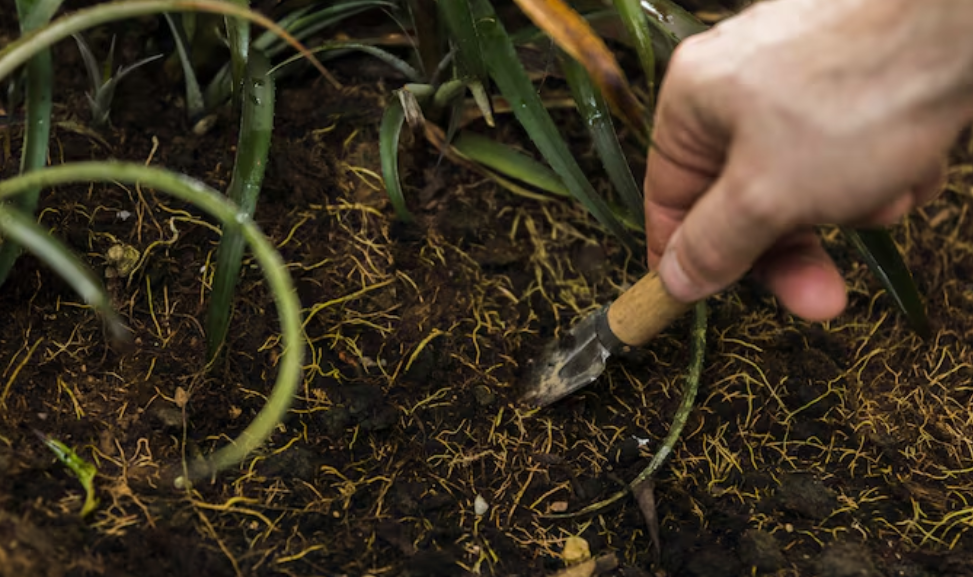

A healthy, green, and attractive lawn requires more than regular mowing and watering. Over time, soil can become compacted, grass can become thin, and bare patches may develop due to changing weather conditions, heavy foot traffic, and natural wear. Maintaining a beautiful lawn requires proper care that supports healthy root development and encourages fresh grass growth. Two effective lawn care techniques that work particularly well together are core aeration and overseeding.
Combining these treatments can improve soil conditions, strengthen existing grass, and create an environment where new grass seeds can grow successfully. Whether a lawn has become patchy, looks dull, or simply needs seasonal maintenance, these services can help restore its appearance and improve its long-term health.
Understanding Core Aeration
Core aeration is a lawn care process that removes small plugs of soil from the ground. These plugs create openings that allow air, water, and nutrients to move more easily through the soil and reach grass roots. Soil compaction is a common problem, especially in lawns that experience frequent foot traffic, outdoor activities, or regular equipment use.
When soil becomes compacted, grass roots may struggle to expand and absorb the resources they need. Water may run off instead of soaking into the ground, while fertilizers and other nutrients may have difficulty reaching deeper soil layers. Core aeration helps address these challenges by creating pathways through compacted soil.
The process typically involves specialized equipment equipped with hollow tines that extract small soil cores. These openings gradually help improve soil structure and provide better conditions for root development. The removed soil plugs are generally left on the lawn, where they naturally break down and return organic material to the soil.
Why Overseeding Is Important
Overseeding involves spreading new grass seed over an existing lawn without completely replacing the established grass. It is an effective way to improve lawn density, fill thin areas, and introduce healthier grass varieties.
As lawns age, individual grass plants may weaken or disappear because of environmental stress, disease, insufficient sunlight, or inconsistent maintenance. This can leave visible gaps that affect the lawn’s overall appearance. Overseeding introduces new grass plants that help fill these spaces and create a thicker, more uniform surface.
New grass growth can also improve the lawn’s ability to compete with unwanted weeds. A dense lawn leaves less available space for weed seeds to establish themselves. Choosing an appropriate grass seed variety is important because different types of grass perform better under different soil, sunlight, and climate conditions.
How Core Aeration and Overseeding Work Together
Although aeration and overseeding offer individual benefits, combining them can produce even better results. Core aeration prepares the soil, while overseeding introduces new grass seed. Together, these treatments address both soil conditions and lawn density.
During core aeration, the small openings created in the soil provide additional opportunities for grass seeds to make contact with the ground. Better seed-to-soil contact is important because it helps seeds absorb moisture and establish roots.
Professional core aeration and overseeding can be particularly beneficial for lawns that have become thin, compacted, or uneven. Aeration improves the growing environment, while overseeding encourages fresh grass development. This combination supports healthier growth and helps improve the lawn’s overall appearance.
Another advantage is that these treatments can complement an existing lawn maintenance program. When combined with proper watering, mowing, and fertilization, they can contribute to stronger grass and more consistent coverage.
Signs Your Lawn Needs Aeration and Overseeding
Recognizing lawn problems early can help prevent them from becoming more difficult to manage. Several common signs indicate that a property may benefit from these treatments.
One noticeable sign is thinning grass. If certain areas appear less dense than others, overseeding may help restore coverage. Bare patches can develop because of foot traffic, environmental stress, or aging grass.
Another indication is hard or compacted soil. If the ground feels unusually firm or water collects on the surface instead of soaking into the soil, aeration may be necessary. Compacted soil can prevent roots from receiving adequate oxygen and moisture.
Poor grass growth is another concern. If a lawn does not respond well to regular watering and fertilization, the problem may involve restricted soil conditions. Aeration can improve access to essential resources and support healthier root development.
Finally, an increase in weeds may indicate that the lawn has insufficient grass coverage. Overseeding can help create a thicker lawn that leaves fewer opportunities for weeds to grow.
The Best Time to Schedule Lawn Aeration and Overseeding
Timing plays an important role in achieving successful lawn care results. The ideal season depends on the existing grass type and local climate.
Cool-season grasses generally respond well to aeration and overseeding during early fall. Soil temperatures remain warm enough to support seed germination, while cooler air temperatures reduce stress on developing grass. Early spring can also be suitable in certain locations.
Warm-season grasses typically benefit from aeration during late spring or early summer when they are actively growing. Overseeding requirements may vary depending on the grass variety and whether temporary seasonal color or long-term turf improvement is desired.
Scheduling these services during favorable growing conditions gives new grass seeds a better opportunity to germinate and establish strong roots.
Preparing Your Lawn for Successful Treatment
Proper preparation helps ensure that aeration and overseeding deliver the best possible results. Before scheduling treatment, homeowners should consider mowing the lawn to an appropriate height. Shorter grass can make it easier for seed to reach the soil.
The lawn should also receive adequate moisture before aeration. Slightly moist soil allows aeration equipment to penetrate more effectively and extract consistent soil plugs. However, excessively wet ground should be avoided because it can interfere with the process.
Removing large debris, branches, and other obstacles also helps create a more suitable working environment. After treatment, following recommended watering instructions is especially important because newly planted seeds require consistent moisture to germinate.
Maintaining Your Lawn After Treatment
Post-treatment maintenance is essential for protecting new grass growth. Watering is one of the most important responsibilities after overseeding. The soil surface should remain consistently moist during the germination period without becoming waterlogged.
Mowing should be delayed until new grass reaches an appropriate height and becomes established. Cutting too early can damage young seedlings or interfere with their development.
Homeowners should also limit heavy foot traffic during the initial growing period. Giving new grass enough time to develop allows roots to establish and improves the likelihood of successful growth.
Fertilization may also support recovery and development when the appropriate products and application schedule are selected. A balanced lawn care plan should consider soil conditions, grass variety, and seasonal requirements.
Choosing Professional Lawn Care Services
Achieving consistent lawn improvement requires knowledge, proper equipment, and attention to detail. Professional lawn care providers understand how soil conditions, grass varieties, and seasonal changes influence treatment results.
Experienced technicians can evaluate the lawn, identify areas that need attention, and recommend suitable aeration and seeding methods. They can also help select grass seed varieties that match the property’s growing conditions.
Investing in professional lawn aeration and overseeding can save time while providing a more organized approach to lawn improvement. Proper equipment and application techniques help ensure that treatments are performed consistently across the property.
Build a Healthier and Thicker Lawn
A beautiful lawn begins with healthy soil and strong grass roots. Combining core aeration and overseeding is an effective approach to improving compacted soil, filling thin areas, and encouraging fresh grass growth. These treatments work together to create better growing conditions while supporting the long-term appearance and health of the lawn.
With proper scheduling, quality seed, consistent watering, and ongoing maintenance, homeowners can enjoy a greener and more attractive outdoor space. Investing in regular lawn aeration and overseeding helps create a strong foundation for a healthier lawn that can better withstand everyday use and changing environmental conditions.