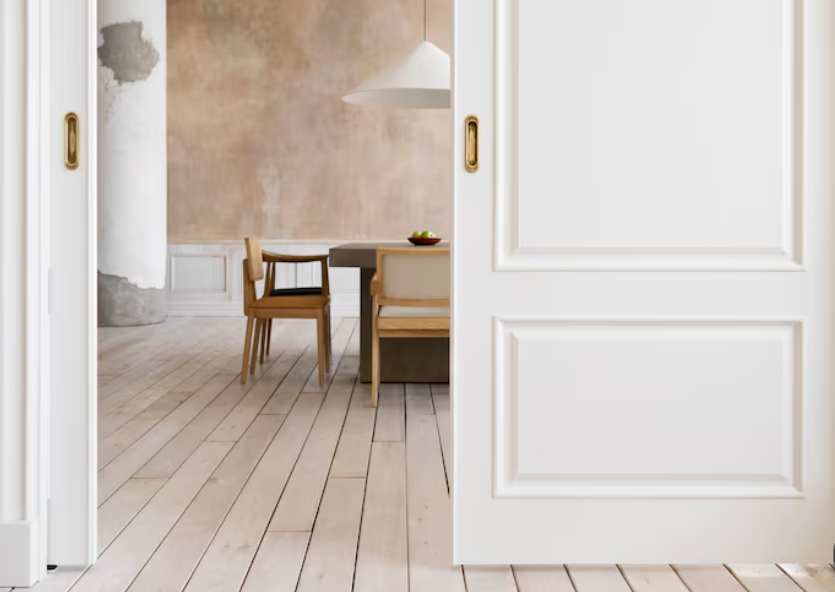

Interior design is about creating a comfortable, attractive, and cohesive living environment. While homeowners often focus on flooring, wall colors, furniture, and lighting, smaller architectural details can make an equally important difference. Door frames and surrounding trim are excellent examples of features that can improve the appearance of an entire room. Choosing the right doorway casing and coordinating it with attractive interior door trim styles can add character, elegance, and visual consistency throughout a home.
Door trim serves both decorative and practical purposes. It creates a finished transition between the door frame and the surrounding wall while helping protect exposed edges from everyday wear. With different materials, profiles, colors, and designs available, homeowners can select trim that complements their architectural preferences and overall decorating goals.
Understanding Doorway Casing
Doorway casing is the decorative molding installed around a door opening. It covers the small gaps between the door jamb and the drywall, creating a clean and polished appearance. Although it may seem like a minor feature, casing can significantly influence how a doorway looks and how it connects with the surrounding interior.
Traditional homes often feature detailed casing with decorative edges, raised profiles, and layered molding. Modern interiors typically use simpler designs with smooth surfaces and straight lines. The right selection depends on the home’s architectural style, room proportions, and personal preferences.
When choosing doorway casing, homeowners should consider its width, thickness, material, and finish. Wider casing can create a bold architectural statement, while narrow trim offers a subtle appearance. The goal is to select a design that complements the door without overwhelming the surrounding space.
Popular Interior Door Trim Styles
There are numerous interior door trim styles available, ranging from traditional decorative designs to contemporary minimalist options. Understanding the differences can help homeowners make decisions that improve the appearance of their interiors.
Traditional Door Trim
Traditional trim features decorative profiles, curved edges, and detailed molding. These designs work particularly well in classic homes, formal living rooms, and spaces with traditional architectural elements. They can add sophistication and create a timeless appearance.
Craftsman Door Trim
Craftsman trim is recognized for its straightforward construction, clean lines, and substantial proportions. It often includes wider side casings and a prominent horizontal header. This style works well in Craftsman, bungalow, farmhouse, and transitional interiors.
Modern Flat Trim
Modern flat trim offers a simple appearance with smooth surfaces and minimal decorative detailing. It is an excellent choice for contemporary homes where clean lines and uncluttered spaces are important. Flat casing can also complement modern furniture, neutral color palettes, and minimalist architectural features.
Colonial Door Trim
Colonial trim commonly includes decorative profiles and symmetrical molding details. It is suitable for homeowners who appreciate traditional architecture and want their doorways to maintain a consistent classic appearance.
Minimalist Door Trim
Minimalist designs emphasize simplicity and subtle transitions. Some options feature narrow profiles or recessed installations that allow the doorway to blend naturally with the surrounding wall. These designs are especially popular in contemporary spaces.
Choosing the Right Materials
Material selection is an important part of planning a door trim project. Different materials offer unique advantages in terms of appearance, durability, maintenance, and cost.
Wood remains a popular choice because of its natural texture and versatility. Solid wood trim can be stained to highlight its grain or painted to coordinate with the room. It is available in several species, making it suitable for both traditional and modern designs.
Medium-density fiberboard, commonly known as MDF, is another practical option. It provides a smooth surface that works particularly well with painted finishes. MDF is often selected for its consistent appearance and ability to accommodate detailed profiles.
Composite materials can also provide durability and design flexibility. They may be suitable for projects where homeowners want an attractive finish with specific maintenance requirements.
Before selecting a material, consider the room’s moisture levels, expected usage, and desired finish. Bathrooms, kitchens, and other moisture-prone areas may require materials specifically designed for those conditions.
Coordinating Door Trim With Interior Design
A successful trim installation should complement the surrounding interior rather than appear disconnected from it. Consider the colors, textures, and architectural details already present throughout the home.
White trim remains a popular option because it creates a clean contrast against many wall colors. It works especially well with light-colored walls, neutral interiors, and traditional architectural designs.
Dark trim can create a dramatic appearance and highlight door openings. Black, charcoal, and deep brown finishes can complement modern interiors, particularly when paired with matching hardware and other dark accents.
Natural wood finishes bring warmth and texture into a room. They are suitable for homes featuring hardwood flooring, wooden furniture, exposed beams, or rustic decorative elements.
Consistency is another important consideration. Using complementary trim profiles throughout connected rooms can create a unified appearance. However, homeowners do not necessarily need identical designs in every area. Different rooms can feature variations while maintaining a consistent overall design language.
The Importance of Proper Measurements
Accurate measurements are essential for achieving professional-looking results. Before installing doorway casing, measure the height of the door opening, the width of the jamb, and the available wall space.
The casing should provide sufficient coverage around the door frame without interfering with nearby architectural features. Measurements should also account for uneven walls, flooring transitions, and variations in existing door openings.
Corner joints require particular attention. Many traditional trim installations use angled miter joints, while other designs use square-cut combinations with separate header pieces. The appropriate approach depends on the selected style.
Careful planning helps reduce material waste and prevents unnecessary installation adjustments. It also ensures that the finished trim looks balanced and properly aligned.
Installation Considerations
Installing door trim requires attention to detail, appropriate tools, and a clear understanding of the chosen design. The process generally begins with preparing the door opening and checking that the jamb is properly positioned.
The casing pieces are then measured, cut, and fitted around the opening. Proper alignment is important because even small measurement errors can create noticeable gaps or uneven corners.
Nails or other suitable fasteners secure the trim in place. Once installed, small holes and gaps can be filled with appropriate materials. Caulking may also be used along suitable wall joints to create a smoother transition.
The final steps usually include sanding, priming when necessary, and applying paint or stain. Taking time with these finishing details helps produce a clean and attractive result.
Homeowners who are unfamiliar with carpentry tools or detailed molding work may benefit from professional installation. Experienced installers can help ensure accurate cuts, consistent spacing, and a polished finish.
Combining Functionality With Visual Appeal
Although trim is primarily recognized for its decorative value, it also provides practical benefits. It covers installation gaps, protects vulnerable edges, and creates a finished boundary around door openings.
Well-selected doorway casing can help protect surrounding wall areas from minor impacts and everyday contact. This is particularly useful in busy hallways, family rooms, and frequently used entrances.
Similarly, carefully selected interior door trim styles can improve the visual proportions of a room. A wider casing may make a doorway feel more substantial, while a streamlined profile can help smaller spaces appear less crowded.
These details demonstrate why trim should be considered during interior renovation planning rather than treated as an afterthought.
Maintaining Your Door Trim
Regular maintenance helps preserve the appearance and condition of interior trim. Dust and dirt can collect along decorative edges, so occasional cleaning with a soft cloth helps maintain a fresh appearance.
Painted trim may eventually develop scratches, chips, or small marks. These areas can often be repaired with light sanding and matching paint. Wood trim may require additional attention depending on its finish and exposure to sunlight or moisture.
It is also helpful to inspect trim periodically for loose sections, damaged corners, or gaps around the wall. Addressing minor problems early can prevent more extensive repairs later.
Conclusion
Door trim is an important architectural detail that contributes to the overall appearance, functionality, and character of an interior. Selecting the right materials, proportions, finishes, and designs can transform ordinary door openings into attractive features that complement the entire home.
Whether homeowners prefer traditional molding, Craftsman details, modern flat profiles, or minimalist designs, there are many interior door trim styles to explore. Pairing these designs with carefully selected doorway casing creates a cohesive and polished appearance while protecting the surrounding wall and door frame.
By focusing on accurate measurements, quality materials, thoughtful coordination, and proper installation, homeowners can create beautiful doorways that remain attractive and functional for years. These seemingly small details can make a meaningful difference in creating an inviting and well-designed living space.