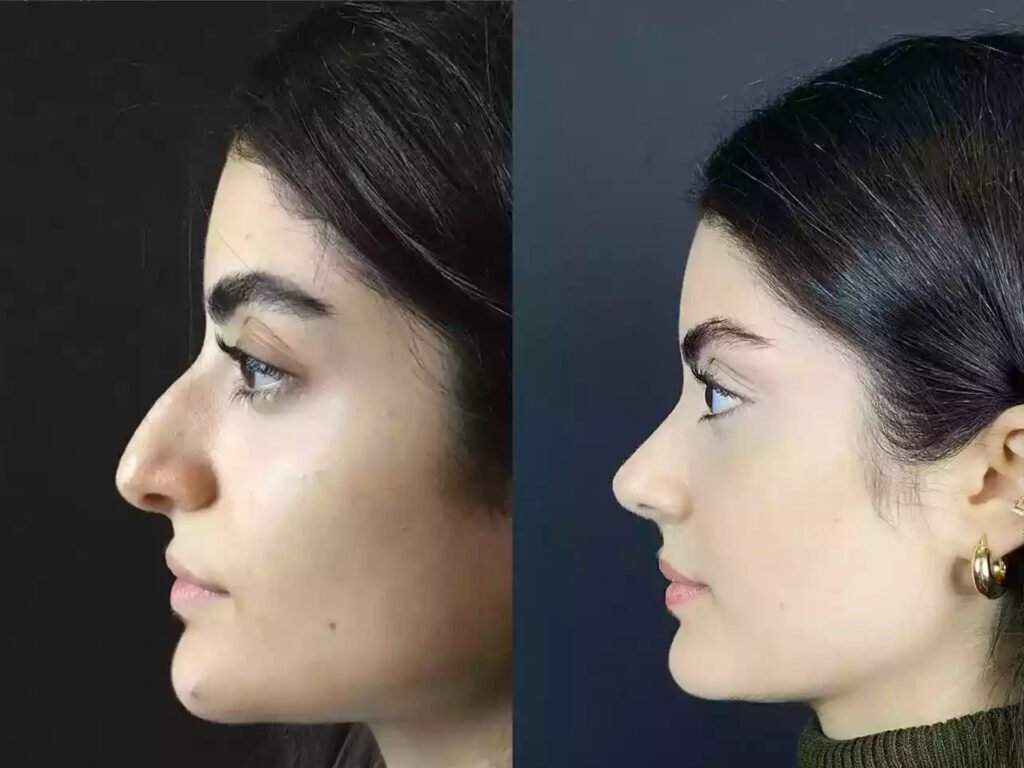

Cartilage plays an essential role in rhinoplasty because it provides structural support, helps shape the nose, and contributes to long-term surgical outcomes. Whether a patient wants to refine the nasal tip, improve the bridge, correct asymmetry, or address breathing difficulties, cartilage is an important consideration during surgical planning. In Rhinoplasty in Dubai, understanding the condition, strength, and availability of nasal cartilage helps determine the most appropriate surgical approach.
Cartilage is a flexible but supportive tissue that maintains the shape of the nose. During Rhinoplasty surgery, it may be carefully reshaped, repositioned, or supported with grafts to achieve the desired functional and aesthetic improvements. At Perfect Doctors Clinic, Dr Perfect Celebrity considers individual nasal anatomy and treatment goals when planning rhinoplasty procedures.
Understanding the Importance of Cartilage in Rhinoplasty Dubai
The nose contains cartilage in different areas, particularly around the nasal tip, nostrils, and lower portion of the nasal structure. Unlike bone, cartilage is flexible, allowing the nose to maintain its shape while providing some degree of movement.
During Rhinoplasty Dubai, cartilage helps surgeons create a balanced nasal appearance while maintaining adequate structural support. Its condition can influence how much reshaping is possible and which surgical techniques may be appropriate.
Cartilage is particularly important for:
- Supporting the nasal tip and maintaining its projection.
- Defining the shape and contour of the nostrils.
- Maintaining the stability of the nasal structure.
- Supporting the nasal passages for proper airflow.
- Improving symmetry and addressing structural irregularities.
A detailed assessment of cartilage helps determine suitable Rhinoplasty treatment options for individual patients.
How Does Cartilage Influence Nasal Shape During Rhinoplasty in Dubai?
Cartilage directly influences the appearance of different nasal features. Its thickness, flexibility, strength, and position can affect the overall shape of the nose.
Nasal Tip Definition and Projection
The lower lateral cartilages help determine the shape, width, and projection of the nasal tip. When these cartilages are naturally wide, weak, or asymmetrical, the tip may appear rounded or poorly defined.
During Rhinoplasty in Dubai, carefully planned cartilage reshaping can help refine the nasal tip. Depending on the patient’s anatomy, the surgeon may adjust existing cartilage or use additional support to improve definition.
Nasal Bridge and Structural Balance
Although the nasal bridge primarily contains bone and cartilage, cartilage can contribute to its overall structure, particularly in the middle portion of the nose.
Cartilage adjustments may help address certain irregularities and improve the transition between the upper and lower nasal structures. Maintaining appropriate support is important to achieve balanced Rhinoplasty results.
Nostril Shape and Symmetry
Cartilage also influences the shape and support of the nostrils. Differences in cartilage strength or positioning can contribute to uneven nostril contours.
Careful surgical planning may help improve symmetry while preserving the natural appearance and function of the nasal openings.
What Types of Cartilage Are Used in Rhinoplasty Procedures in Dubai?
Different cartilage sources may be considered depending on the patient’s nasal structure, surgical requirements, and available tissue.
Septal Cartilage
Septal cartilage is located inside the nose and separates the two nasal passages. It is commonly considered for grafting because it can provide useful structural support.
It may be used to strengthen the nasal tip, support the bridge, or improve specific structural concerns. Its suitability depends on how much healthy cartilage is available.
Ear Cartilage
Ear cartilage may be considered when additional graft material is required or sufficient septal cartilage is unavailable.
It is relatively flexible and can be useful for certain tip refinements and contour adjustments. However, its natural curvature means that it may not be suitable for every structural requirement.
Rib Cartilage
Rib cartilage provides a larger amount of graft material and may be considered in complex or revision procedures.
It can offer substantial structural support when the existing nasal cartilage is insufficient. However, harvesting rib cartilage involves an additional surgical site and requires careful consideration of potential complications.
The choice of cartilage depends on the patient’s anatomy, previous procedures, and desired surgical outcomes.
Why Is Cartilage Support Important for Long-Term Rhinoplasty Results?
Cartilage support is essential because the nose must maintain its shape and stability after surgery. Removing too much cartilage or weakening important structural areas can affect the final appearance and nasal function.
During Rhinoplasty procedures in Dubai, surgeons aim to balance reshaping with preservation of the supporting structures.
Adequate cartilage support may help:
- Maintain nasal tip position.
- Reduce the risk of structural weakness.
- Support the nasal airway.
- Preserve natural nasal contours.
- Improve long-term structural stability.
Patients considering Rhinoplasty before and after comparisons should understand that successful outcomes involve more than visible changes. Maintaining structural integrity is equally important.
How Does a Rhinoplasty Clinic in Dubai Assess Cartilage Before Surgery?
A comprehensive assessment helps determine the condition of the cartilage and the most appropriate surgical approach.
At a Rhinoplasty clinic in Dubai, the evaluation may include examining nasal shape, cartilage strength, skin thickness, internal nasal structures, and breathing patterns.
Dr Perfect Celebrity considers several factors when assessing patients at Perfect Doctors Clinic, including:
- Existing cartilage strength and flexibility.
- Nasal tip shape and projection.
- Septal alignment and structural support.
- Previous nasal injuries or surgeries.
- Skin thickness and tissue characteristics.
- Individual aesthetic and functional expectations.
This assessment helps establish whether existing cartilage can be reshaped or whether additional grafting may be necessary.
What Factors Influence Rhinoplasty Cost in Dubai When Cartilage Grafting Is Required?
The Rhinoplasty cost in Dubai can vary depending on the complexity of the procedure and the surgical techniques involved. Cartilage grafting may influence the overall treatment plan because it can require additional surgical steps.
Factors that may affect the cost include:
- Type and amount of cartilage required.
- Whether cartilage is taken from the septum, ear, or rib.
- Complexity of nasal reshaping.
- Whether the procedure involves primary or revision rhinoplasty.
- Surgical and facility requirements.
- Individual recovery and follow-up needs.
For patients researching treatment expenses, the estimated Rhinoplasty cost in Dubai may range from AED 23,299 to AED 30,000, depending on the procedure and individual requirements. A personalized consultation is necessary to determine the actual cost.
How Does Best Plastic Surgeon in Dubai Consider Cartilage During Surgical Planning?
Choosing the Best Plastic Surgeon in Dubai involves considering surgical experience, knowledge of nasal anatomy, and an understanding of functional and aesthetic requirements.
Cartilage management requires careful judgment because every adjustment can influence nasal support, contour, and airflow.
Dr Perfect Celebrity evaluates the existing nasal framework and determines which areas may require reshaping, preservation, or additional support. The objective is to create results that complement facial proportions without compromising important structural functions.
Researching the Best Doctors in Dubai
Patients researching the Best Doctors in Dubai should also consider the importance of individualized treatment planning and appropriate postoperative care.
Does Cartilage Affect Rhinoplasty Recovery?
Cartilage manipulation and grafting can influence the healing process following rhinoplasty. Although cartilage itself does not heal in exactly the same way as skin, surrounding tissues gradually recover and stabilize after surgery.
During Rhinoplasty recovery, patients may experience swelling, tenderness, congestion, and temporary changes in nasal sensation.
The recovery process generally involves several stages:
- First week: Swelling and bruising may be noticeable, and patients should follow postoperative instructions carefully.
- Second to fourth week: Early swelling gradually decreases, although the nose may remain sensitive.
- Following months: Nasal tissues continue healing, and the shape becomes progressively more defined.
- Long-term recovery: Final contours may take a year or longer to become fully apparent, particularly around the nasal tip.
Patients should avoid unnecessary pressure or trauma to the nose while healing. Following the surgeon’s recommendations is important for protecting the reconstructed nasal structure.
Conclusion
Cartilage is one of the most important components of successful rhinoplasty because it supports nasal shape, stability, and function. Its condition influences surgical techniques, grafting requirements, and the potential for achieving balanced results.
Whether the goal involves refining the nasal tip, improving symmetry, strengthening structural support, or addressing previous surgical changes, careful cartilage management is essential. Through individualized assessment and appropriate surgical planning, Dr Perfect Celebrity at Perfect Doctors Clinic considers both functional requirements and aesthetic goals when evaluating Rhinoplasty in Dubai.
Frequently Asked Questions
1. Why Is Cartilage Important During Rhinoplasty in Dubai?
Cartilage provides structural support to the nose and helps maintain its shape. It also influences nasal tip definition, nostril appearance, and overall stability following surgery.
2. Which Type of Cartilage Is Commonly Used in Rhinoplasty Surgery?
Septal cartilage is commonly used because it is located inside the nose and can provide useful structural support. Ear and rib cartilage may also be considered depending on individual requirements.
3. Can Cartilage Improve Nasal Tip Definition?
Yes. Carefully reshaping or supporting the lower nasal cartilage can improve tip definition, projection, and symmetry while maintaining appropriate structural support.
4. Is Cartilage Grafting Necessary for Every Rhinoplasty Procedure?
No. Many patients can achieve their desired improvements by reshaping existing nasal structures. Cartilage grafting is considered when additional support or tissue is required.
5. Can Ear Cartilage Be Used During Rhinoplasty in Dubai?
Yes. Ear cartilage may be used when additional graft material is needed, particularly for certain nasal tip refinements and structural adjustments.
6. Why Is Rib Cartilage Used in Complex Rhinoplasty Procedures?
Rib cartilage can provide a larger quantity of graft material and substantial structural support. It may be considered in revision rhinoplasty or cases involving significant cartilage deficiency.
7. Does Cartilage Affect Rhinoplasty Results?
Yes. Cartilage influences nasal shape, projection, stability, and function. Appropriate cartilage management can contribute to balanced and structurally supported results.
8. How Does Cartilage Influence Rhinoplasty Recovery?
Cartilage reshaping and grafting can affect the healing process. Swelling and tissue stabilization take time, and final nasal contours may continue developing for a year or longer.
9. Does Rhinoplasty Cost in Dubai Increase When Cartilage Grafting Is Required?
The cost may increase depending on the cartilage source, grafting complexity, and additional surgical requirements. A consultation helps establish an individualized treatment estimate.
10. How Do I Choose the Best Rhinoplasty Surgeon in Dubai for Cartilage Reshaping?
Consider the experience of the Best Rhinoplasty Surgeons in Dubai with nasal anatomy, cartilage grafting, functional preservation, and individualized surgical planning. Reviewing relevant experience and discussing expected outcomes during consultation can help patients make informed decisions.