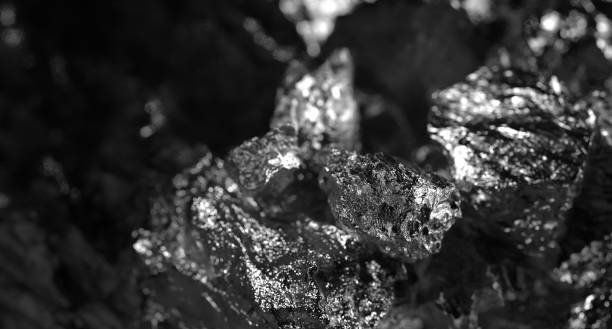

Aluminum sulfate, commonly known as alum, is an important inorganic chemical used across water treatment and several industrial processes. Its strong coagulating properties make it particularly valuable for removing suspended particles and impurities from water, while other applications extend into paper manufacturing, textiles, soil treatment, food-related processes, and chemical production.
According to the latest analysis from Vyansa Intelligence, the global aluminum sulfate market was valued at USD 1.34 billion in 2025 and is projected to reach USD 1.65 billion by 2032, representing a 3.02% CAGR from 2026 to 2032. The projected expansion reflects continued demand from municipal and industrial water treatment, alongside established applications across manufacturing and processing industries.
Water Treatment Remains a Major Application
Water and wastewater treatment represent a central application for aluminum sulfate. The chemical functions primarily as a coagulant, helping destabilize suspended particles so they can aggregate into larger flocs that can subsequently be separated through sedimentation and filtration.
The U.S. Environmental Protection Agency identifies aluminum sulfate as one of the widely used aluminum-based coagulants in water and wastewater treatment. Its supply-chain profile states that alum is used directly in primary coagulation for drinking water, municipal wastewater, and industrial wastewater treatment, as well as for source-water clarification and nutrient removal.
This broad application base provides an important foundation for aluminum sulfate demand. As water utilities and industrial facilities continue to manage water-quality requirements, reliable access to treatment chemicals remains important to maintaining treatment performance.
Coagulation Helps Remove Suspended Materials
The effectiveness of aluminum sulfate in water treatment is linked to the chemistry of coagulation and flocculation. When alum is introduced into water, aluminum species participate in reactions that help neutralize the charges associated with suspended colloidal particles. These particles can then come together to form larger aggregates.
The EPA explains that coagulation and flocculation are used to remove inorganic and organic colloidal materials from water. Aluminum sulfate is among the commonly used inorganic salts, with aluminum species contributing to charge neutralization and the formation of aluminum hydroxide that helps physically aggregate particles.
This process is particularly relevant for reducing turbidity and color. The resulting flocs can be separated during subsequent clarification and filtration stages, making aluminum sulfate an important component in conventional water-treatment systems.
Municipal Water Infrastructure Supports Demand
Municipal water treatment remains an important end-use environment for aluminum sulfate. Drinking water facilities need to remove suspended particles and other contaminants before water reaches distribution networks.
The EPA notes that alum treatment involves adding aluminum sulfate to water, where it forms a gel that bonds with particles. The resulting alum sludge can then be removed through sedimentation and filtration.
The continued operation and upgrading of water-treatment infrastructure can therefore influence demand for aluminum sulfate. Population growth, urbanization, water-quality requirements, and investments in water infrastructure can all contribute to the need for effective coagulation chemicals.
Wastewater Treatment Creates Additional Opportunities
Beyond drinking water, aluminum sulfate is used in municipal and industrial wastewater treatment. Wastewater streams can contain suspended solids, organic matter, phosphorus, and other materials that require treatment before discharge or reuse.
The EPA identifies aluminum sulfate as a chemical used in primary coagulation for municipal and industrial wastewater treatment. Aluminum-based coagulants can help aggregate particulate material, making it easier to remove through clarification and filtration.
Industrial wastewater applications can be particularly diverse because the composition of wastewater varies according to the manufacturing process. Treatment facilities may adjust chemical dosing and operating conditions according to the characteristics of the incoming water.
Paper Manufacturing Remains an Established Use
Aluminum sulfate also has a long history of use in paper manufacturing. The chemical can contribute to papermaking processes involving sizing and retention, although modern paper production uses a range of alternative and complementary chemical systems depending on the desired paper characteristics.
The EPA’s aluminum sulfate supply-chain profile identifies paper manufacturing as one of the common applications outside water treatment.
Demand from the paper industry is therefore connected with broader production trends in packaging, printing, tissue, specialty papers, and other paper-based products. Changes in paper consumption patterns can influence the industrial demand environment for aluminum sulfate.
Textile Processing Provides Another End Use
Textile manufacturing is another established application for aluminum sulfate. The chemical has historically been used in dyeing and related textile processes where chemical treatment can influence the interaction between dyes and fibers.
The EPA lists fabric dyeing among the additional uses of aluminum sulfate. Demand from this segment is influenced by textile manufacturing activity, production volumes, processing technologies, and regional industrial development.
Textile applications also demonstrate the diversity of the aluminum sulfate industry. While water treatment remains the dominant use identified by the EPA, the chemical’s industrial versatility allows it to serve multiple manufacturing processes.
Production Depends on Aluminum and Sulfuric Acid Inputs
Aluminum sulfate manufacturing is closely connected to the availability of aluminum-containing feedstocks and sulfuric acid. According to the EPA, the chemical is primarily produced through a reaction between aluminum hydroxide and sulfuric acid. Bauxite can also be used as an alternative starting material in the production process.
The resulting aluminum sulfate can be supplied as a liquid solution or processed into a dry solid or powder. The EPA notes that liquid aluminum sulfate is the more commonly sold form and that the product can be transported in bulk by truck, rail, barge, and ship.
These production and logistics characteristics make raw-material availability, energy requirements, transportation costs, and regional manufacturing capacity relevant to the industry’s operating environment.
Supply-Chain Resilience Is Becoming More Important
Water treatment chemicals are essential inputs for public and industrial infrastructure, which makes supply reliability an important consideration. Disruptions affecting chemical production, transportation, raw materials, or storage can potentially affect water-treatment operations.
The EPA maintains dedicated supply-chain profiles for water-treatment chemicals, including aluminum sulfate, examining manufacturing methods, trade, competing uses, and the risk of future supply disruptions.
This attention to supply-chain resilience highlights the importance of maintaining reliable production and distribution networks. For aluminum sulfate suppliers, proximity to major water-treatment customers and dependable access to feedstocks can support supply continuity.
Environmental Management Remains Relevant
Although aluminum sulfate is widely used in water treatment, its application needs to be managed carefully. Coagulation produces treatment residuals or sludge that require appropriate handling and disposal.
The EPA explains that alum treatment generates alum sludge as aluminum sulfate binds with particles and settles during treatment. Treatment plants therefore need suitable systems for sedimentation, filtration, residual management, and disposal.
Optimizing chemical dosage is also important. Excessive or insufficient dosing can affect treatment performance and operating costs. Water-treatment facilities may use testing and process monitoring to determine appropriate coagulation conditions based on raw-water characteristics.
Outlook for Aluminum Sulfate
Water treatment is expected to remain the central demand driver because aluminum sulfate is widely used for coagulation in drinking water, municipal wastewater, and industrial wastewater applications. Paper manufacturing, textile processing, soil amendment, and other industrial uses provide additional demand.
Future industry development will depend on water infrastructure investment, industrial activity, raw-material availability, supply-chain resilience, treatment-technology requirements, and environmental management practices. As demand for effective water treatment continues and industrial applications remain established, aluminum sulfate is positioned to retain an important role across chemical and infrastructure-related value chains.