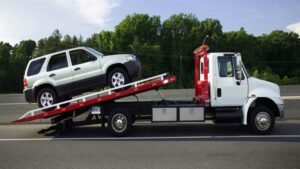
Moving a vehicle to another city can become complicated when you have a busy schedule, a long-distance relocation, or other responsibilities to handle. Driving the automobile yourself may not always be the most convenient choice, especially when the destination is far away.
Professional automobile transport services offer an alternative by allowing your vehicle to be transported separately while you make your own travel arrangements. However, the process should be planned carefully to reduce avoidable delays and make pickup and delivery easier.
From selecting the right transportation option to inspecting the vehicle after delivery, every stage deserves attention.
When Is Automobile Transportation Useful?
There is no single reason why someone may need to move a vehicle.
A person accepting a new job in another city may want to transport their car rather than drive it. A family shifting to a new state may prefer to travel by train or flight while the vehicle follows separately.
Automobile transportation can also be useful when:
- A vehicle is purchased from another city.
- A family member needs a car at another location.
- A business vehicle needs to be moved.
- The owner wants to avoid a long road trip.
- A relocation involves multiple cities.
- The vehicle needs to travel a significant distance.
The decision should ultimately depend on your schedule, route, vehicle, and transportation requirements.
First Decide Your Pickup and Delivery Points
The first step is to establish where the vehicle will start and where it needs to end.
Do not simply provide the names of two cities. Keep the complete addresses available.
You should know:
- Exact pickup location
- Exact delivery location
- Preferred pickup date
- Expected delivery requirement
- Person handing over the vehicle
- Person receiving the vehicle
If the vehicle is located in an apartment complex or gated community, check whether a large carrier can access the premises.
Give Accurate Details About Your Vehicle
The transporter needs to know what is being moved.
Provide information about:
- Vehicle make
- Vehicle model
- Registration
- Approximate condition
- Running status
- Modifications
- Special accessories
A vehicle that starts and runs normally may have different loading requirements from one that is not operational.
Being transparent about the automobile’s condition helps the transportation provider plan accordingly.
Inspect the Vehicle Before Transportation
One of the most useful steps before handing over your automobile is documenting its existing condition.
Start with a visual inspection.
Check the:
- Front and rear body
- Doors
- Bonnet
- Boot
- Side panels
- Mirrors
- Windows
- Headlights
- Taillights
- Wheels
Look for scratches, dents, cracks, paint marks, and other visible damage.
Take clear photographs in good lighting. Capture the vehicle from the front, rear, both sides, and other angles where necessary.
Keep these photographs until after delivery.
Remove Items From Inside the Automobile
The vehicle should be cleared of personal belongings before pickup.
Remove:
- Bags
- Clothing
- Electronic devices
- Documents
- Jewellery
- Important papers
- Loose objects
- Personal accessories
Check the glove compartment, centre console, boot, door pockets, and other storage spaces.
Important vehicle documents should also remain with you unless the transportation provider specifically requires them for the service.
Prepare the Vehicle Mechanically
Basic preparation can make loading and unloading easier.
Before the vehicle is collected, check:
- Tyre condition
- Battery condition
- Fuel level
- Brakes
- Visible fluid leaks
You should also inform the transporter about any known mechanical problem.
If the automobile is not in running condition, mention it before booking rather than waiting until pickup day.
Choose the Appropriate Transportation Option
The transportation method can depend on the type and value of your automobile.
Open Transportation
An open carrier transports multiple vehicles together and is commonly considered for regular cars.
It can be a practical option when your primary requirement is convenient vehicle transportation.
The automobile remains exposed to normal weather and outdoor conditions during transit.
Enclosed Transportation
Enclosed carriers provide a covered environment.
They may be considered for premium or high-value automobiles, as well as classic and vintage vehicles, when additional protection is preferred.
Before choosing a carrier, consider your vehicle’s requirements rather than automatically selecting one option.
Understand the Factors Behind the Price
Transportation charges can vary significantly between different routes and vehicles.
Several factors can influence the quotation.
Distance
The overall route length is an important consideration.
Vehicle Dimensions
The size and weight of the automobile can affect carrier space and handling.
Pickup Location
Difficult-to-access locations may require additional coordination.
Delivery Location
Similar accessibility issues can arise at the destination.
Carrier Type
Covered and open transportation options may have different costs.
Vehicle Condition
Non-running vehicles can require additional equipment or handling.
Demand
Transportation availability may vary during peak relocation periods.
Instead of relying on a generic rate, provide complete information and request a route-specific quotation.
Ask Questions Before Confirming
A quotation should be clear before you make a booking.
Ask the transportation provider about:
- Carrier type
- Pickup procedure
- Loading process
- Delivery procedure
- Estimated transit time
- Total charges
- Possible additional costs
- Payment terms
- Vehicle inspection
- Applicable protection terms
Understanding these points beforehand can reduce confusion later.
Plan the Vehicle Around Your Personal Relocation
If you are relocating, your personal travel and vehicle delivery should be coordinated.
For example, if you reach your new city several days before the car, make sure you have an alternative transportation arrangement.
If the car is expected before you arrive, arrange for someone you trust to receive it.
Also make sure that your new home has suitable parking available.
Why Choose Carbikemovers?
Carbikemovers provides vehicle transportation solutions for customers who need to move cars and bikes between locations across India.
Customers can share their vehicle details, route, and transportation requirements when planning a move.
When selecting a transportation provider, evaluate the overall service. Consider communication, pickup arrangements, carrier options, delivery coordination, pricing transparency, and applicable protection terms rather than choosing only on the basis of the lowest quotation.
What to Do on Pickup Day
Pickup day should be simple if everything has been prepared beforehand.
Make sure:
- The automobile is accessible.
- Personal belongings have been removed.
- Vehicle photographs are ready.
- The pickup address is confirmed.
- The receiver’s information is available.
- Special instructions have been communicated.
Inspect the automobile before it is loaded.
If the carrier cannot reach the original pickup location, use a nearby location that has already been agreed upon.
What to Do When the Automobile Arrives
Delivery is not complete until you have inspected the vehicle.
Check the automobile carefully and compare its condition with your pre-transport photographs.
Pay attention to:
- Body panels
- Bumpers
- Doors
- Mirrors
- Lights
- Wheels
- Tyres
- Windows
- Accessories
If you notice a concern, photograph it and communicate with the transportation provider promptly.
Mistakes That Can Complicate Vehicle Transportation
Waiting Until the Last Minute
Early planning gives you more time to arrange pickup and compare suitable options.
Giving an Incorrect Address
Confirm both pickup and delivery addresses before the vehicle is collected.
Not Mentioning Vehicle Problems
Mechanical issues should be disclosed before transportation.
Leaving Valuables Inside
Personal and valuable items should be removed before handover.
Skipping the Pre-Transport Inspection
Photographs and condition records provide a useful reference after delivery.
Focusing Only on Price
A quotation should be evaluated together with the transportation method and service terms.
Simple Automobile Transportation Checklist
Before your automobile leaves, confirm:
- Route finalized
- Pickup address confirmed
- Delivery address confirmed
- Vehicle details provided
- Vehicle condition documented
- Photographs taken
- Personal belongings removed
- Valuables removed
- Mechanical issues disclosed
- Carrier type confirmed
- Charges understood
- Pickup arranged
- Receiver informed
- Destination prepared
- Delivery inspection planned
Conclusion
Professional automobile transport can be a convenient solution for moving a vehicle when driving it yourself is not practical.
The process becomes much easier when you plan the route in advance, provide complete vehicle information, prepare the automobile properly, document its condition, understand the transportation arrangement, and coordinate the final delivery.
Whether you are relocating for employment, moving with your family, purchasing a vehicle from another city, or sending an automobile to another location, a well-organized transportation plan can help make the move simpler.
FAQs
1. How do automobile transport services work?
The vehicle is collected from an agreed pickup location, loaded onto a suitable carrier, transported toward the destination, and inspected after delivery.
2. What should I do before handing over my vehicle?
Remove personal belongings and valuables, clean the automobile, inspect it for existing damage, and take photographs before pickup.
3. Can a non-running automobile be transported?
It may be possible, but the transporter should be informed in advance because additional loading or handling arrangements may be required.
4. How is the cost of automobile transportation determined?
Distance, vehicle size, carrier type, route, accessibility, vehicle condition, and special handling requirements can all influence the quotation.
5. Why should I photograph my automobile before transportation?
Pre-transport photographs provide a visual record of the vehicle’s condition, which can be compared with its condition after delivery.