
Beekeeping Gloves: How to Choose the Right Pair for Safe Hive Handling
Beekeeping gloves protect your hands and wrists while allowing you to handle hive frames, inspect colonies, and manage beekeeping equipment. A good pair should provide comfortable coverage, a secure grip, and enough flexibility to perform delicate tasks without unnecessary restrictions.
Whether you’re starting your first backyard hive or managing several colonies, your gloves affect how confidently you handle bees. Choosing suitable materials, sizing, and cuff designs helps you balance protection with the control needed for everyday apiary work.
Why Are Beekeeping Gloves Important?
Your hands frequently come close to honeybees when lifting frames, checking brood, or removing hive covers. Defensive bees may sting exposed skin, making hand protection an important consideration.
Protective beekeeping gloves create a physical barrier between your hands and bees. Extended cuffs can also cover the wrist area where jacket sleeves meet your gloves.
However, no glove guarantees complete protection against stings. Material thickness, fit, and proper handling all influence your level of coverage.
What Types of Beekeeping Gloves Are Available?
Different materials offer varying levels of flexibility, grip, and durability.
Leather Beekeeping Gloves
Leather gloves provide durable hand coverage and are commonly used for routine hive inspections.
Goatskin is often preferred for its softness and flexibility, while thicker leather may offer a more substantial feel but reduce finger sensitivity.
Nitrile Gloves
Nitrile gloves are thin and flexible, allowing precise finger movements when handling delicate frames.
However, standard disposable nitrile gloves offer limited sting resistance and generally lack extended cuffs.
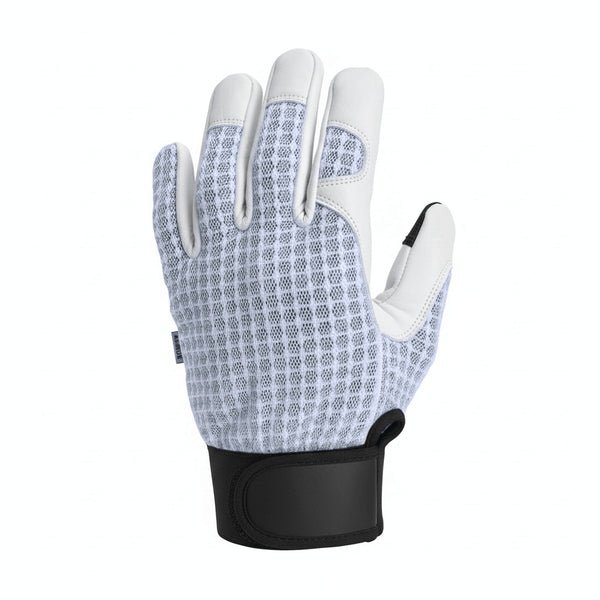
Ventilated Beekeeping Gloves
Some protective gloves combine durable palm materials with breathable fabric cuffs. These designs help balance hand coverage with comfort during warm-weather inspections.
What Features Make Beekeeping Gloves Worth Buying?
The best gloves should support everyday hive activities without making simple tasks unnecessarily difficult.
Secure Grip and Finger Movement
Handling wooden frames requires control. Gloves should allow your fingers to bend naturally while maintaining a comfortable grip.
Excessively bulky gloves can make it harder to handle delicate equipment.
Extended Wrist and Forearm Coverage
Long cuffs help cover the gap between gloves and jacket sleeves. Elastic closures can keep the material positioned during movement.
Durable Stitching
Strong seams support repeated use, especially around the fingers and palms where gloves experience regular friction.
Bee Armor offers HX01 beekeeping gloves with flexible palms, reinforced stitching, and extended cuff coverage.
How Do You Choose the Correct Glove Size?
Measure your hand circumference around the widest part of your palm, excluding your thumb.
Compare the measurement with the manufacturer’s sizing chart.
Gloves should fit securely without restricting finger movement. Oversized gloves may reduce grip control, while tight gloves can become uncomfortable during lengthy inspections.
How Can You Maintain Your Beekeeping Gloves?
Inspect your gloves before each hive visit for damaged seams, holes, or worn cuffs.
Remove dirt and debris after inspections and follow the manufacturer’s cleaning instructions.
Avoid storing damp gloves because trapped moisture can damage materials and create unpleasant odors.
Frequently Asked Questions
1. Do beginners need beekeeping gloves?
Yes. Protective gloves are particularly useful for beginners who are still learning safe hive-handling techniques.
2. Can bees sting through beekeeping gloves?
Yes. Bees may sting through thin materials, damaged areas, or gloves that press tightly against the skin.
3. Are leather gloves better than nitrile gloves?
Leather generally provides more substantial coverage, while nitrile offers greater fingertip sensitivity. The better choice depends on the task.
4. Should beekeeping gloves have long cuffs?
Extended cuffs help cover the wrists and reduce openings between gloves and protective jacket sleeves.
5. Can beekeeping gloves be washed?
Cleaning depends on the material. Leather and synthetic gloves may require different methods, so follow the manufacturer’s instructions.
6. Are thick gloves always better?
Not necessarily. Excessive thickness can reduce dexterity, making delicate frame handling more difficult.
7. When should beekeeping gloves be replaced?
Replace gloves when holes, damaged stitching, or worn protective materials can no longer provide dependable coverage.
Final Thoughts
Choosing suitable beekeeping gloves means balancing hand coverage, flexibility, grip, and comfortable sizing. Leather, nitrile, and ventilated designs offer different advantages depending on your experience and inspection routine. Prioritize secure cuffs, durable stitching, and reliable finger movement to make everyday hive management more comfortable and controlled.