

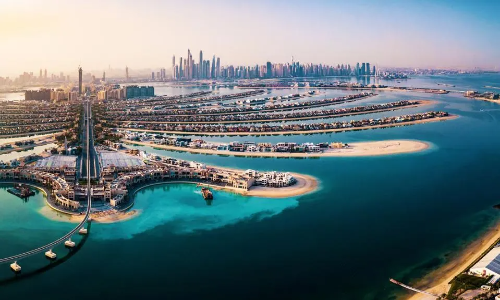

Dubai has become one of the most popular destinations for expats looking to buy apartment properties, thanks to its tax-free rental income, strong infrastructure, and welcoming ownership laws for foreign nationals. Unlike many countries where property ownership is restricted for non-citizens, Dubai allows full foreign ownership in designated freehold areas, making it accessible for expats from around the world.
If you are considering purchasing property here, understanding freehold zones, the fees involved, and the step-by-step buying process will help you move forward with confidence and avoid unexpected surprises along the way.
What Freehold Ownership Means for Expats
Freehold ownership gives the buyer complete legal ownership of the property, including full rights to sell, lease, or pass it on as inheritance. This is different from leasehold arrangements, where ownership rights are limited to a set number of years. Dubai introduced freehold ownership for foreign nationals in designated areas, opening the market to international buyers who want full control over their investment.
It is important to note that not all areas in Dubai offer freehold ownership to expats. Some zones remain restricted to UAE and GCC nationals, so confirming that a property falls within a designated freehold area is one of the first steps any expat buyer should take.
Popular Freehold Areas for Expats
Dubai offers a wide range of freehold communities, each with its own character and price range. Areas like Dubai Marina and Downtown Dubai remain popular for their central location and lifestyle amenities, while communities such as Jumeirah Village Circle, Business Bay, and Dubai Sports City offer more affordable entry points with strong rental demand. Emerging areas like Dubai Islands and Expo City have also attracted attention from expats looking for newer developments with long-term growth potential.
Choosing the right area often depends on your budget, lifestyle preferences, and whether you are buying to live in the property or purely as an investment.
Fees Involved When You Buy Apartment Properties in Dubai
Beyond the purchase price itself, buyers should budget for several additional costs. The Dubai Land Department charges a transfer fee, typically calculated as a percentage of the property’s sale price, along with an administrative fee for processing the transfer. Buyers also need to budget for the real estate agency’s commission, which is usually a percentage of the purchase price and covers the agent’s role in facilitating the transaction.
If the property is part of a building or community with shared facilities, ongoing service charges will apply, covering maintenance, security, and communal amenities. For mortgage buyers, additional costs include bank arrangement fees and property valuation fees required by the lender.
Understanding these costs upfront helps buyers set a realistic total budget rather than focusing solely on the advertised sale price.
Step-by-Step Process to Buy an Apartment in Dubai
The buying process generally follows a consistent structure, whether you are purchasing a ready property or an off-plan unit still under construction.
The first step involves identifying the right property and area based on your budget and goals, followed by conducting due diligence to confirm the seller’s ownership and check for any outstanding liabilities on the property. Once you are satisfied, both parties typically sign a Memorandum of Understanding, often called Form F, outlining the agreed price, deposit amount, and transfer timeline.
If the property has an existing mortgage, the seller must obtain a liability letter from their bank confirming the outstanding balance, since this needs to be settled during the transfer. The next step involves applying for the No Objection Certificate from the developer, confirming there are no outstanding service charges or violations tied to the unit.
With the NOC issued and mortgage arrangements settled if applicable, both parties proceed to the Dubai Land Department to complete the official transfer, where payment is made and the new title deed is issued in the buyer’s name.
Financing Options for Expat Buyers
Expats purchasing property in Dubai can access mortgage financing through several local and international banks operating in the UAE. Loan-to-value ratios and eligibility requirements vary depending on the buyer’s residency status, income, and whether the property is under construction or ready for handover. It is generally advisable to secure a mortgage pre-approval before committing to a property, since this clarifies your budget and strengthens your negotiating position with sellers.
Why Location and Developer Reputation Matter
When you buy apartment properties in Dubai, the developer’s track record can be just as important as the location itself, particularly for off-plan purchases. Established developers with a history of delivering projects on time tend to offer more predictable investment outcomes, while newer or lesser-known developers may carry additional risk in terms of construction delays or quality concerns.
Researching a community’s rental demand and long-term growth potential is equally important, especially for expats who may eventually relocate and want the flexibility to rent out their property rather than sell it.
Why Working With a Licensed Agency Simplifies the Process
Navigating freehold zones, fees, and paperwork can feel overwhelming for expats unfamiliar with Dubai’s property system. A licensed, RERA registered agency helps buyers identify suitable freehold areas, verify property documentation, and manage each step of the transaction smoothly. Takween AlDar supports expats throughout the buying journey, offering guidance on freehold communities, fee breakdowns, and the full transfer process to help ensure a transparent and well-informed purchase.
FAQ
Q: Can expats buy apartment properties anywhere in Dubai?
A: No, expats can only purchase freehold properties in designated areas approved for foreign ownership. Other zones remain restricted to UAE and GCC nationals.
Q: What fees should I budget for when buying an apartment in Dubai?
A: Buyers should account for the Dubai Land Department transfer fee, administrative charges, agency commission, and ongoing service charges, along with mortgage related fees if financing the purchase.
Q: Do expats need UAE residency to buy property in Dubai?
A: No, expats do not need UAE residency to purchase freehold property in Dubai, though certain mortgage options may vary depending on residency status.
Q: How long does the property buying process take in Dubai?
A: Timelines vary depending on whether the property has an existing mortgage or outstanding NOC requirements, but a straightforward transaction can often be completed within a few weeks.
Q: Is it better to buy a ready property or an off-plan apartment as an expat?
A: This depends on individual goals. Ready properties offer immediate use or rental income, while off-plan properties often come with flexible payment plans and potential value appreciation before completion.
Conclusion
Buy apartment in Dubai as an expat is a straightforward process once you understand freehold ownership rules, the associated fees, and the step-by-step transaction path. With careful research into location, developer reputation, and financing options, expats can make confident, well-informed property decisions. Working with an experienced team like Takween AlDar can further simplify the journey, ensuring every step, from due diligence to final transfer, is handled with clarity and professionalism.