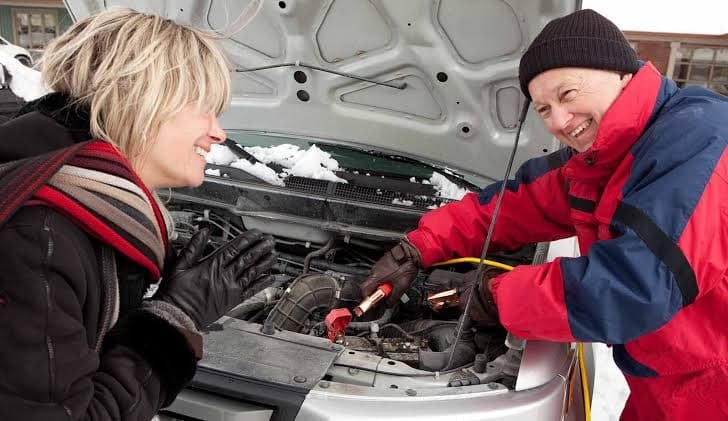

A dead car battery can interrupt your day without warning, whether you are getting ready for work, heading home, or running everyday errands. Car jump start service Allentown, PA can help drivers get back on the road when their vehicles will not start because of a weak or discharged battery. Cold weather, interior lights left on, aging batteries, and electrical problems are common reasons a vehicle may lose its starting power. Knowing what causes battery trouble and when to request roadside assistance can save time and prevent unnecessary stress. D&S Primeway Towing and Recovery LLC provides roadside assistance to drivers who need help with unexpected vehicle problems. Understanding how jump starts work can also help you make better decisions when your car refuses to start.
Common Reasons a Car Battery Dies
Car batteries supply the electrical power needed to start the engine and operate important vehicle systems. However, several everyday situations can drain their power. Leaving headlights, interior lights, or electronic accessories running while the engine is off can weaken a battery. Older batteries may also lose their ability to hold a proper charge, especially after years of regular use. Temperature changes can affect battery performance, making starting more difficult during colder months. Car jump start service can be useful when a discharged battery prevents your vehicle from starting. However, a jump start does not always mean the battery is healthy again. If the same issue happens repeatedly, the battery, alternator, and charging system may need to be inspected to identify the actual cause.
Warning Signs to Watch For
A vehicle often gives warning signs before its battery completely loses power. Drivers may notice slow engine cranking, dim headlights, flickering dashboard lights, or clicking sounds when turning the ignition key. Some modern vehicles may also display a battery warning message. These symptoms can indicate a weak battery, although electrical or starter problems can produce similar signs. When a vehicle does not respond as expected, avoid repeatedly turning the ignition because doing so may drain the remaining battery power. Car jump start service can provide assistance when a battery no longer has enough power to start the engine. Paying attention to early warning signs can help drivers arrange assistance before becoming stranded in a parking lot, driveway, or roadside location.
How Professional Jump Start Assistance Works
A jump start uses an external power source to provide enough electricity for a vehicle’s battery to start the engine. A roadside assistance professional first considers the vehicle’s condition and checks for visible signs of battery damage. The appropriate equipment is then used to connect the power source safely, following the vehicle manufacturer’s recommended procedure. Correct connection matters because incorrect handling can damage sensitive electrical components or create a safety risk. Car jump start service offers drivers a practical option when they cannot start their vehicles independently. Once the engine starts, the charging system may begin replenishing the battery, but this does not guarantee that the battery will remain reliable. A proper inspection may be necessary if the battery continues losing power.
Why Proper Equipment Matters
Modern vehicles contain electronic systems that require careful handling during roadside assistance. Using unsuitable cables, an incorrect power source, or an improper connection sequence can cause electrical problems. Professional roadside providers use appropriate equipment and follow safety procedures based on the vehicle’s requirements. Drivers should also avoid attempting a jump start if the battery case is cracked, leaking, swollen, or frozen. These conditions can create additional hazards. D&S Primeway Towing and Recovery LLC understands the importance of handling roadside battery problems carefully. Drivers should provide accurate information about their vehicle when requesting assistance, including its make, model, and location. This helps the service provider understand the situation and prepare suitable equipment for the job.
What to Do When Your Vehicle Will Not Start
If your vehicle fails to start, begin by moving away from traffic if you are in an unsafe location. Turn off unnecessary electrical accessories, such as the radio, headlights, and interior lights. Check whether the dashboard displays a warning message or whether you hear a clicking sound when attempting to start the engine. Do not continue trying to start the vehicle if you notice smoke, unusual heat, a burning smell, or visible battery damage. In these situations, professional inspection is the safer choice. Car jump start service Allentown, PA can help drivers who need roadside battery assistance without arranging an immediate trip to an automotive repair shop. When requesting help, share your exact location and explain what happens when you turn the ignition.
Ways to Reduce Future Battery Problems
Regular battery care can reduce the chances of unexpected starting problems. Drivers should have their batteries tested periodically, particularly when the battery is several years old or has shown signs of weakness. Keeping battery terminals clean and checking for corrosion can also support proper electrical connections. Make sure headlights and interior lights are switched off when leaving the vehicle. If you mostly drive short distances, consider having the charging system checked because the alternator may not have enough time to replenish the battery fully. D&S Primeway Towing and Recovery LLC helps drivers understand the importance of dependable roadside assistance when unexpected battery trouble occurs. Routine inspections and attention to early warning signs can make everyday driving less stressful and help identify problems before they leave you stranded.
Frequently Asked Questions
Q1. What is a car jump start service?
Ans. A car jump start service provides external power to help start a vehicle when its battery does not have enough charge to turn over the engine.
Q2. How long does a car jump start usually take?
Ans. The actual jump start may only take a few minutes once the vehicle and equipment are ready. Additional time may be needed for safety checks and identifying the problem.
Q3. Can a jump start fix a completely damaged battery?
Ans. No. A jump start may help a discharged battery start the engine, but it cannot repair a damaged or defective battery.
Q4. Why does my car battery keep dying?
Ans. Common causes include an aging battery, a faulty alternator, electrical problems, loose connections, or lights and accessories being left on.
Q5. Should I drive after receiving a jump start?
Ans. If the vehicle starts and there are no signs of electrical problems, follow the vehicle manufacturer’s recommendations and have the battery and charging system tested as soon as possible.
Conclusion
A dead battery can happen at an inconvenient time, but knowing what to do can make the situation easier to handle. Recognizing warning signs, understanding common battery problems, and seeking appropriate roadside assistance can help drivers avoid unnecessary delays. A jump start may restore enough power to get a vehicle running, but recurring battery trouble should never be ignored. Regular battery testing and proper vehicle maintenance can also reduce the chances of unexpected breakdowns. For drivers who experience starting problems, dependable roadside support provides a practical way to deal with an unexpected situation. Keeping basic battery maintenance in mind and knowing when to request professional help can make daily travel around Allentown more convenient and manageable.