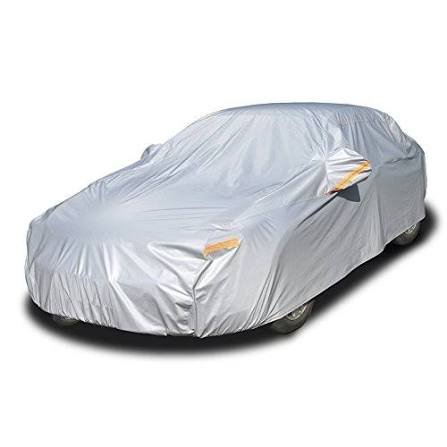

Hailstorms can cause serious damage to vehicles, leaving dents, cracked windscreens, chipped paintwork and expensive repair bills. Even a short hailstorm can turn a perfectly maintained car into a costly repair project. Investing in a hail protection car cover is a practical way to reduce the risk of weather-related damage and protect your vehicle when it is parked outdoors.
Whether you own a family car, SUV, ute or luxury vehicle, a quality hail-resistant car cover provides an additional layer of protection against unpredictable weather. Understanding how these covers work, what features to look for and how to choose the right option can help you make a more informed purchasing decision.
What Is a Hail Protection Car Cover?
A hail protection car cover is a specially designed vehicle cover that helps absorb and distribute the impact of falling hailstones. Unlike ordinary car covers, which primarily protect against dust, dirt, sunlight and light rain, hail protection covers typically feature thicker, padded or multi-layer construction.
Many models include shock-absorbing materials such as foam padding, quilted fabric or reinforced protective sections. These materials help reduce the force transferred from hailstones to the vehicle’s exterior.
Although no cover can guarantee complete protection against every hailstorm, a properly fitted and appropriately rated product can significantly reduce the risk of minor dents, paint damage and other weather-related problems.
Why Do You Need a Hail Resistant Car Cover?
Hail damage can affect almost every exposed section of a vehicle. The bonnet, roof, boot, windows and side panels are particularly vulnerable during severe storms.
Here are some important reasons to consider investing in a hail-resistant car cover.
1. Helps Prevent Expensive Dent Repairs
Large hailstones can leave multiple dents across a vehicle’s bodywork. Repairing these dents may require specialist paintless dent removal or conventional bodywork repairs. A padded hail protection cover helps absorb some of the impact, potentially reducing repair costs.
2. Protects Your Vehicle’s Paintwork
Hailstones can chip or scratch automotive paint, particularly when combined with wind-driven debris. A protective cover creates a barrier between the vehicle’s exterior and these potential hazards.
3. Provides Protection During Unexpected Storms
Weather conditions can change quickly. A portable hail protection car cover allows vehicle owners to prepare when severe weather is forecast, especially when covered parking is unavailable.
4. Helps Maintain Vehicle Appearance
Keeping a vehicle free from dents, scratches and other exterior damage helps preserve its appearance. This can also be beneficial when preparing a vehicle for resale.
Key Features to Look for in a Hail Protection Car Cover
Not all protective car covers offer the same level of performance. Before purchasing one, consider the following features.
Multi-Layer Protective Construction
Look for a cover featuring multiple protective layers. An outer weather-resistant fabric can help repel rain and dirt, while inner padding absorbs and distributes impact energy.
Thick Impact-Absorbing Padding
Padding is one of the most important features of a hail protection cover. Foam or quilted protective sections can help reduce the force of hailstones hitting vulnerable vehicle panels.
Check the manufacturer’s specifications rather than assuming that a thicker cover automatically provides better protection.
Waterproof and Weather-Resistant Materials
A quality hail protection car cover should offer suitable resistance to rain and moisture. Water-resistant outer materials help protect the vehicle from wet weather while keeping the protective layers in good condition.
Secure Fastening System
Strong straps, buckles and elastic hems help keep the cover in position during windy conditions. A loose cover can move against the paintwork, creating friction and potentially causing scratches.
Breathable Inner Lining
Breathable materials help reduce trapped moisture beneath the cover. This is important because prolonged moisture retention can contribute to paintwork problems and corrosion.
Vehicle-Specific Sizing
Choose a cover designed for your vehicle’s dimensions. A properly fitted cover provides better coverage across the roof, bonnet, windscreen and other exposed areas.
Different Types of Hail Protection Car Covers
Understanding the available options makes it easier to choose a suitable product.
Padded Hail Protection Covers
Padded covers feature protective foam or quilted sections designed to absorb hail impact. They are a popular option for drivers who regularly park outdoors and want additional protection during storms.
Multi-Layer Car Covers
Multi-layer covers combine different materials to provide protection against several environmental factors. Depending on their construction, they may offer resistance to hail, rain, dust and UV exposure.
Inflatable Hail Protection Covers
Inflatable covers use air-filled sections to create a cushioning barrier around vulnerable vehicle areas. They can offer additional impact protection, although their performance depends on the design, materials and manufacturer’s testing.
Full-Body Protective Covers
Full-body hail covers are designed to protect most of the vehicle’s exterior. They are particularly useful for cars regularly parked in open driveways, outdoor parking spaces or exposed residential areas.
How to Choose the Right Hail Protection Car Cover
Selecting the right cover involves more than comparing prices. Consider these factors before making your purchase.
Vehicle size: Check the dimensions of your car and compare them with the manufacturer’s sizing chart. A cover that is too small may leave important areas exposed.
Hail protection rating: Look for independent testing information, recommended hailstone sizes and impact-performance specifications where available.
Material quality: Choose durable outer fabric, reliable padding and a soft inner lining to protect the vehicle’s finish.
Weather resistance: Consider waterproofing, UV resistance and breathability, particularly if the cover will be used regularly.
Ease of installation: A practical design should be easy to unfold, position and secure without requiring complicated installation.
Storage options: A compact storage bag makes it easier to keep the cover in your vehicle and deploy it when severe weather is expected.
How to Use a Hail Protection Car Cover Correctly
Correct installation is essential for getting the best performance from your protective cover.
- Clean the vehicle: Remove dust, dirt and loose debris before covering your car to minimise the risk of scratches.
- Check the cover: Inspect the protective padding, straps, buckles and outer material for damage.
- Position carefully: Place the cover over the vehicle, ensuring the bonnet, roof, windscreen and other vulnerable sections are adequately covered.
- Secure all fasteners: Tighten the straps and elastic sections according to the manufacturer’s instructions.
- Check the fit: Make sure the cover is not excessively loose and cannot easily move in strong winds.
- Store it properly: Once the weather clears, remove the cover, allow it to dry if necessary and store it in a clean, dry place.
Never attempt to install or remove a cover while a severe hailstorm is actively occurring. Personal safety should always come first.
Are Hail Protection Car Covers Worth Buying?
For vehicle owners who regularly park outdoors, a hail protection car cover can be a worthwhile investment. Hail damage repairs can be expensive, and even relatively small dents may affect a vehicle’s appearance and resale value.
A protective cover offers a convenient alternative when a garage, enclosed carport or other permanent shelter is unavailable.
However, it is important to choose a product with clearly documented impact-protection capabilities. Ordinary padded car covers should not automatically be considered suitable for severe hail conditions.
For maximum protection, combine a quality hail-resistant cover with covered parking whenever possible.
Frequently Asked Questions (FAQs)
1. Does a hail protection car cover really work?
Yes. A properly designed hail protection cover can absorb and distribute some of the impact from hailstones, helping reduce the risk of dents and exterior damage. However, its effectiveness depends on its construction, fit and the severity of the storm.
2. Can a hail proof car cover protect against large hailstones?
Some specialist covers are designed and tested for larger hailstones. Always check the manufacturer’s impact-testing results and recommended protection limits. No cover should be assumed to provide complete protection against extreme hail.
3. Are hail protection car covers waterproof?
Many models feature water-resistant or waterproof outer layers. However, performance varies, so check the product specifications before purchasing.
4. Can I use a hail protection cover every day?
Yes, if the manufacturer recommends regular use. Make sure the vehicle and cover are clean and dry before installation to reduce the risk of paint scratches and trapped moisture.
5. How do I choose the correct size?
Measure your vehicle’s length, width and height, then compare these measurements with the manufacturer’s sizing guide. Choose a cover designed for your vehicle type.
Conclusion
A hail protection car cover is a practical investment for protecting your vehicle against unpredictable weather. With impact-absorbing padding, durable materials, secure fastenings and the right fit, a quality cover can help minimise hail-related damage and preserve your vehicle’s exterior.
Before purchasing, compare materials, protective construction, sizing and independently tested performance. Choosing the right hail-resistant car cover can provide additional peace of mind and help keep your vehicle looking its best throughout changing weather conditions.