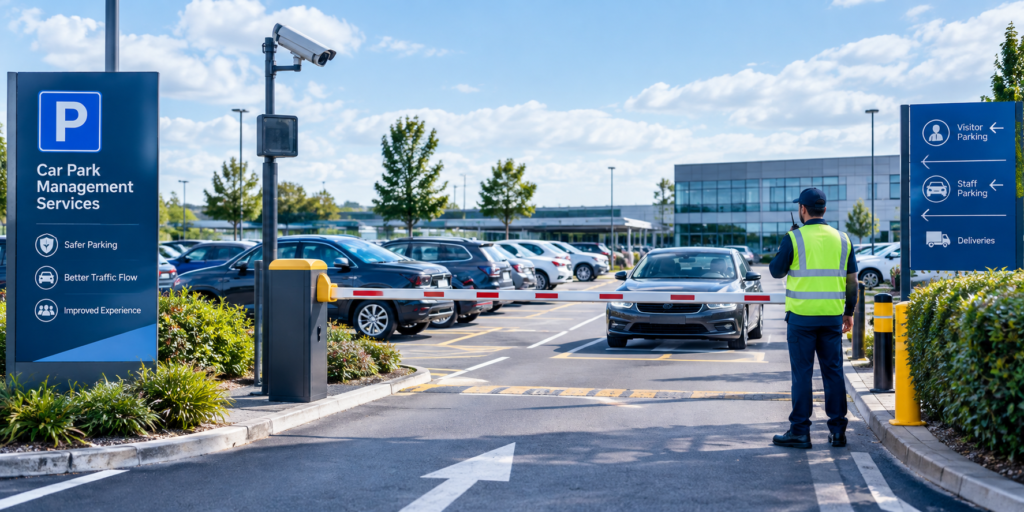

Car parks are an important part of many commercial properties, including shopping centres, office buildings, business parks, airports and hospitality locations. They are often the first area customers and visitors experience before entering the main building. Although parking facilities may appear to be a simple part of a property, their organisation can influence convenience, accessibility and the overall impression of a business. Effective parking management helps commercial properties maintain organised spaces and support the needs of people using their facilities.
One of the main responsibilities of parking management is making the available space easier to use. Commercial car parks may serve employees, customers, suppliers, contractors and visitors at the same time. Without suitable organisation, drivers may experience confusion about where to park or how to move through the facility. Clear layouts, visible signs and properly arranged parking spaces can make the experience more straightforward. They also help reduce unnecessary movement and confusion within the car park.
Traffic flow is another important consideration. During busy periods, several vehicles may enter or leave a commercial property within a short period. If entry and exit arrangements are unclear, congestion can develop around access points. This may inconvenience drivers and create additional pressure on the surrounding area. A well-organised parking arrangement considers how vehicles enter, move through and leave the facility. Reviewing these arrangements can help property managers identify areas where improvements may be needed.
Safety and accessibility should also be considered when managing a car park. Drivers and pedestrians share the same environment, so the layout should help people understand where vehicles are expected to move and where pedestrians can walk. Clear markings, suitable lighting and visible signs contribute to a more organised space. Property managers should also pay attention to damaged surfaces, blocked routes and other conditions that may affect the usability of the facility.
Customer experience begins before a visitor reaches the main entrance. A person arriving at a shopping centre or office building may become frustrated if finding a parking space is difficult or if the available routes are confusing. A well-managed car park can reduce these difficulties and make arrival more convenient. This is especially important for locations that welcome a large number of visitors throughout the day.
Parking management also supports employees who use commercial facilities regularly. Staff members may arrive at similar times each morning, creating predictable periods of high demand. Businesses need to consider how parking spaces are allocated and whether the available capacity meets employee requirements. Clear parking arrangements can reduce misunderstandings and help employees begin their working day without unnecessary delays.
Another important responsibility is keeping parking facilities in suitable condition. Car parks are exposed to weather, vehicle movement and regular use. Road markings may become less visible, surfaces can deteriorate and lighting equipment may require attention. Regular inspections can help property managers identify these issues and arrange appropriate maintenance. Addressing problems early may prevent more extensive repairs and help maintain the appearance of the property.
Cleanliness is also an important factor. Litter, dust and general waste can make a car park look neglected. Regular cleaning and waste management help create a more professional environment. Clean parking areas also contribute to the overall appearance of the commercial property. Businesses that invest in maintaining their entrances and external facilities demonstrate attention to the complete customer experience rather than focusing only on the interior of the building.
Parking requirements can vary depending on the type of property. An airport may experience different traffic patterns from an office complex or retail centre. A shopping location may have short visits and frequent vehicle turnover, while an office building may have employees parking for several hours. Property managers should understand how their facilities are used before deciding which management arrangements are appropriate.
Communication is another important part of effective parking management. Visitors need clear information about parking rules, payment arrangements where applicable, designated spaces and access routes. Employees and property management teams should also understand the procedures for reporting problems. When information is easy to find and responsibilities are clearly defined, parking facilities become easier to manage.
Modern parking facilities may use technology to support their operations. Digital payment systems, access controls and monitoring tools can help manage certain activities. However, these systems still require proper organisation and maintenance. Technology should support a clear parking strategy rather than replace basic planning. Property managers need to review whether the systems they use are suitable for the size and purpose of their facility.
Commercial properties may also need to adjust parking arrangements when their business activities change. New tenants, increased visitor numbers, construction work or changes in opening hours can affect how parking spaces are used. Reviewing the layout and management approach helps property managers respond to these changes. Flexible arrangements are particularly useful for large facilities with different user groups.
Businesses seeking professional support for their parking facilities can explore WWSG car park management services. Appropriate management support can help organisations consider the needs of their visitors, employees and property operations.
Ultimately, effective car park management is about creating a space that is organised, accessible and suitable for its users. Clear layouts, attention to safety, regular maintenance and effective communication all contribute to better parking facilities. By managing these responsibilities carefully, commercial property owners can improve the arrival experience, maintain their premises and support the smooth operation of their businesses.