

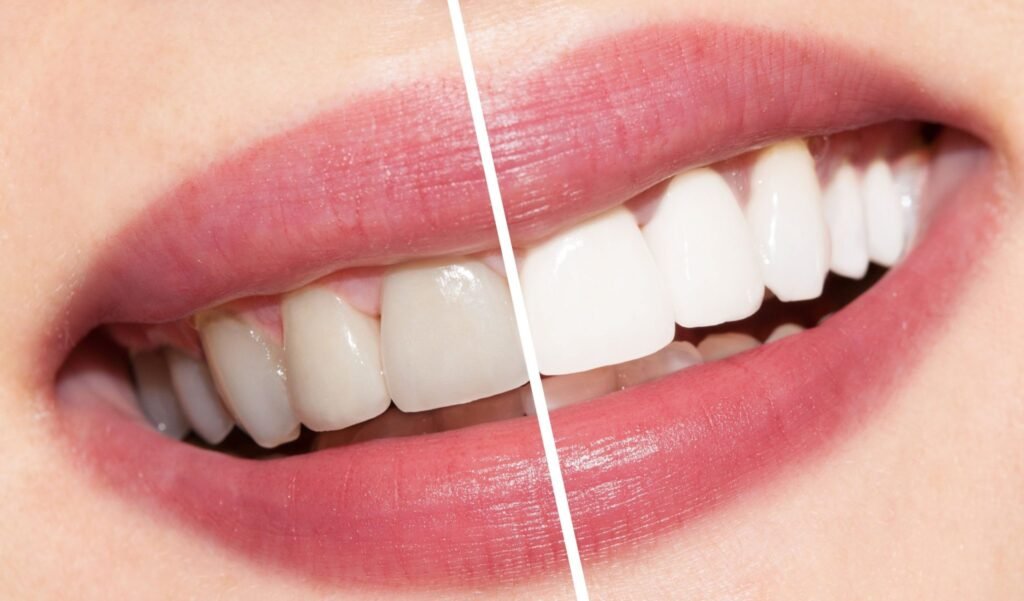

Teeth whitening is one of the most popular cosmetic dental treatments, helping millions of people achieve a brighter and more confident smile. If you’re considering the procedure, you may be wondering, “Is teeth whitening painful?” The good news is that teeth whitening is generally not painful. Most people experience little to no discomfort during the treatment. However, some individuals may notice temporary tooth sensitivity or mild gum irritation, which usually disappears within a few hours or days.
Understanding what to expect before, during, and after whitening can help you feel more comfortable and confident about the procedure.
Does Teeth Whitening Hurt?
For most patients, professional teeth whitening is a comfortable treatment. The whitening gel works by breaking down stains inside the enamel without damaging healthy tooth structure.
While the procedure itself is usually painless, some people may experience temporary sensitivity during or after treatment. This sensation is generally mild and short-lived.
Why Do Teeth Feel Sensitive After Whitening?
Temporary tooth sensitivity is the most common side effect of teeth whitening.
Whitening products contain bleaching agents such as hydrogen peroxide or carbamide peroxide. These ingredients penetrate the enamel to remove stains, which can temporarily stimulate the nerves inside the teeth.
You may notice sensitivity when consuming:
- Cold drinks
- Ice cream
- Hot beverages
- Sweet foods
- Cold air
The sensitivity usually improves within 24 to 48 hours, although it may last a few days for people with naturally sensitive teeth.
Does Professional Whitening Hurt Less?
Yes. Professional teeth whitening performed by a dentist is often more comfortable than many people expect.
Dentists take several precautions to reduce discomfort, including:
- Using protective barriers for the gums
- Selecting the appropriate whitening strength
- Monitoring the treatment closely
- Adjusting the procedure if sensitivity occurs
Professional supervision also reduces the risk of gum irritation and uneven whitening.
Can Whitening Cause Gum Irritation?
Some patients experience mild gum irritation if the whitening gel comes into contact with the gums.
Common symptoms include:
- Mild redness
- Tenderness
- Temporary white spots
- Slight burning sensation
These effects are usually temporary and resolve within a day or two.
Who Is More Likely to Experience Sensitivity?
Certain people are more prone to discomfort after whitening.
You may be more likely to experience sensitivity if you have:
- Naturally sensitive teeth
- Thin enamel
- Gum recession
- Exposed tooth roots
- Cracked teeth
- Untreated cavities
A dental examination before whitening helps identify these issues and ensures the treatment is safe.
How Long Does the Discomfort Last?
Most whitening-related discomfort is temporary.
Typical recovery times include:
- A few hours for mild sensitivity
- One to three days for most people
- Up to one week in some sensitive individuals
If discomfort persists beyond a week or becomes severe, you should contact your dentist.
How to Reduce Sensitivity After Whitening
There are several ways to make recovery more comfortable.
Use Toothpaste for Sensitive Teeth
Desensitizing toothpaste can help reduce temporary sensitivity before and after whitening.
Avoid Extremely Hot or Cold Foods
Choose room-temperature foods and beverages until the sensitivity improves.
Drink Plenty of Water
Staying hydrated helps keep your mouth comfortable and supports oral health.
Brush Gently
Use a soft-bristled toothbrush and avoid aggressive brushing.
Follow Your Dentist’s Instructions
Your dentist may recommend fluoride treatments or shorter whitening sessions if you have sensitive teeth.
Is At-Home Whitening More Painful?
Over-the-counter whitening products can also be effective, but improper use may increase the risk of sensitivity.
Common mistakes include:
- Using whitening strips too often
- Leaving whitening gel on longer than recommended
- Using products with poor-fitting trays
- Combining multiple whitening products
Always follow the manufacturer’s instructions and consult your dentist if you experience ongoing discomfort.
Can Teeth Whitening Damage Your Teeth?
When performed correctly, professional teeth whitening does not damage healthy enamel or weaken your teeth.
Temporary sensitivity is normal, but it is not a sign of permanent damage.
Problems are more likely to occur when whitening products are overused or when whitening is performed on teeth with untreated dental problems.
Who Should Avoid Teeth Whitening?
Teeth whitening may not be suitable if you have:
- Active tooth decay
- Gum disease
- Severe tooth sensitivity
- Cracked teeth
- Worn enamel
- Extensive dental restorations on visible teeth
Your dentist can recommend alternative treatments if whitening is not appropriate.
Benefits of Professional Teeth Whitening
Despite the possibility of temporary sensitivity, professional whitening offers many advantages, including:
- Brighter teeth
- Fast results
- Safe treatment
- Even whitening
- Improved confidence
- Long-lasting results with proper care
For most people, the cosmetic benefits far outweigh the brief period of sensitivity.
Tips for a Comfortable Whitening Experience
To make your whitening treatment as comfortable as possible:
- Schedule a dental check-up before whitening.
- Inform your dentist if you have sensitive teeth.
- Use a sensitivity toothpaste before treatment if recommended.
- Avoid staining foods and drinks for 24 to 48 hours afterward.
- Maintain good oral hygiene to protect your results.
Conclusion
So, is teeth whitening painful? For most people, the answer is no. Professional teeth whitening is a safe and comfortable cosmetic procedure that causes little to no pain. While some patients may experience temporary tooth sensitivity or mild gum irritation, these side effects usually disappear within a few days. Choosing professional whitening, following your dentist’s recommendations, and practicing good oral hygiene can help you enjoy a brighter smile with minimal discomfort.