
A well-designed workplace can make everyday business activities more organized, comfortable, and efficient. Furniture is one of the most important elements of an office because it determines how employees use their working areas and interact with their surroundings. From spacious desks and supportive chairs to practical storage cabinets and modern conference tables, every furniture choice contributes to the overall office environment. Businesses need furniture that combines attractive designs with reliable functionality. Selecting the right Office furniture Philippines solutions helps organizations create professional interiors that support employee comfort, improve space management, and reflect their corporate identity.
Creating a Positive Impression Through Office Interiors
The appearance of an office often influences how visitors perceive a business. Clients, suppliers, and potential partners may form an impression of an organization from the moment they enter its premises. A clean reception area, coordinated furniture, and organized workstations communicate professionalism and attention to detail.
Office interiors should reflect the company’s working culture and business identity. Traditional organizations may prefer classic wooden furniture and formal seating arrangements, while modern companies often choose minimalist desks, contemporary chairs, and flexible workstations. The objective is to create an environment that looks professional without sacrificing everyday functionality.
Furniture placement is equally important. Desks should be arranged to provide sufficient working space, while shared areas should remain accessible. A balanced layout prevents overcrowding and allows employees and visitors to move comfortably. Businesses that plan their interiors carefully can create attractive environments that also support daily operations.
Selecting Desks That Match Workplace Requirements
Office desks are essential for employees who handle administrative responsibilities, computer-based tasks, and professional communication. The right desk should provide sufficient surface area for equipment, documents, and office accessories. Its dimensions should also match the available floor space.
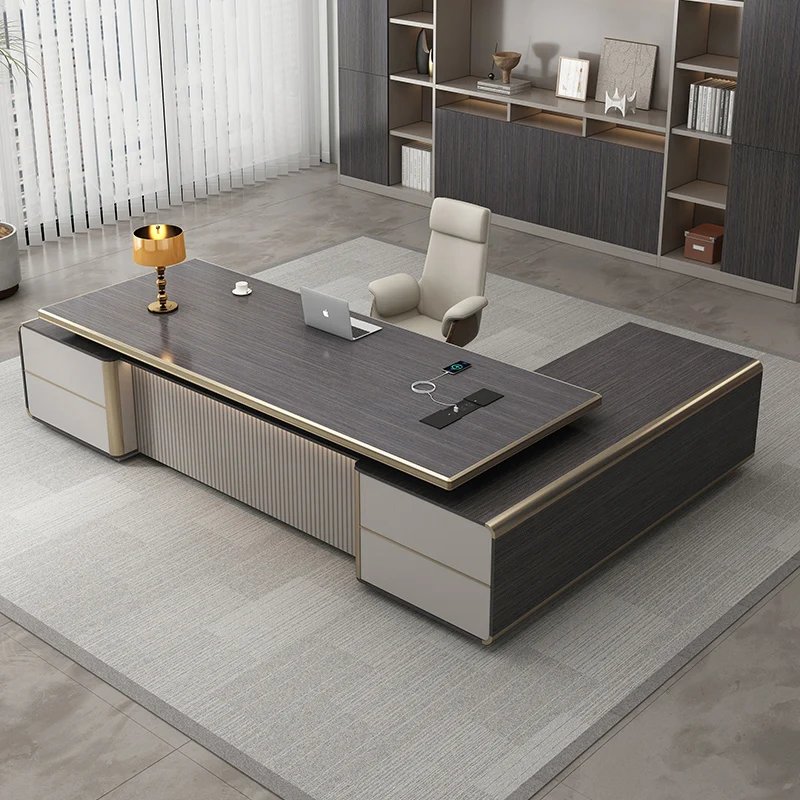
Straight desks are practical for individual workstations and smaller offices. L-shaped desks provide additional working areas and can accommodate multiple monitors or paperwork. Executive desks are designed for management offices and often feature larger surfaces, additional storage, and premium finishes.
Computer desks are useful in workplaces where employees spend most of their time using digital equipment. Some models include cable management systems, keyboard trays, and built-in compartments. These features help maintain an organized working environment.
Before purchasing desks, businesses should consider height, width, material, storage capacity, and overall construction. Employees need adequate legroom and enough surface space to arrange their equipment comfortably. Selecting furniture according to actual job requirements helps businesses avoid unnecessary purchases.
Improving Workplace Comfort With Ergonomic Chairs
Comfortable seating is an important part of an effective office environment. Employees who work at desks for extended periods need chairs that provide suitable support and adjustable features. Poor seating arrangements can make daily activities uncomfortable and affect the overall working experience.
Ergonomic office chairs are designed to accommodate different sitting preferences. Depending on the model, they may include adjustable seat heights, lumbar support, armrests, reclining mechanisms, and breathable upholstery. These features allow users to adjust their seating positions according to their needs.
Different departments may require different chair styles. Task chairs are suitable for everyday employee workstations, while executive chairs create a formal appearance in managerial offices. Conference chairs are designed for meeting rooms, and visitor chairs provide practical seating in reception areas.
Businesses should examine chair quality before making purchasing decisions. Strong frames, reliable adjustment mechanisms, durable upholstery, and stable wheels contribute to product performance. Choosing appropriate seating helps create a more comfortable environment for employees and visitors.
Organizing Daily Operations With Storage Furniture
A well-organized office requires sufficient storage for documents, stationery, equipment, and other workplace materials. Without suitable storage systems, desks can become overcrowded and important items may be difficult to locate.
Filing cabinets are useful for maintaining organized business records. Companies can choose vertical or lateral cabinets depending on the available space and quantity of documents. Lockable storage units provide additional protection for confidential paperwork.
Mobile pedestals offer convenient storage near individual desks. Employees can use them to organize personal belongings, office supplies, and frequently accessed documents. Their compact design makes them suitable for both large and small workplaces.
Shelving units and storage cupboards provide additional space for books, folders, equipment, and shared supplies. Businesses should identify their storage requirements before purchasing these products. Proper organization improves the appearance of workstations and makes everyday office activities easier.
Making Better Use of Available Office Space
Office space is an important business resource, particularly in commercial areas where rental expenses can be significant. Furniture should be selected and arranged to make the best use of available floor space without compromising employee comfort.
Small offices can benefit from compact desks, multifunctional furniture, and vertical storage systems. Wall-mounted shelves provide additional storage without occupying valuable floor space. Mobile cabinets can also be moved when office arrangements need to change.
Larger workplaces may require separate areas for administration, management, meetings, and collaborative activities. Modular workstations help businesses organize employees while allowing layouts to change as teams grow.
Walkways should remain clear, and furniture should not block entrances, windows, or access points. Businesses should measure their rooms before purchasing furniture and prepare a layout that considers employee movement, lighting, and equipment placement.
Effective space planning helps companies create comfortable offices without purchasing unnecessary furniture.
Exploring Modular Furniture for Flexible Work Environments
Business requirements can change as organizations expand, introduce new departments, or modify their working arrangements. Modular furniture provides flexibility because its components can be rearranged according to changing needs.
Modular workstations are particularly useful for businesses with multiple employees working in shared areas. They can be arranged in rows, clusters, or collaborative configurations. Some designs include privacy panels, storage compartments, and integrated cable management.
Portable partitions offer another practical solution for dividing larger spaces. They can create separate working areas without requiring permanent walls. Businesses can use these partitions to establish private work zones, discussion areas, or temporary meeting spaces.
Flexible furniture is valuable for startups and growing organizations because it allows companies to adjust their layouts without replacing every furniture item. This approach supports better space utilization and long-term planning.
Choosing Furniture Materials That Offer Lasting Value
Furniture materials influence durability, appearance, maintenance, and purchasing costs. Businesses should compare different options before selecting products for their workplaces.
Engineered wood is commonly used for office desks, cabinets, and shelving because it offers a range of finishes and practical price options. Solid wood provides a natural appearance and is often selected for premium furniture. Metal frames are suitable for applications where structural strength is important.
Glass surfaces can introduce a contemporary appearance to selected desks and meeting tables. However, businesses should consider cleaning requirements and workplace suitability. Upholstered seating also requires attention to fabric quality, comfort, and maintenance.
The local environment should be considered when purchasing furniture in the Philippines. Humidity and temperature variations may affect certain materials and finishes. Selecting suitable products and following manufacturer care instructions can help preserve their appearance and functionality.
Businesses should also examine joints, hinges, drawer mechanisms, and surface finishing. These construction details can influence how well furniture performs during regular use.
Designing Reception Areas That Welcome Visitors
Reception areas represent an important part of a company’s professional image. Visitors often enter this space before interacting with employees or management, making furniture selection particularly important.
A reception desk should be functional, appropriately sized, and consistent with the office interior. It should provide enough space for computers, documents, and communication equipment. Comfortable visitor chairs or sofas can make waiting areas more welcoming.
Lighting, furniture colors, and decorative details should complement one another. Businesses can use coordinated finishes to establish a consistent appearance throughout their interiors.
The reception area should also remain uncluttered. Excessive furniture can restrict movement and make the space feel smaller. A carefully selected combination of reception furniture and visitor seating creates a balanced environment.
Understanding Furniture Requirements for Different Businesses
Every organization has different furniture requirements depending on its industry and daily activities. Corporate offices may need executive desks, conference tables, ergonomic chairs, and organized workstations. Startups often prefer compact furniture that can be rearranged as their teams expand.
Educational institutions require classroom desks, computer tables, administrative furniture, and durable seating. Healthcare facilities may need practical reception counters, consultation room furniture, and storage cabinets. Government offices often require filing systems, meeting furniture, and functional workstations.
Architects and interior designers may prioritize furniture dimensions, finishes, and visual consistency when planning professional interiors. Procurement teams generally evaluate construction quality, pricing, specifications, and supplier support before placing orders.
Understanding these differences helps businesses select furniture that supports their actual working requirements rather than purchasing products based only on appearance.
Planning an Office Furniture Budget
A realistic furniture budget helps companies manage expenses while maintaining appropriate quality standards. Before purchasing, businesses should identify essential furniture categories and determine which items require priority.
Desks, chairs, and storage units are usually important starting points. Additional furniture for reception areas, meeting rooms, and executive offices can be selected according to available funds and operational requirements.
Companies should compare product specifications instead of focusing entirely on initial prices. Material quality, construction, maintenance requirements, and expected lifespan all influence long-term value.
It is also useful to review delivery arrangements, warranty coverage, and after-sales assistance. Clear purchasing information helps businesses make informed decisions and avoid unexpected costs.
For expanding companies, purchasing modular furniture can be a practical way to manage future expenses. Flexible designs allow workplaces to accommodate new employees without completely changing their existing interiors.
Maintaining Office Furniture for Everyday Use
Regular maintenance helps businesses preserve furniture quality and maintain clean professional interiors. Desks and cabinets should be cleaned according to their surface materials. Suitable cleaning products help prevent unnecessary damage to finishes.
Upholstered chairs require periodic cleaning to remove dust and stains. Metal frames should be checked for loose fittings, while drawers and cabinet hinges should be inspected to ensure smooth operation.
Employees should also follow basic furniture care practices. Avoiding excessive weight, preventing spills, and keeping workstations organized can reduce unnecessary wear. Minor maintenance issues should be addressed early to prevent further damage.
Businesses with multiple departments can establish routine inspection schedules. Regular care helps extend furniture lifespan and keeps the workplace suitable for everyday activities.
Creating Better Business Environments With the Right Furniture
A professional office requires furniture that supports comfort, organization, and efficient space utilization. Businesses should evaluate their requirements carefully before selecting desks, chairs, storage systems, and collaborative furniture. Material quality, ergonomic features, maintenance, and budget should all influence purchasing decisions.
Choosing suitable Office furniture Philippines products allows organizations to create workplaces that meet employee needs while maintaining a professional appearance. With thoughtful planning, durable materials, and functional designs, companies can develop interiors that support their daily responsibilities and future growth. Office furniture express can be a valuable part of creating organized business spaces where employees feel comfortable and operations run smoothly.