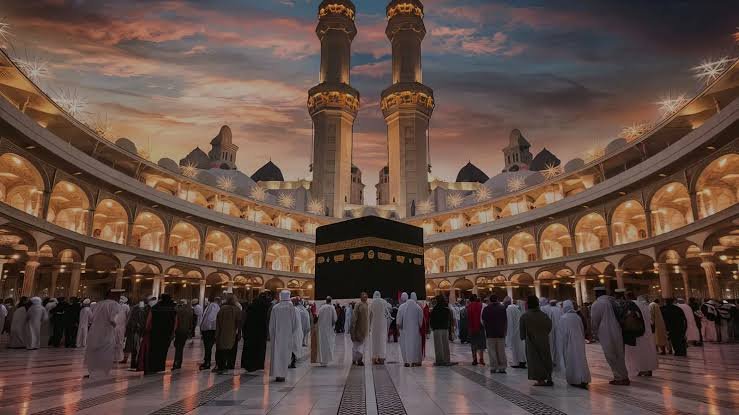

A well-organised preparation plan can help reduce unnecessary stress and allow pilgrims to concentrate on their religious obligations. Whether this is your first Hajj or you are travelling again, knowing what to arrange before departure makes the experience more manageable.
This guide explains the essential steps UK-based pilgrims should consider before travelling to Saudi Arabia, from the initial arrangements to the final preparations at home.
1. Understand the Hajj Journey Before Making Arrangements
Before organising your travel, take time to understand the different stages of Hajj. Knowing what happens during the pilgrimage will help you prepare mentally and practically.
Hajj involves several important religious activities, including entering Ihram, performing Tawaf, completing Sa’i, staying at Arafat, spending time in Muzdalifah and participating in the rituals of Mina. Each activity has its own significance and requirements.
First-time pilgrims should familiarise themselves with the basic sequence of these rituals. Understanding when and where each activity takes place can make it easier to follow instructions during the journey.
Consider learning about:
- The significance and conditions of Ihram.
- The correct method of performing Tawaf and Sa’i.
- The importance of standing at Arafat.
- The arrangements and activities at Muzdalifah and Mina.
- The religious requirements associated with animal sacrifice and the completion of Hajj.
It is also helpful to attend Hajj preparation sessions or speak with a knowledgeable religious guide if you have questions about performing particular rituals.
2. Check Your Passport, Visa and Travel Documents
Travel documentation should be one of your earliest priorities. UK residents travelling to Saudi Arabia must ensure their passports and entry permissions meet the applicable requirements.
Start by checking your passport’s expiry date. Do not leave this task until the final weeks before departure, as renewing an expired or soon-to-expire passport may take additional time.
Your travel document checklist should include:
- A valid passport meeting Saudi Arabia’s entry requirements.
- The appropriate Hajj visa or authorised entry permission.
- Confirmed flight booking details.
- Accommodation confirmation.
- Travel itinerary and transport information.
- Copies of important personal documents.
- Emergency contact information.
Keep digital copies of your essential documents on your phone and store physical copies separately from your original passport.
It is also sensible to keep a small document folder in your hand luggage. Having everything organised in one place can make airport procedures and hotel check-ins easier.
Always confirm the latest visa conditions, application procedures and permitted travel arrangements before departure, as requirements can change between Hajj seasons.
3. Arrange Your Health and Medical Preparation
Hajj involves considerable walking, crowded environments, warm weather and a demanding travel schedule. Preparing your health before departure can help you manage these physical demands more comfortably.
Begin by arranging a medical appointment well before your travel date. Discuss any existing health concerns, regular medication and the physical activities involved in the pilgrimage.
Vaccination requirements should also be checked in advance. Saudi authorities may require specific vaccinations or health documentation for Hajj pilgrims, depending on the applicable season’s regulations.
Your medical preparation should cover the following:
Review your medication: If you take regular medication, make sure you have enough for the entire trip, including a reasonable additional supply where permitted. Keep medicines in their original packaging and carry relevant prescriptions.
Prepare a medical information card: Write down important medical information, allergies, medication details and emergency contact numbers. This can be useful if you need assistance.
Build your walking stamina: Start taking regular walks several weeks before departure. Gradually increase your walking distance to improve your comfort during long pilgrimage activities.
Prepare a small first-aid kit: Include suitable plasters, blister protection, basic wound-care supplies and other personal medical essentials.
For UK travellers, a practical Hajj checklist UK should include health preparation alongside travel arrangements, because both are important for managing the physical demands of the pilgrimage.
4. Prepare Your Ihram and Appropriate Clothing
Choosing suitable clothing is another important part of Hajj preparation. Pilgrims should understand the clothing requirements associated with Ihram and pack according to their religious obligations.
For men, Ihram consists of two unstitched white cloths. It is advisable to purchase comfortable, good-quality material and practise wearing it before departure.
Women do not have a specific white Ihram uniform. They should wear modest, comfortable clothing that meets the requirements of Ihram.
In addition to Ihram clothing, consider packing:
- Lightweight and breathable everyday clothing.
- Comfortable footwear suitable for extensive walking.
- Extra pairs of socks.
- A small laundry bag.
- Sleepwear and essential undergarments.
- A lightweight bag for carrying personal belongings.
Avoid packing unnecessary outfits. A smaller, organised luggage collection makes moving between accommodation and pilgrimage locations easier.
Remember that footwear and clothing should be comfortable rather than fashionable. You may spend long periods standing or walking, so practical choices are particularly important.
5. Organise Your Money and Travel Budget
Financial preparation helps prevent avoidable difficulties during Hajj. Before leaving the UK, establish a realistic budget that covers your expected expenses.
Although major travel arrangements may already be included in your package, you should still plan for personal spending.
Your budget may need to cover:
- Meals and refreshments not included in your arrangements.
- Personal shopping and essential supplies.
- Local communication expenses.
- Laundry services.
- Unexpected personal requirements.
- Small emergency expenses.
Consider carrying some Saudi Riyals for everyday purchases. You should also check whether your bank card can be used internationally and understand any foreign transaction charges.
Inform your bank about your travel plans if necessary to reduce the possibility of card transactions being declined.
Avoid carrying large amounts of cash in one place. Divide your money safely and keep your cards and important documents secure.
6. Choose Your Accommodation and Understand Transport Arrangements
Accommodation and transportation can significantly influence how manageable your Hajj journey feels. Before travelling, understand where you will be staying and how you will move between the main pilgrimage locations.
Check the details of your hotel accommodation, including room arrangements, meal facilities and the distance or transport arrangements for reaching important locations.
Ask relevant questions about:
- Hotel location in Makkah and Madinah.
- Room-sharing arrangements.
- Meal availability.
- Airport transfers.
- Transport between Makkah, Mina, Arafat and Muzdalifah.
- Guidance and assistance during pilgrimage activities.
For organised travel arrangements, Al Hijaz Tours can be explored as a starting point for reviewing available Hajj travel information and package details.
Before confirming any booking, carefully review what is included and what requires separate payment. Having a clear understanding of your arrangements can help avoid confusion after arriving in Saudi Arabia.
7. Pack the Essential Personal Items
Packing for Hajj requires a balance between carrying everything you need and avoiding excessive luggage. Prioritise items that support your comfort, personal hygiene and daily activities.
A useful packing list includes:
Personal hygiene essentials
- Toothbrush and toothpaste.
- Unscented toiletries for use during Ihram.
- Unscented soap and personal hygiene products.
- Towels and tissues.
- Hand sanitiser, where appropriate.
- Personal grooming essentials.
Practical travel accessories
- A comfortable backpack or shoulder bag.
- Reusable water bottle.
- Mobile phone and charger.
- Power bank.
- Travel adapter compatible with Saudi electrical sockets.
- Sunglasses and suitable sun protection.
- A small notebook and pen.
Religious essentials
- Pocket-sized Quran or a digital copy.
- Dua collection.
- Prayer mat.
- Hajj guidebook.
- Tasbeeh, if preferred.
Check the airline’s baggage allowance before packing. Keep essential medication, travel documents, valuables and one change of clothes in your hand luggage.
8. Prepare Your Phone and Communication Arrangements
Your mobile phone can be an important travel companion during Hajj. It helps you communicate with family members, access travel information and stay connected with your group.
Before leaving the UK, check whether your current mobile provider offers suitable international roaming. Alternatively, explore available Saudi SIM or eSIM options.
Make sure you have:
- Important contact numbers saved.
- Hotel and group leader details.
- Offline copies of your travel documents.
- Downloaded maps or useful navigation information.
- A fully charged power bank.
- Access to essential communication applications.
It is also wise to agree on a meeting point with your group in case someone becomes separated during crowded activities.
Do not depend entirely on mobile internet. Network congestion or battery problems may occasionally affect communication, so having written contact details is a sensible backup.
9. Strengthen Your Spiritual Preparation
Hajj is not simply a physical journey. It is an act of worship that requires sincerity, patience, humility and dedication.
Spiritual preparation should begin well before departure rather than being left until arrival in Saudi Arabia.
Start by learning the duas associated with the different stages of Hajj. Understand the meaning and purpose of the rituals instead of relying only on memorising their sequence.
You can also prepare by:
- Establishing consistency in daily prayers.
- Reading and reflecting on the Quran.
- Learning about the importance of repentance.
- Making a personal list of duas.
- Seeking forgiveness and resolving personal disagreements.
- Studying the rules of Ihram and Hajj.
- Developing patience when dealing with others.
Prepare a personal dua list covering your faith, family, loved ones and other important matters. Having these written down can help you remember them during busy moments.
Most importantly, approach the journey with realistic expectations. Crowded areas, waiting periods and changes to arrangements may require patience. Maintaining a calm attitude can help you focus on the purpose of your pilgrimage.
10. Complete Your Final Checks Before Leaving the UK
As your departure date approaches, review everything rather than assuming that all arrangements are complete.
A final preparation check should include:
- Confirming flight timings and airport arrangements.
- Checking passport and visa documents.
- Reviewing hotel and transport confirmations.
- Preparing Ihram and other clothing.
- Checking medication and prescriptions.
- Charging electronic devices.
- Informing family members about your itinerary.
- Organising cash and bank cards.
- Securing your home before departure.
Arrive at the airport according to your airline’s recommended check-in time. Keep your passport, boarding documents and essential belongings accessible.
If you are travelling with elderly family members or people who need additional assistance, confirm their support arrangements before leaving home.
Avoid making major last-minute packing changes unless necessary. A final organised review is usually more helpful than adding extra items at the last moment.
Conclusion
Preparing for Hajj requires attention to travel documentation, health, clothing, finances, accommodation and spiritual readiness. For UK-based pilgrims, starting these arrangements early can make the journey more organised and reduce unnecessary pressure before departure.
The most important step is to approach preparation with a clear plan. Understand the rituals, check the latest travel requirements, organise your essential belongings and give yourself enough time to prepare physically and spiritually.
Hajj is a deeply meaningful opportunity for worship and reflection. With thoughtful preparation and a patient mindset, pilgrims can focus more fully on fulfilling their religious responsibilities and making the most of this important journey.