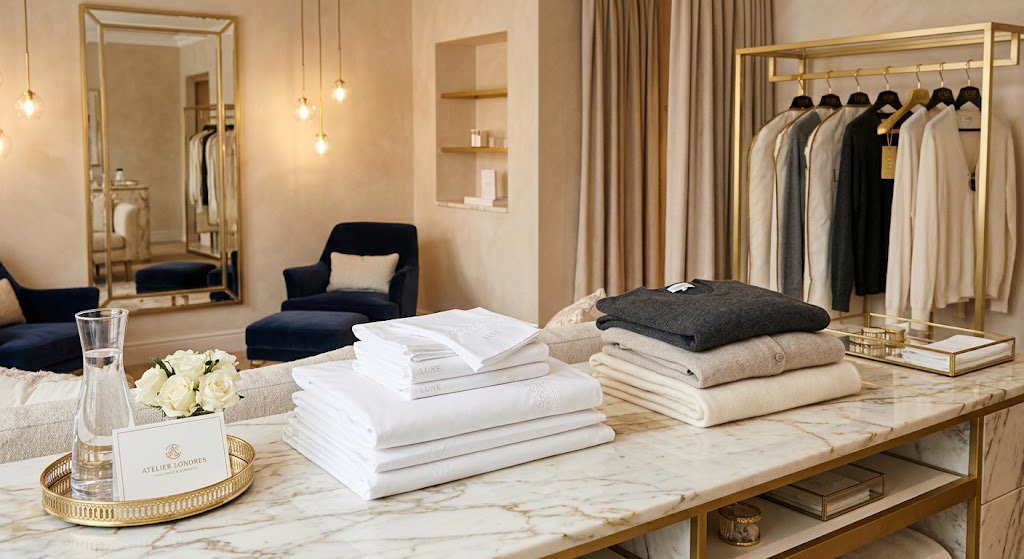

Choose a professional Laundry Service in London for silk, cashmere, designer clothing and delicate fabrics with care suited to each garment.
The right Laundry Service for luxury fabrics checks each garment’s care label, fabric, construction and condition before choosing a suitable cleaning method.
A silk blouse, a cashmere jumper and a structured designer coat may all belong in the same wardrobe, but they should not automatically follow the same cleaning process. Each fabric reacts differently to moisture, heat, friction and finishing. Choosing the right care helps protect the garment’s shape, colour and details.
Imagine a homeowner in Mayfair preparing a wardrobe for the change of season. A silk dress has a faint mark, a cashmere jumper needs refreshing, and a wool coat has picked up rain and street dust. The owner wants everything returned in excellent condition without unnecessary treatment or unexpected charges.
What should happen first? A proper inspection, followed by clear advice about the cleaning method, likely result and cost.
This guide explains how to compare luxury fabric care options, understand London prices, choose a suitable provider and maintain delicate clothing between professional visits. The same principles can help garment owners in the UK, the US, Canada, Australia, New Zealand, Ireland and South Africa.
How should luxury fabrics be cleaned?
Luxury fabrics should be cleaned according to their care labels, fibre content, construction and condition. A specialist should assess these details before deciding whether washing, professional wet cleaning, dry cleaning or another method is suitable.
Our Mayfair homeowner begins by separating delicate garments from everyday laundry. This matters because a cotton T-shirt and a silk blouse may need different temperatures, handling and finishing, even when both look clean.
The International Wool Textile Organisation advises following care labels and explains that wool garments can often be refreshed through airing rather than washing after every wear. Its wool-care guidance also recommends suitable storage and careful treatment of marks. These recommendations offer a useful starting point, although each garment’s own label remains important.
- Silk can react to unsuitable heat, friction and cleaning products, so check its label before treatment.
- Cashmere may stretch or lose its shape when washed or dried incorrectly, especially if the knit is loose.
- Structured jackets contain linings and internal layers that may need specialist handling.
- Beaded dresses require checks for loose embellishments, fragile stitching and colour changes.
- Fine wool garments may benefit from airing between wears when they have no visible stains or persistent odours.
Would you clean a delicate evening dress in the same way as a cotton shirt? A garment’s price alone does not determine its cleaning method, but fine fibres and complex construction often require closer inspection.
BLANC Living describes specialist care for garments such as silk, cashmere, wool, velvet and satin. When comparing services, ask how the cleaner assesses the item, identifies stains and explains any risks before beginning work.
The key is to choose the cleaning process for the garment, not simply its category.
What options are available for luxury fabric care?
The main options are home care, wash and fold, professional garment cleaning, pressing and specialist treatment. The best choice depends on the care label, the condition of the fabric and the finish you need.
The Mayfair homeowner now considers each item separately. Everyday washable clothing can follow a standard laundry process, while the silk dress and structured coat may need professional assessment.
Options compared
- Home care: Follow the care label and use suitable products. Cost: around £0–£10 for basic supplies. Best for: washable items suitable for home treatment. Main drawback: mistakes can cause colour changes, shrinkage or distortion.
- Wash and fold: A service for everyday washable clothing and household laundry. BLANC publishes regular-order pricing from £5 per kg. Best for: suitable shirts, T-shirts, socks and casual garments. Main drawback: delicate or dry-clean-only pieces may not be suitable.
- Professional garment cleaning: Individual garments receive a cleaning method and finish suited to their requirements. BLANC lists delicate blouses from £9.80 and knitwear from £12.90. Best for: selected dresses, coats, suits and fine fabrics. Main drawback: additional charges may apply to complex items.
- Pressing only: A garment receives pressing without a full cleaning process, where appropriate. Cost: ask the provider for the current garment-specific quote. Best for: suitable items that need crease removal rather than cleaning. Main drawback: pressing will not remove embedded dirt or stains.
- Specialist garment care: More complex pieces receive individual assessment and a quote. Cost: varies by construction, fabric and treatment required. Best for: couture, wedding dresses, heavily embellished clothing and vintage garments. Main drawback: the process may take longer and cost more than routine cleaning.
Published prices are starting points, not guaranteed totals. BLANC notes that extra charges may apply to designer labels, delicate features, specialist fabrics and express turnaround. Check the current price guide before booking, especially for unusual or valuable items.
The homeowner chooses standard laundry for suitable everyday pieces and requests a separate assessment for the dress and coat. This avoids paying for specialist treatment where it is unnecessary while keeping complex garments out of routine loads.
Separate the wardrobe by care needs before deciding which service to book.
How much does a luxury Laundry Service cost in London?
The cost depends on the garment, fabric, construction, stain treatment and finishing required. Published starting prices help with planning, but specialist items may need a quote after inspection.
The Mayfair homeowner asks for an estimate before handing over the wardrobe. That is a sensible step because a simple blouse and a beaded evening dress can require very different amounts of work.
BLANC’s published price list includes delicate blouses from £9.80, knitwear from £12.90, dresses from £18.60 and coats from £24.90. Its listed evening dresses start from £49.90, while wedding dresses require a quote. These prices can change, so confirm the current amount before approving the service.
The main cost factors are:
- Fabric and construction: Silk, cashmere, lined jackets and embellished garments may need more careful handling than simple washable clothing.
- Stain treatment: Marks from oil, makeup, food or drink may need separate assessment and treatment.
- Garment size: Long coats, evening gowns and bulky items can take more time to handle and finish.
- Finishing requirements: Hand pressing, shape restoration or special handling can affect the final price.
- Urgency: Express turnaround may carry an additional charge, depending on the garment and availability.
- Collection arrangements: Check whether collection and delivery are included, and whether minimum-order conditions apply.
A cheaper routine wash may suit everyday clothing, while a specialist service may be more appropriate for an intricate dress or a valuable jacket. The important comparison is what each price includes, rather than the starting figure alone.
Ask whether the cleaner will confirm the cost after inspection and before proceeding with extra work. That way, you can make a clear decision without being surprised by a revised total.
A written or clearly confirmed quote makes it easier to plan garment care with confidence.
How does London weather affect delicate clothing?
London’s wet and changeable weather makes drying, airing and storage important parts of garment care. Damp clothing should be dried appropriately before storage, and delicate fabrics should not be exposed to unnecessary heat.
Our Mayfair homeowner returns from a rainy afternoon with a wool coat and a silk scarf. Neither garment automatically needs a full clean, but both should be checked and handled according to their care instructions.
The Met Office’s 1991–2020 Heathrow averages record 614.98 mm of annual rainfall and 111.66 days with at least 1 mm of rain. October averages 65.07 mm of rainfall, while November averages 66.63 mm. These are station-specific climate averages, not exact figures for every London neighbourhood.
- Give damp coats room to dry before placing them in a wardrobe.
- Avoid placing silk or cashmere directly against a radiator or other strong heat source.
- Fold fine knitwear where hanging could stretch its shape.
- Check garments for marks before storing them for the next season.
- Keep stored clothing dry and protect it from pests and prolonged compression.
The homeowner also considers the cleaner’s professional responsibilities. Southwark Council regulates certain dry-cleaning premises through pollution-control permits. Its published guidance sets a limit of 20 grams of solvent per kilogram of product cleaned and dried, and requires annual solvent-use records for regulated premises. This is a specific requirement in Southwark, so other boroughs and cleaning methods may have different requirements.
The International Wool Textile Organisation’s care guidance provides another useful point: wool often benefits from airing between wears and should be stored clean before long-term storage. This does not replace the garment’s own care label, but it shows why frequent washing is not always necessary.
Good care continues after collection, especially when London weather leaves garments damp.
How do you choose a provider for luxury fabrics?
Choose a provider that inspects garments, explains its cleaning process, gives clear prices and discusses risks before treatment. Collection convenience matters, but it should not replace garment-specific advice.
The Mayfair homeowner compares providers by asking the same questions about the silk dress, cashmere jumper and wool coat. The answers reveal more than a general promise of specialist care.
- Check whether the provider accepts your specific fabric and garment type.
- Ask how stains, loose embellishments and existing damage are recorded before cleaning.
- Confirm the cleaning method and likely limitations before approving the work.
- Request the full price, including any specialist treatment or express charges.
- Check the expected turnaround and collection or delivery arrangements.
- Read recent customer feedback, while judging the provider’s answers to your own questions.
A professional cleaner should explain when a stain may not come out completely or when treatment carries a risk. No method can guarantee that every mark will disappear, especially if it is old or has already been treated at home.
BLANC Living offers garment care for fine fabrics and designer clothing, with published prices for common items and individual quotes for more complex pieces. This gives customers a starting point for comparing routine cleaning with specialist work.
Before booking, mention any stains, previous cleaning attempts or details that concern you. A quick conversation can help the provider assess the garment and explain the next steps.
Choose the provider that can clearly explain how it will care for your particular garment.
FAQ
Can a Laundry Service clean silk clothing?
Yes, if the garment is suitable for the provider’s cleaning process. Silk can be sensitive to heat, friction and unsuitable products, so the care label should be checked first. Mention stains, fragile buttons and decorative details before treatment begins.
How often should cashmere be cleaned?
Cashmere does not always need cleaning after every wear. When there are no visible stains or persistent odours, airing may be enough between uses. Follow the care label and seek professional advice if the garment has marks, changed shape or needs seasonal cleaning.
Is professional cleaning suitable for designer clothing?
It can be suitable, particularly when garments have delicate fabrics, structured linings or embellishments. The cleaner should inspect the item and explain the proposed method. Designer branding alone does not determine the right treatment; the garment’s actual construction and care instructions matter.
How much does luxury garment cleaning cost in London?
Published BLANC prices start at £9.80 for a delicate blouse, £12.90 for knitwear and £18.60 for a dress. Evening dresses and specialist items may cost more. Check the current price list and ask for an individual quote for complex garments.
Why might a specialist garment cost more to clean?
The price may reflect inspection, stain treatment, delicate handling, hand finishing and the time needed to protect the garment’s construction. A beaded dress or vintage jacket can require more work than a simple shirt. Ask what is included before approving the service.