

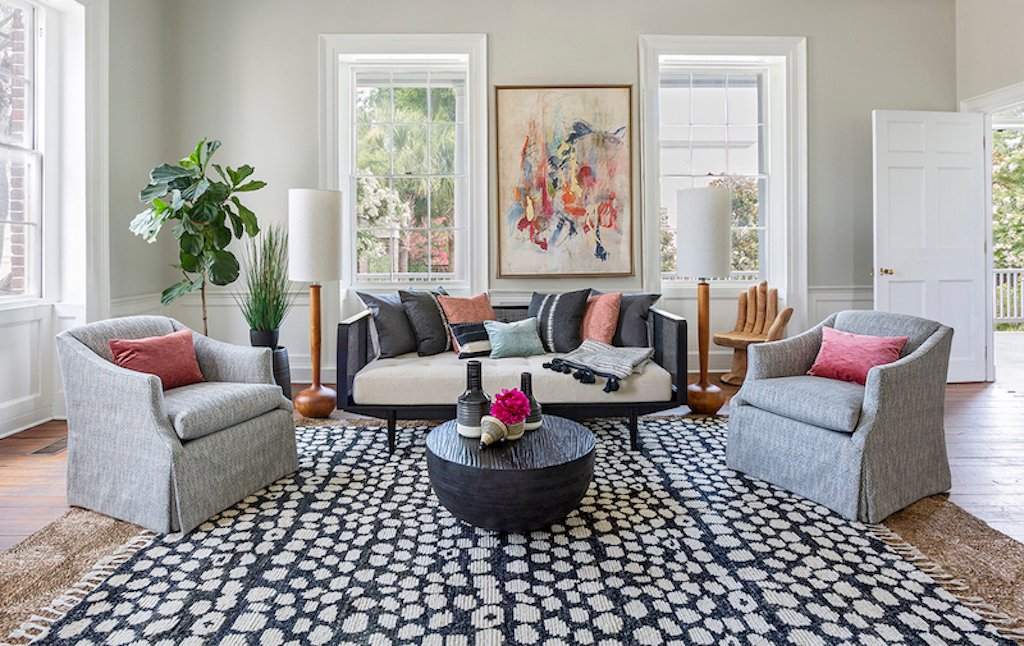

Mid-century modern furniture continues to be one of the most admired design styles in homes, offices, and commercial spaces around the world. Its timeless appearance, practical functionality, and emphasis on craftsmanship have allowed it to remain relevant decades after its introduction. From elegant wooden sideboards to iconic lounge chairs, this design movement blends beauty with everyday usability. Whether you are decorating a new home or adding vintage pieces to an existing collection, understanding the history and authenticity of mid-century modern furniture helps you make informed decisions. This guide explores the origins of the style, its legendary designers, identifying authentic pieces, and practical tips for choosing furniture that will remain stylish for years to come.
The Origins and History of Mid-Century Modern Furniture
The story of mid-century modern furniture began during the mid-1940s and continued through the late 1960s, a period marked by innovation, economic growth, and changing lifestyles. Designers sought to create furniture that was simple, functional, and affordable for the growing middle class. Traditional decorative styles gave way to clean lines, minimal ornamentation, and furniture that emphasized comfort without sacrificing elegance. This approach reflected the modern architectural movement that focused on open spaces and practical living.
Natural materials such as walnut, teak, oak, leather, and molded plywood became defining features of the movement. Advances in manufacturing techniques allowed designers to experiment with new materials like fiberglass and molded plastic while maintaining durability and comfort. These innovations transformed furniture production and made stylish pieces accessible to more households. The result was a design philosophy that valued both form and function equally.
The popularity of mid-century modern furniture spread quickly across North America and Europe because it suited modern lifestyles perfectly. Homes became more open and less formal, requiring furniture that could adapt to different spaces and uses. The clean silhouettes and practical construction made these pieces ideal for everyday living. Even decades later, homeowners and interior designers continue to appreciate the timeless appeal of this influential design movement.
Iconic Designers Who Defined the Movement
Several visionary designers played an essential role in shaping the identity of this remarkable design era. Charles and Ray Eames introduced groundbreaking furniture that combined comfort, technology, and artistic creativity. Their molded plywood chairs and lounge chair designs remain some of the most recognized furniture pieces ever created. Their philosophy centered on creating beautiful furniture that served practical purposes while maintaining exceptional craftsmanship.
Another influential figure was Hans Wegner, whose handcrafted wooden chairs demonstrated extraordinary attention to detail and ergonomic comfort. Arne Jacobsen introduced elegant designs that embraced organic forms and innovative materials, while George Nelson contributed functional storage systems and distinctive seating options. Each designer brought a unique perspective while remaining committed to simplicity and usability, strengthening the global reputation of modern design.
The influence of these designers extends far beyond museums and collector circles because their work continues to inspire contemporary furniture manufacturers. Many modern companies produce licensed reproductions or draw inspiration from these legendary creations. Understanding these iconic figures helps buyers recognize the characteristics that define authentic mid-century modern furniture and appreciate the craftsmanship behind each timeless design.
Key Characteristics That Make Mid-Century Modern Furniture Unique
One of the most recognizable features of mid-century modern furniture is its emphasis on clean, straight lines balanced with gentle organic curves. Rather than relying on excessive decoration, designers allowed the natural beauty of wood grain and quality materials to become the focal point. Slim tapered legs, smooth surfaces, and minimal hardware contribute to an elegant appearance that works well in both traditional and contemporary interiors.
Functionality remains another defining characteristic of this furniture style. Every piece was designed with a purpose, ensuring that beauty never compromised usability. Storage cabinets offered practical organization, dining tables expanded for entertaining guests, and seating prioritized ergonomic comfort. This thoughtful approach continues to appeal to homeowners seeking furniture that combines visual appeal with everyday practicality.
Material selection also distinguishes authentic mid-century pieces from other furniture styles. Premium hardwoods like walnut and teak are frequently paired with leather, glass, metal, or woven materials to create sophisticated contrasts. These carefully selected combinations enhance durability while preserving a warm and inviting atmosphere. As a result, many original pieces remain in excellent condition decades after their production.
How to Identify Authentic Mid-Century Modern Furniture
As demand for vintage furniture continues to grow, distinguishing authentic pieces from reproductions has become increasingly important. One of the first indicators of authenticity is the quality of craftsmanship. Original furniture often features solid wood construction, expertly crafted joints, and exceptional finishing techniques that reflect careful attention to detail. Mass-produced replicas may resemble vintage designs but often lack the same structural integrity and material quality.
Manufacturer labels, stamps, and original documentation provide valuable clues when verifying authenticity. Many renowned manufacturers included identification marks underneath chairs, tables, or cabinets that help establish the furniture’s origin. Researching these labels and comparing them with historical production records can provide additional confidence before making a significant purchase. Collectors frequently rely on these details to determine authenticity and market value.
Natural aging also offers important evidence when evaluating vintage furniture. Genuine older pieces develop a rich patina, subtle wear patterns, and color variations that occur naturally over decades of use. While careful restoration may improve appearance, authentic furniture generally retains signs of age that contribute to its character. Buyers should inspect construction techniques, hardware, and wood quality carefully before investing in valuable pieces.
Why Mid-Century Dining Furniture Remains So Popular
Among the many categories of vintage furnishings, mid-century dining furniture has experienced remarkable popularity in recent years. Dining tables, sideboards, chairs, and buffets from this era combine practicality with sophisticated aesthetics, making them suitable for both everyday meals and formal gatherings. Their understated elegance allows them to complement various decorating styles without overwhelming the surrounding space.
Modern homeowners appreciate how mid-century dining furniture creates welcoming dining environments while maximizing available space. Many dining tables include extension mechanisms that accommodate additional guests without sacrificing visual balance. Matching chairs emphasize ergonomic comfort while maintaining lightweight silhouettes, allowing dining rooms to feel open and inviting even in smaller homes. These thoughtful design elements continue to attract families seeking long-lasting functionality.
Another reason for the continued demand is the remarkable versatility of mid-century dining furniture. Vintage dining sets blend effortlessly with contemporary lighting, minimalist décor, and modern flooring materials. Whether placed in urban apartments or spacious suburban homes, these pieces create harmonious interiors that balance classic craftsmanship with modern living. Their adaptability ensures lasting value and continued popularity among interior designers and homeowners alike.
Tips for Buying and Caring for Mid-Century Modern Furniture
Purchasing vintage furniture requires patience, research, and careful inspection to ensure lasting satisfaction. Buyers should examine construction quality, wood condition, hardware, and any previous repairs before finalizing a purchase. Reputable antique dealers and specialized vintage furniture retailers often provide valuable information regarding provenance and restoration history. Taking time to compare multiple pieces helps identify quality investments that maintain both beauty and value.
Proper maintenance plays a significant role in preserving the appearance and longevity of valuable furniture. Regular dusting with soft cloths, avoiding prolonged exposure to direct sunlight, and maintaining stable indoor humidity help protect wood finishes from unnecessary damage. Gentle cleaning products specifically designed for hardwood furniture should always be used to prevent deterioration of original finishes. Preventive care significantly extends the life of cherished vintage pieces.
When incorporating vintage furniture into modern interiors, balance is essential for creating cohesive spaces. Pairing classic wooden cabinets with contemporary artwork or modern lighting creates attractive visual contrast while preserving the furniture’s historical character. Thoughtful placement allows each piece to become a focal point without making the room appear outdated. This balanced approach ensures timeless interiors that celebrate both heritage and innovation.
Why Authentic Pieces Continue to Increase in Value
Authentic vintage furniture has become increasingly desirable among collectors and homeowners because of its limited availability and exceptional craftsmanship. As fewer original pieces remain in excellent condition, demand continues to rise across international markets. Well-preserved furniture from respected designers often appreciates in value over time, making it both a functional household item and a worthwhile long-term investment.
Sustainability has also contributed significantly to the renewed appreciation of vintage furniture. Choosing existing high-quality furniture reduces environmental impact by minimizing the demand for newly manufactured products. Many buyers value the opportunity to own durable furniture that has already demonstrated its longevity through decades of everyday use. This environmentally conscious perspective aligns perfectly with modern sustainable living practices.
Interior designers frequently recommend authentic vintage furniture because it introduces character and history into contemporary homes. Unlike mass-produced alternatives, original handcrafted pieces possess unique details, premium materials, and timeless proportions that remain visually appealing across changing design trends. Investing in authentic furniture therefore offers aesthetic, historical, environmental, and financial benefits that extend far beyond simple decoration.
Conclusion
The enduring popularity of mid-century modern furniture reflects its remarkable combination of elegant design, practical functionality, and exceptional craftsmanship. From its innovative origins in the mid-twentieth century to its continued influence on today’s interiors, this design movement has consistently demonstrated that simplicity never goes out of style. Learning about its history, legendary designers, distinctive characteristics, and methods of identifying authentic pieces allows buyers to make confident purchasing decisions. Whether you are searching for statement seating, vintage storage, or beautifully crafted mid-century dining furniture, investing in authentic pieces brings timeless style, lasting quality, and enduring value to any living space.