
Thyroid disease affects millions of Australians and it appears regularly on the medical history forms of patients presenting for cataract surgery. Most of the time it changes very little about the operation. In a smaller group particularly those with thyroid eye disease the timing and the preparation genuinely matter and that distinction is worth understanding before booking a date.
The Most Common Situation
An underactive thyroid managed with a stable dose of thyroxine is usually irrelevant to cataract surgery. Blood tests are already monitored by the GP and the surgical team simply needs to know the condition is controlled. Patients in this group can expect the same assessment timeline and the same recovery as anyone else.
When the Thyroid Becomes Relevant
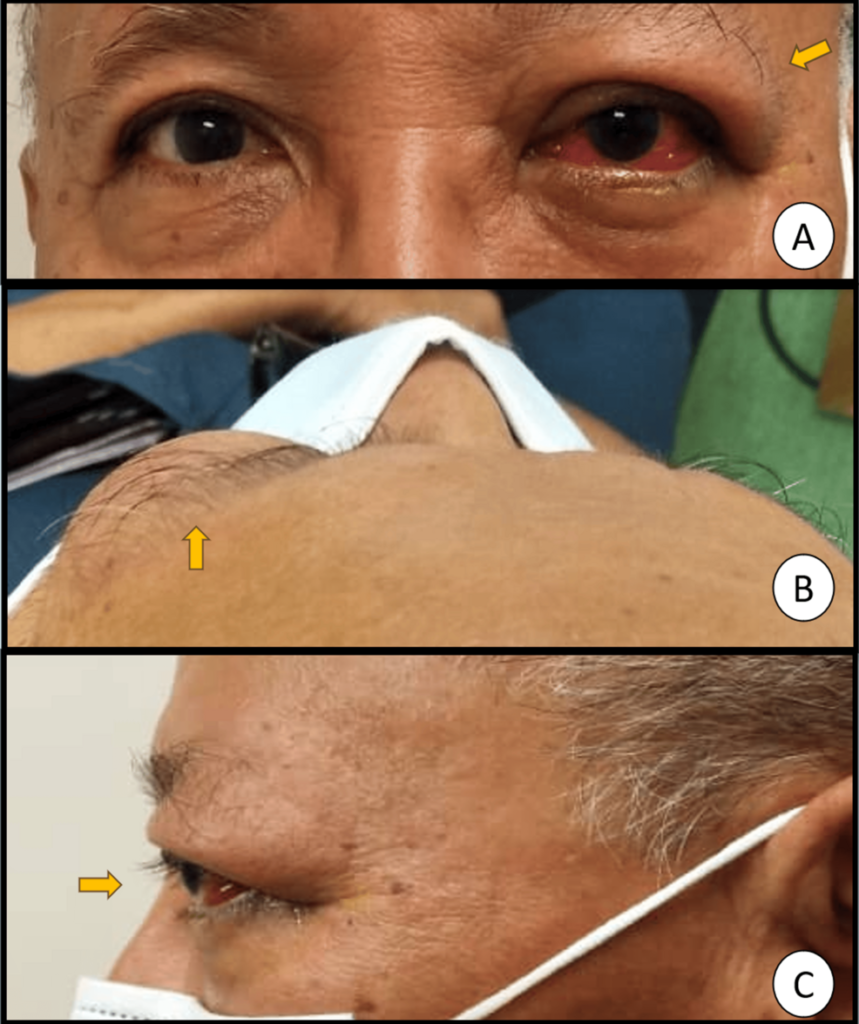
The picture changes when the thyroid has affected the eye itself which happens most often with Graves disease. The tissues around the eye can become inflamed the lids retract and the eye may sit slightly forward in the socket. These changes affect both the surgical approach and the expected outcome so they deserve a proper examination rather than a glance.
Why Disease Stability Matters Before Surgery
Operating on an eye with active thyroid eye disease can worsen inflammation and make the recovery harder to interpret. Most surgeons prefer the condition to be quiet for a period before scheduling cataract surgery. For anyone arranging an eye and laser centre gold coast based assessment the honest answer about disease activity is more useful than a reassuring one.
Dry Eye and Surface Problems
Thyroid eye disease is frequently accompanied by a poor tear film which affects measurement accuracy and post operative comfort. Dryness can make biometry readings variable and can slow healing after the operation. Treating the surface before measurements are taken improves both the numbers and the patient’s experience afterwards.
Eyelid Position and Surgical Access
Retracted lids and a slightly protruding eye can make the surgical field less straightforward than usual. The surgeon may need to adjust the approach or use additional measures to keep the eye positioned comfortably. These adaptations are routine for an experienced specialist but they are another reason the condition should be declared rather than mentioned in passing.
Medication and General Health Considerations
Some patients take anti thyroid medication that requires monitoring around any surgery. Steroid treatment used for thyroid eye disease can affect blood sugar and healing which needs to be factored into the plan. The key practical steps are straightforward.
-
Confirm thyroid blood tests are recent and stable
-
List every medication including steroids and thyroxine doses
-
Mention any history of eye inflammation even if it was years ago
Coordinating With Your Endocrinologist
Providers such as eye surgery work alongside the treating physician rather than in isolation because thyroid control sits outside the eye consultation. A short letter or a phone call between the two teams prevents conflicting advice. Patients who bring recent results to the consultation save everyone a round of correspondence.
What the Recovery Looks Like
In a stable eye the recovery is identical to any other cataract operation with drops for a month and reviews at defined points. Where thyroid eye disease is present the reviews may be closer together and dryness may take longer to settle. Vision usually improves well though eyelid position and surface comfort can influence how the result feels.
Setting Realistic Expectations
Cataract surgery fixes the lens and it does not fix thyroid eye disease. Patients with prominent eyes or lid retraction should understand that some of what bothers them will remain after the operation. Discussing that honestly beforehand prevents the disappointment that comes from expecting one procedure to solve two problems.
Final Thoughts
Thyroid disease rarely prevents cataract surgery but it does change how carefully the eye should be assessed beforehand. Stable disease recent blood tests and an honest account of any eye symptoms cover the essentials. A specialist who asks about the thyroid rather than skimming past it is asking the right question.