



Menstrual hygiene is an important part of personal health and everyday well-being. Every person experiences menstruation differently, and choosing suitable menstrual products can make periods more comfortable and manageable. Today, several menstrual hygiene products are available, including reusable underwear, disposable pads, tampons, and panty liners. Each product has a different purpose, absorbency level, and method of use.
Understanding these options can help individuals make informed decisions based on their menstrual flow, daily activities, comfort, and personal preferences. It is also important to understand how to use, clean, and dispose of these products correctly to maintain proper hygiene.
1. What Is Period Underwear?
Period underwear is specially designed underwear that can absorb menstrual blood without requiring a separate disposable product. It usually contains multiple fabric layers that help absorb moisture, prevent leakage, and keep the outer layer relatively dry.
One of the main advantages of period underwear is that it can be washed and reused. This makes it a practical option for people who prefer reusable menstrual products. Depending on the design and absorbency level, it can be used during light, moderate, or heavy menstrual flow.
Period underwear is available in different styles, including briefs, hipsters, and high-waisted designs. Some people use it as their primary menstrual protection, while others wear it as additional protection alongside tampons or menstrual cups.
Before choosing period underwear, it is useful to check its absorbency capacity, fabric composition, washing instructions, and expected lifespan. Proper washing and complete drying are important for maintaining hygiene.
2. Understanding Sanitary Pads
Sanitary pads are among the most commonly used menstrual hygiene products. They are designed to absorb menstrual blood externally and are attached to the inside of underwear using an adhesive strip.
Different types of sanitary pads are available for different menstrual needs. These include regular pads, overnight pads, ultra-thin pads, and pads designed for heavy flow. Some products also have wings that wrap around the sides of underwear to help keep the pad in place.
The correct pad depends on menstrual flow, comfort, and personal preference. People with heavier periods may require higher-absorbency products, while those with lighter flow may prefer thinner options.
Pads should be changed regularly, depending on the amount of menstrual flow and the manufacturer’s instructions. Wearing the same pad for too long can lead to discomfort, unpleasant odours, and skin irritation. Used disposable pads should be wrapped and placed in a waste bin rather than flushed down the toilet.
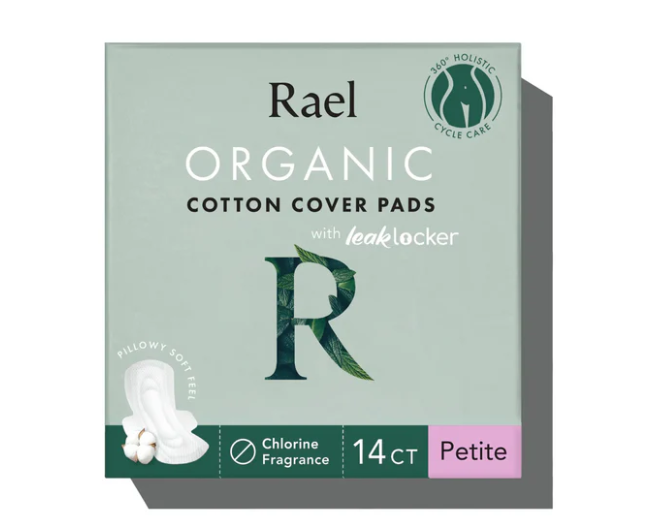
3. Benefits and Features of Organic Cotton Menstrual Pads
Organic cotton menstrual pads are designed using cotton grown under organic agricultural standards. They are an option for individuals who prefer cotton-based materials for menstrual care.
Cotton is generally known for its softness and breathability. Some people find cotton-based products more comfortable, especially when they experience skin sensitivity during menstruation. However, individual reactions can vary depending on the materials, adhesives, and other components used in a product.
Organic cotton menstrual pads may be available in disposable and reusable varieties. Disposable options are used once and discarded, while reusable cloth pads can be washed and used again according to their care instructions.
When selecting these products, it is important to check the product label carefully. The term organic cotton may refer only to the cotton component rather than every material used in the product.
Reusable pads should be washed thoroughly and dried completely before their next use. This helps reduce moisture retention and supports better menstrual hygiene.
4. What Should You Know About Tampons Singapore?
Tampons are menstrual products designed to absorb blood internally. They are generally made from absorbent materials and are inserted into the vagina during menstruation.
People searching for tampons Singapore may find different types, absorbency levels, and applicator designs. Some tampons come with cardboard or plastic applicators, while others are designed for insertion without an applicator.
Choosing the correct absorbency is important. A tampon should have the lowest absorbency needed to manage menstrual flow. It should generally be changed every four to eight hours and should never be worn for more than eight hours.
Leaving a tampon inserted for too long may increase the risk of toxic shock syndrome (TSS), a rare but serious medical condition. Users should follow the instructions provided with the product and seek medical advice if they experience unusual symptoms such as sudden fever, vomiting, dizziness, or a rash.
Tampons are a personal choice, and they may not be comfortable or suitable for everyone. Understanding correct insertion, removal, and replacement practices is essential before using them.
5. When Are Panty Liners Useful?
Panty liners are thin absorbent products designed for light daily moisture and discharge. They are smaller and thinner than regular menstrual pads and are not generally intended for heavy menstrual flow.
They can be useful towards the beginning or end of a period when menstrual bleeding is light. Some individuals also use them to manage normal vaginal discharge or provide additional protection alongside other menstrual products.
Panty liners are available in different shapes, sizes, and materials. Some are fragrance-free, while others contain added fragrances. Individuals with sensitive skin may prefer fragrance-free options because scented products can sometimes cause irritation.
Panty liners should be changed regularly, particularly when they become damp. Wearing them continuously for extended periods without changing may contribute to moisture and discomfort.
It is also important to understand that normal vaginal discharge is a natural process. It does not always require additional protection. If discharge has an unusual smell, colour, or texture, or is accompanied by itching or pain, medical advice may be necessary.
6. How to Choose the Right Menstrual Hygiene Product
Choosing a menstrual product depends on several personal factors. There is no single option that works equally well for everyone.
Consider the following points before making a choice:
- Menstrual flow: Heavy, moderate, and light periods may require different absorbency levels.
- Comfort: Material, fit, thickness, and product design can influence comfort.
- Daily activities: Work, exercise, travel, and sleeping habits may affect product preferences.
- Skin sensitivity: Fragrance-free and suitable materials may help reduce irritation for some people.
- Reusable or disposable: Reusable products require regular washing, while disposable products need proper disposal.
- Maintenance: Always understand the cleaning, replacement, and storage instructions.
Some individuals prefer using more than one type of product during their menstrual cycle. For example, they may use higher-absorbency products during the first few days and lighter protection towards the end.
7. Importance of Menstrual Hygiene
Maintaining menstrual hygiene involves more than choosing the right product. Regular replacement, proper cleaning, and safe disposal are equally important.
Wash your hands before and after changing menstrual products. Keep reusable products clean and dry. Avoid using heavily scented intimate products if they cause irritation. Also, avoid inserting products that are not specifically designed for menstrual use.
It is important to understand your normal menstrual cycle and notice any unusual changes. Very heavy bleeding, severe pain, unusually long periods, or sudden changes in menstrual patterns may require medical attention.
Access to accurate information about menstrual health can help individuals feel more confident about their choices and maintain healthy daily routines.
Conclusion
Menstrual hygiene products serve different purposes, and selecting the right option depends on comfort, menstrual flow, lifestyle, and personal needs. Understanding the features and correct usage of different products helps individuals make informed decisions.
Whether someone prefers period underwear, sanitary pads, organic cotton menstrual pads, tampons Singapore, or panty liners, proper usage and hygiene practices remain important. Learning about absorbency, replacement schedules, cleaning requirements, and possible skin reactions can help make menstrual care safer and more comfortable.


