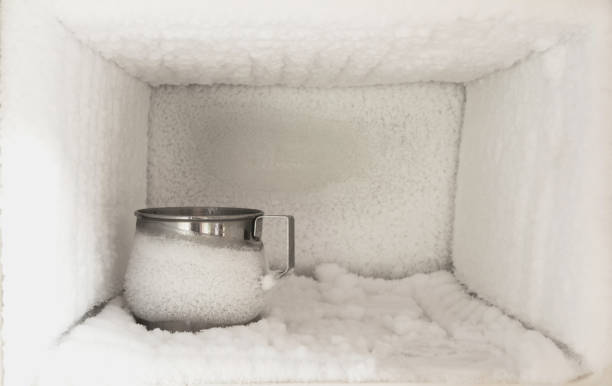
Frost inside a freezer is a common problem that can affect food storage, reduce available space, and make it harder to keep the appliance working properly. A thin layer of frost may develop during normal use, especially when the freezer door is opened frequently. However, thick ice on the walls, shelves, or food packages can indicate an underlying issue that needs attention.
Understanding what causes frost to build up inside a freezer can help you identify the problem and take steps to prevent it. Common causes include damaged door seals, humid air entering the freezer, blocked air vents, incorrect temperature settings, and problems with the automatic defrost system. If frost continues to return after basic troubleshooting, professional inspection may be necessary.
1. Frequent Opening of the Freezer Door
Opening the freezer door allows warm air from the surrounding room to enter the cold compartment. This air contains moisture that condenses on cold surfaces and freezes into small ice crystals. When the door is opened repeatedly throughout the day, moisture can accumulate faster than the freezer can manage it.
Leaving the door open while searching for food can make the problem worse. Humid conditions in the kitchen may also increase the amount of moisture entering the appliance.
To reduce frost formation, keep the freezer organized so you can find items quickly. Close the door as soon as possible after removing or adding food. If frost appears mainly near the door opening, frequent access or poor sealing may be responsible.
2. A Damaged or Loose Door Seal
The rubber gasket around the freezer door creates a barrier that keeps cold air inside and prevents warm air from entering. When this seal becomes cracked, loose, dirty, or worn, humid air can enter even when the door appears closed.
A damaged gasket may cause frost to form around the door edges, on nearby shelves, or along the interior walls. You may also notice that the freezer struggles to maintain a consistent temperature.
Inspect the seal for visible damage and food residue. Clean it gently with a soft cloth and mild soapy water, then dry it completely. Check whether the door closes firmly without any gaps. If the gasket no longer seals properly, replacement may be necessary.
A persistent sealing problem can also affect cooling performance. If your appliance is not maintaining the correct temperature, visit the refrigerator repair service page to learn more about available repair support.
3. Incorrect Freezer Temperature Settings
The temperature setting can influence frost formation and food storage. A freezer that is set colder than necessary may contribute to excess frost under certain conditions, particularly when moisture is entering the compartment. Incorrect settings can also make the appliance work harder than needed.
For most household freezers, the recommended temperature is approximately 0°F (-18°C). Check the owner’s manual to confirm the appropriate setting for your model and use an appliance thermometer if you need to verify the actual temperature.
Avoid changing the temperature repeatedly in an attempt to remove frost. Allow the freezer enough time to stabilize after making an adjustment. If frost continues to build up despite the correct setting, another issue may be responsible.
4. Blocked Air Vents and Poor Air Circulation
Freezers depend on proper airflow to maintain an even temperature throughout the compartment. When food containers, bags, or ice buildup block the air vents, cold air may not circulate as intended. This can create temperature differences and contribute to moisture problems.
An overcrowded freezer may also prevent the door from closing completely. Large packages pushed against the back wall can restrict airflow, while items placed near the door may interfere with the gasket.
Keep food arranged neatly and leave the air vents clear. Avoid packing items tightly against the interior walls or blocking the fan area. If you notice frost concentrated around certain vents or cooling areas, check for obstructions.
If poor cooling occurs alongside heavy frost, the issue may require further troubleshooting. The guide to freezer not cooling and troubleshooting tips explains common freezer performance problems and what to check.
5. Storing Warm Food in the Freezer
Placing warm food directly into the freezer introduces additional heat and moisture into the compartment. As the food cools, moisture can enter the surrounding air and freeze on nearby surfaces or food packaging.
This is more likely to happen when several warm containers are placed inside at once or when food is left uncovered. The added heat may also temporarily affect the freezer’s internal temperature.
Allow freshly cooked food to cool safely before freezing it. Divide large portions into smaller, shallow containers to help them cool more quickly, and follow food safety guidance when handling perishable meals. Use airtight, freezer-safe containers or bags to limit moisture escaping into the freezer.
These simple storage habits can help reduce frost and protect food quality.
6. A Faulty Automatic Defrost System
Many modern freezers have an automatic defrost system designed to remove frost that naturally forms on the evaporator coils. Depending on the appliance, this system may include a defrost heater, thermostat or temperature sensor, and control timer or electronic board.
If one of these components fails, frost may accumulate on the evaporator coils instead of melting during the regular defrost cycle. As ice builds up, it can restrict airflow and reduce cooling performance.
Signs of a possible defrost problem include thick frost behind the interior panel, reduced airflow, unusual temperature changes, or a freezer that gradually becomes less effective at keeping food frozen.
These symptoms can have several causes, so a professional diagnosis is often the best approach. Avoid removing internal panels or attempting electrical repairs unless you have the required training.
7. A Door That Does Not Close Properly
Sometimes the freezer door itself is not damaged, but something prevents it from closing fully. A food package, misaligned drawer, ice buildup, or incorrectly positioned shelf may leave a small gap. Even a narrow opening can allow humid air to enter continuously.
Check whether containers or bags are sticking out beyond the shelves. Make sure drawers sit correctly in their tracks and that the door is not obstructed. If the appliance was recently moved or installed, check the manufacturer’s instructions for proper leveling and door alignment.
A door that repeatedly swings open or fails to seal may need adjustment or repair. Addressing this issue early can help prevent recurring frost and unnecessary strain on the cooling system.
Common Causes of Freezer Frost and Their Solutions
| Cause | Common sign | Recommended action |
| Frequent door opening | Frost near the opening or on food | Reduce the time the door stays open |
| Damaged door gasket | Frost around door edges | Clean and inspect the seal; replace if needed |
| Incorrect temperature | Excess frost or unstable cooling | Check the recommended temperature |
| Blocked air vents | Uneven cooling and localized frost | Rearrange food and clear vents |
| Warm or uncovered food | Frost on nearby packages | Cool food safely and use sealed containers |
| Defrost system failure | Heavy, recurring internal ice | Arrange professional inspection |
| Door obstruction | Door does not close completely | Reposition food, drawers, or shelves |
How to Remove Frost Safely
If your freezer has accumulated a thick layer of frost, removing it may restore storage space and improve airflow. Before defrosting, check the manufacturer’s instructions because the correct process depends on the appliance model.
For a freezer that requires manual defrosting:
- Transfer frozen food to a suitable cooler or another freezer.
- Disconnect the appliance from power according to the manufacturer’s instructions.
- Leave the door open and allow the ice to melt naturally.
- Place towels nearby to collect water and clean the interior once the frost has melted.
- Dry the compartment thoroughly before restarting the appliance.
Never use knives, screwdrivers, or other sharp objects to chip away ice. Avoid applying direct heat unless the manufacturer specifically permits it, as this can damage components or create a safety risk.
If heavy frost returns soon after defrosting, removing the ice alone will not solve the underlying problem. The door seal, airflow, temperature controls, and defrost system may need to be checked.
When Should You Call a Refrigerator Repair Professional?
Some frost problems can be resolved by changing everyday habits, cleaning the gasket, and keeping air vents clear. However, professional help is recommended when the ice keeps returning or the freezer no longer maintains a safe temperature.
Consider arranging a repair inspection if you notice:
- Thick frost returning soon after defrosting.
- Food thawing or becoming softer than usual.
- Unusual noises or signs of poor airflow.
- A door seal that remains loose after cleaning.
- Ice buildup behind internal panels.
- A freezer that runs continuously but does not cool properly.
A trained technician can inspect the relevant components, identify the source of the problem, and recommend the appropriate repair. Timely attention can help protect stored food and reduce the risk of further appliance damage.
Homeowners in Oakland can explore the Oakland appliance service page for location-specific information about repair services.
Final Thoughts
Frost inside a freezer usually develops when moisture enters the compartment and freezes on cold surfaces. Frequent door opening, damaged seals, blocked vents, incorrect temperature settings, and warm food can all contribute to the problem. In frost-free models, heavy or recurring ice may also indicate a malfunctioning automatic defrost system.
Start by checking the door, organizing stored food, clearing the vents, and confirming the recommended temperature. If frost continues to return or cooling performance declines, arrange a professional inspection rather than repeatedly removing the ice without addressing its cause.
Taking care of small problems early can help your freezer maintain consistent temperatures, preserve food quality, and operate more reliably.