

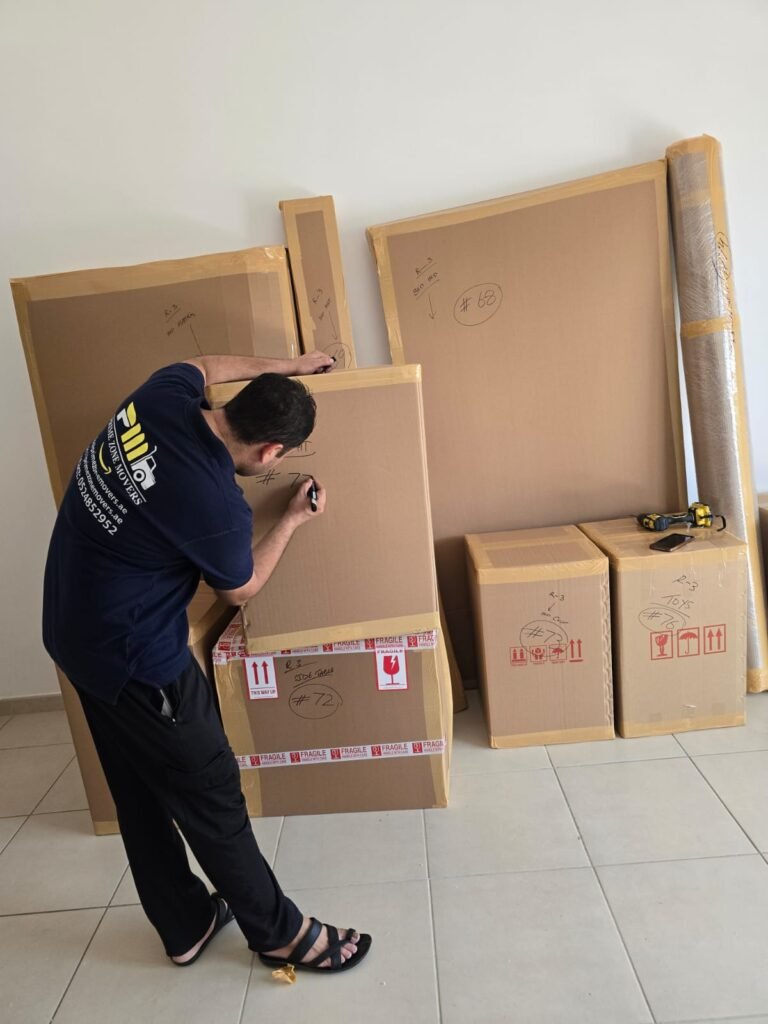

Hiring movers can mean very different things depending on the service package you choose. Some moving companies provide transportation and loading only, while full-service movers can manage almost every physical stage of a relocation.
A complete moving service may include packing, furniture protection, dismantling, loading, transportation, unloading, reassembly and unpacking. Some providers can also arrange temporary storage when the new property is not ready for immediate delivery.
Understanding exactly what full-service movers do makes it easier to compare quotations and decide which tasks you want professionals to handle.
This guide explains the typical stages of professional moving services, what may cost extra, and which responsibilities normally remain with the customer.
What Are Full-Service Movers?
Full-service movers are moving professionals who manage multiple stages of a relocation rather than providing transportation alone.
Depending on the agreed package, their work can include:
- Pre-move assessment
- Packing materials
- Full or partial packing
- Furniture wrapping
- Furniture dismantling
- Loading
- Transportation
- Unloading
- Furniture reassembly
- Room placement
- Unpacking
- Packing-material collection
- Temporary storage
Customers who want these stages coordinated through one provider can consider professional moving and packing services rather than arranging separate companies for packing, transportation, and furniture handling.
However, the term “full service” does not have exactly the same meaning at every moving company.
Always ask for a written list of included services before booking.
1. Pre-Move Survey and Planning
A professional move should begin with an assessment.
The moving company needs to understand:
- Property size
- Number of rooms
- Furniture inventory
- Approximate box quantity
- Fragile belongings
- Large or heavy items
- Access conditions
- Packing requirements
- Destination details
- Storage requirements
The survey may be completed in person or through photographs and a detailed virtual walkthrough.
This information helps the mover estimate:
- Crew size
- Vehicle requirements
- Packing materials
- Working hours
- Equipment
- Moving cost
An accurate inventory is important.
Do not forget storage rooms, balconies, garages, wardrobes, or other areas containing belongings.
Adding significant amounts of furniture after receiving a quotation can change the moving plan.
2. Packing Materials
One major advantage of full-service movers is that customers may not need to source every packing material independently.
Depending on the service, professional movers may supply:
- Small moving boxes
- Medium cartons
- Large cartons
- Wardrobe boxes
- Packing paper
- Bubble cushioning
- Packing tape
- Stretch wrapping
- Mattress covers
- Furniture blankets
- Foam sheets
- Corner protectors
- Labels
Different belongings require different materials.
Heavy books, for example, are generally better packed in smaller strong cartons, while bedding and pillows can be placed in larger lightweight boxes.
Highly fragile or unusual belongings may require additional materials or custom packing.
Ask whether all packing materials are included in the quotation or charged according to usage.
3. Full Packing Services
Full packing means professional packers prepare most ordinary belongings for transportation.
They may pack:
- Clothing
- Books
- Kitchenware
- Glassware
- Decorations
- Electronics
- Bedding
- Toys
- Office contents
- Household accessories
The team usually works systematically by room.
Boxes should be labeled so movers know where they belong at the destination.
Customers with large inventories or limited preparation time can combine their move with packing and unpacking services instead of packing the complete property themselves.
Even with full packing, personal valuables and essential documents should normally remain with the customer.
4. Partial Packing Services
You do not necessarily need professional packers for every item.
Partial packing allows you to divide the work.
For example, you could personally pack:
- Clothes
- Books
- Bedding
- Toys
while movers handle:
- Kitchenware
- Artwork
- Mirrors
- Electronics
- Fragile decorations
- Furniture
Partial packing can reduce professional packing labor while still providing specialist help where it matters most.
Make sure both parties know which items are being packed by whom.
5. Fragile-Item Packing
Fragile belongings often require more preparation than standard household items.
These may include:
- Glass
- Mirrors
- Artwork
- Ceramics
- Collectibles
- Large televisions
- Sensitive electronics
- Decorative objects
Professional packers may use additional cushioning, reinforced cartons, edge protection or specialty containers.
The goal is not simply to add more wrapping.
The item must also be positioned securely so that it does not move excessively inside the package during transportation.
Particularly valuable or unusual items may require custom packing or crating.
6. Furniture Protection
Furniture moving is a major part of a full-service relocation.
Professional movers may protect furniture using:
- Moving blankets
- Stretch wrapping
- Sofa covers
- Mattress covers
- Corner guards
- Foam sheets
- Cardboard protection
Different materials require different handling.
Wooden furniture needs protection against scratches and pressure, while upholstered furniture should be protected from dirt and tearing.
Glass furniture may require individual protection and careful vehicle positioning.
Customers with substantial or difficult furniture can also use dedicated furniture moving services where wrapping, handling, and transportation are coordinated together.
7. Furniture Dismantling
Some furniture cannot be transported safely in one piece.
Professional movers may partially dismantle:
- Beds
- Wardrobes
- Dining tables
- Desks
- Shelving systems
- Modular sofas
- Large cabinets
Removing detachable components can:
- Reduce item size
- Make carrying easier
- Protect weak joints
- Improve access through doors
- Reduce vehicle space
Screws, brackets and other fittings should be stored in labeled bags.
Furniture should not be dismantled more than necessary.
Antique, custom-made or previously repaired furniture may require special consideration.
8. Property Protection
A professional moving service should consider the property as well as the belongings.
Moving large furniture through hallways and entrances can damage:
- Floors
- Walls
- Doors
- Elevators
- Staircases
Depending on the situation, movers may use:
- Floor protection
- Doorway covers
- Corner protection
- Elevator padding
- Moving blankets
Customers can help by clearing pathways before the crew arrives.
Remove:
- Shoes
- Toys
- Cables
- Loose rugs
- Decorative objects
- Small furniture
Clear working areas to reduce obstacles during carrying and loading.
9. Loading the Moving Vehicle
Loading is not simply a matter of putting boxes into a truck.
Movers must consider:
- Item weight
- Furniture stability
- Fragility
- Vehicle space
- Unloading order
- Load movement
Heavy and stable belongings should be positioned carefully so they do not place unnecessary pressure on fragile items.
Movers may use:
- Straps
- Trolleys
- Dollies
- Ramps
- Furniture blankets
- Other handling equipment
Professional loading can reduce unnecessary movement during transportation.
The general principles in the HSE guidance on safe lifting and handling also emphasize planning lifts, using assistance or handling aids where appropriate, keeping loads controlled, and avoiding unnecessary twisting.
10. Transportation
Once loading is complete, the moving company transports the inventory to the destination or storage facility.
Before departure, confirm:
- Destination address
- Contact number
- Delivery access
- Parking arrangements
- Elevator availability
- Expected timing
The moving company should know about restrictions before arrival.
For example, a property may have:
- Limited vehicle access
- Loading restrictions
- Reserved elevator times
- Security registration
- Restricted moving hours
Advance planning can prevent the moving vehicle from arriving when access is unavailable.
11. Temporary Storage
Sometimes belongings cannot be delivered immediately.
Storage may be required when:
- Move-out and move-in dates do not match
- Renovation work is incomplete
- The destination is smaller
- The relocation is being completed in stages
- Temporary accommodation is being used
A full-service moving company may be able to transfer belongings directly into storage and deliver them later.
Before choosing storage, ask:
- How belongings are inventoried
- How storage is charged
- Whether access is available
- How much notice is required
- Whether retrieval costs extra
- Whether final delivery is included
- Which items cannot be stored
Storage costs should be separated clearly from moving charges.
12. Unloading
When the vehicle reaches the destination, movers unload the inventory.
A good labeling system makes this stage easier.
Boxes should ideally identify destination rooms such as:
- Kitchen
- Main bedroom
- Bedroom 2
- Living room
- Office
Movers can then place boxes directly into the appropriate areas.
For full household moves, residential moving services may combine packing, furniture transportation, unloading and room placement according to the agreed package.
Before unloading begins, make sure the destination pathways are clear.
13. Furniture Reassembly
Furniture dismantled by movers may be reassembled at the destination when that service is included.
Common examples include:
- Bed frames
- Tables
- Wardrobes
- Shelving
- Modular furniture
- Sofa components
After reassembly, check:
- Furniture stability
- Doors
- Drawers
- Shelves
- Fittings
Do not assume that all installation work is included.
Wall mounting, electrical connections, plumbing or complex custom installations may require separate specialists.
14. Furniture and Box Placement
Professional moving services may include placing furniture and boxes in their intended rooms.
Preparing a simple destination plan can make this much easier.
Decide in advance where major items should go, especially:
- Beds
- Sofas
- Dining tables
- Wardrobes
- Desks
- Cabinets
Moving heavy furniture several times after assembly wastes time and increases handling.
Room labels at the destination can also help the crew work efficiently.
15. Unpacking Services
Some full-service movers offer unpacking after delivery.
Depending on the package, unpackers may:
- Open boxes
- Remove packing materials
- Place contents on available surfaces
- Help arrange basic belongings
- Collect empty boxes
Standard unpacking does not always include detailed organization of cupboards, wardrobes and shelves.
Ask what the company means by “unpacking” before booking.
16. Packing-Material Removal
A complete unpacking package may include collection of empty cartons and used packing materials.
This can reduce the amount of waste left around the property after moving.
However, ask whether:
- Collection happens immediately
- A later collection must be scheduled
- All materials are removed
- Extra collection costs apply
Do not assume debris removal is automatically included.
What Is Usually Not Included in Full-Service Moving?
Even a comprehensive moving package has limits.
Services that may require separate arrangements include:
- Electrical work
- Plumbing
- Gas connections
- Complex appliance installation
- Wall mounting
- Custom carpentry
- Furniture repair
- Cleaning
- Waste removal
- Specialist technical installation
Some moving companies may provide these services through separate teams, while others may not offer them at all.
Always confirm before moving day.
What Will Movers Usually Not Pack?
Moving companies can have restrictions on hazardous, illegal or unsafe belongings.
Examples may include:
- Flammable materials
- Gas cylinders
- Explosives
- Hazardous chemicals
- Certain paints
- Perishable food
- Illegal items
Rules vary by mover and transportation method.
Ask for the company’s prohibited-items list before packing begins.
Also keep personal essentials with you.
These should usually include:
- Identification
- Medication
- Keys
- Cash
- Jewelry
- Important documents
- Phones
- Chargers
Full-Service Movers vs Standard Movers
The difference usually comes down to how much of the relocation the moving company handles.
Standard Moving Service
A basic service may include:
- Loading
- Transportation
- Unloading
Customers manage most packing and preparation themselves.
Full-Service Moving
A full-service package may include:
- Materials
- Packing
- Furniture wrapping
- Dismantling
- Loading
- Transportation
- Unloading
- Reassembly
- Unpacking
The right option depends on your schedule, budget, inventory and ability to manage part of the relocation yourself.
Are Full-Service Movers Worth It?
Full-service moving can be useful when:
- The household inventory is large
- Time is limited
- Heavy furniture is involved
- Many fragile items need packing
- The customer cannot perform heavy lifting
- The move must be completed within a fixed schedule
- Furniture requires dismantling
- Storage is required
A smaller move may not need every available service.
In that case, partial professional assistance may provide better value.
Full-Service vs DIY Moving
DIY moving can initially appear cheaper because professional labor is reduced.
However, customers need to consider the cost and effort involved in:
- Boxes
- Packing supplies
- Vehicle rental
- Fuel
- Equipment
- Helpers
- Loading
- Driving
- Unloading
- Furniture moving
- Vehicle return
Full-service movers normally cost more because more labor and services are included.
The decision should therefore be based on total workload and risk rather than price alone.
How Much Do Full-Service Movers Cost?
There is no universal price for full-service moving.
Costs may depend on:
- Property size
- Inventory volume
- Number of movers
- Packing materials
- Packing labor
- Furniture
- Transportation distance
- Access
- Storage
- Specialty items
- Unpacking
Request a written quotation based on your actual inventory.
Avoid relying on a generic price that does not consider the belongings being moved.
How to Compare Full-Service Moving Quotes
Give each moving company the same information.
Then compare:
Packing
Is full or partial packing included?
Materials
Are boxes, wrapping and protective materials included?
Furniture
Are dismantling and reassembly included?
Labor
How many movers will attend?
Transportation
Is the complete transportation cost included?
Storage
Is storage required, and what does it cost?
Unpacking
What does the unpacking service actually include?
Additional Charges
Could there be charges for:
- Stairs
- Waiting
- Long carrying distances
- Additional stops
- Extra inventory
- Specialist equipment
Comparing identical service requirements makes quotations easier to evaluate.
Questions to Ask Full-Service Movers
Before booking, ask:
- What exactly is included in your full-service package?
- Are packing materials included?
- Will you pack the complete property?
- Do you offer partial packing?
- How are fragile items handled?
- Is furniture wrapping included?
- Will furniture be dismantled?
- Is reassembly included?
- How many movers will attend?
- Is storage available?
- What does unpacking include?
- Are empty boxes removed?
- Which items cannot be packed?
- Are access charges possible?
- What happens if my inventory changes?
- Who supervises the move?
- How are damage concerns reported?
- What can cause the final price to change?
Important answers should appear in the quotation or service agreement.
For additional planning ideas, the official FMCSA moving checklist includes useful prompts about comparing estimates, reviewing moving documents, and checking the inventory during delivery. Legal and regulatory requirements vary by jurisdiction, so confirm the rules that apply to your own relocation.
How to Prepare Before Full-Service Movers Arrive
Hiring full-service movers does not mean the customer has nothing to prepare.
Before the crew arrives:
- Declutter unwanted belongings
- Separate valuables
- Keep identification with you
- Identify fragile items
- Arrange parking
- Reserve elevators
- Provide complete access information
- Back up computers
- Remove prohibited items
- Secure pets
- Keep children away from work areas
- Prepare destination keys
Also decide which belongings will not move.
Clearly label or separate them so movers do not collect them accidentally.
Frequently Asked Questions
What do full-service movers include?
Full-service movers may provide packing materials, packing, furniture protection, dismantling, loading, transportation, unloading, reassembly and unpacking.
The exact services depend on the selected package.
Do full-service movers pack everything?
They can pack most ordinary household belongings, but restricted or hazardous items may be excluded.
Important documents and personal valuables should remain with the customer.
Do movers dismantle furniture?
Many professional movers dismantle furniture when necessary for safe handling and transportation.
Confirm whether reassembly is included.
Do full-service movers provide boxes?
Many full-service packages include standard boxes and packing materials.
Specialty materials may cost extra.
Will movers unpack everything?
Unpacking may be available, but its definition varies.
Some services open cartons and remove materials, while detailed organization may cost extra.
Can full-service movers provide storage?
Some moving companies offer temporary and long-term storage as part of the relocation process.
Confirm storage, handling, retrieval and final delivery costs.
Should I be present when movers arrive?
Yes. A responsible person should normally be available to answer questions, identify important belongings and provide destination instructions.
Can I pack some belongings myself?
Yes. Partial packing allows customers to prepare simple belongings while professionals handle fragile or difficult items.
Are full-service movers more expensive?
Usually, because more labor, materials and services are included.
Compare the complete service rather than transportation costs alone.
How do I choose professional movers?
Compare written quotations, service inclusions, relevant experience, communication, customer feedback and possible additional charges.
Final Thoughts
Full-service movers can manage considerably more than loading and transportation.
A complete relocation service may begin with an inventory assessment and continue through packing, furniture protection, dismantling, transportation, unloading, reassembly and unpacking.
The main advantage is coordination. Instead of organizing multiple providers and performing difficult tasks independently, customers can place most physical stages of the relocation under one moving plan.
However, “full service” should never be treated as an automatic promise that everything is included.
Before booking, request a detailed written quotation and confirm the packing scope, materials, furniture handling, transportation, storage, unpacking and potential additional costs.
When expectations are clear from the beginning, full-service moving can provide a more organized and manageable relocation from the first packed box to final furniture placement.