

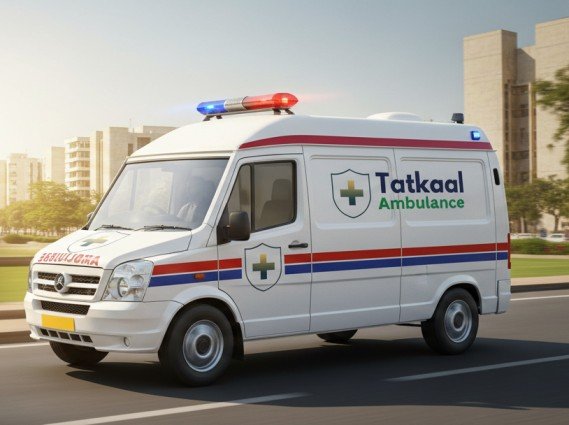

Medical emergencies can happen without warning. A sudden heart problem, serious accident, breathing difficulty, stroke, severe injury, or other critical condition can become dangerous within minutes. In such situations, getting medical help quickly can make a major difference.
An ambulance is not simply a vehicle that takes a patient to the hospital. A professional ambulance service can provide medical support while the patient is being transported. The speed of the response, the condition of the ambulance, the availability of medical equipment, and the experience of the medical team can all play an important role in emergency care.
This is why choosing a reliable ambulance service with a fast response can be extremely important.
What Is Ambulance Response Time?
Ambulance response time refers to the time between receiving an emergency call and the ambulance reaching the patient’s location.
During a medical emergency, every minute can matter. A patient may need oxygen, monitoring, first aid, CPR, or other immediate support before reaching the hospital. A quick ambulance response helps reduce the time before professional medical assistance begins.
Response time can depend on several factors, including:
- Distance between the ambulance and the patient
- Traffic conditions
- Location and accessibility
- Availability of ambulances
- Weather and road conditions
- Nature of the emergency
- Information provided when making the emergency call
Providing the correct location and explaining the patient’s condition clearly can help the ambulance team understand the situation before arrival.
Why Does Fast Ambulance Response Matter?
1. It Reduces Delays in Emergency Care
One of the biggest advantages of a fast ambulance response is that it reduces the waiting period before professional medical assistance arrives.
In emergencies, family members or bystanders may not know what to do. An ambulance team can assess the situation and provide appropriate support according to the patient’s condition.
The sooner professional help reaches the patient, the sooner the patient can begin receiving emergency care.
2. Some Medical Conditions Can Become Serious Quickly
Certain emergencies can worsen rapidly. For example, a person experiencing severe breathing difficulty may require immediate medical attention. Similarly, serious injuries, unconsciousness, chest pain, or signs of stroke should never be taken lightly.
A delay in getting medical assistance can increase the risk of complications.
Fast ambulance services help reduce unnecessary waiting and allow patients to be transported toward appropriate medical care as quickly as possible.
3. Ambulances Can Provide Care During Transportation
A common misconception is that an ambulance only provides transportation.
Depending on the type of ambulance and the patient’s condition, medical equipment and trained personnel may be available to support the patient during the journey.
Depending on the service, an ambulance may have equipment such as:
- Oxygen support
- Patient monitoring equipment
- Stretcher and wheelchair facilities
- Emergency medical supplies
- Cardiac monitoring equipment
- Ventilator support in specialised ambulances
- Other equipment required for critical patient transport
This can be particularly important when a patient cannot safely travel in a regular car.
4. Faster Transport Can Help Critical Patients Reach the Hospital Sooner
Hospitals have equipment, doctors, nurses, diagnostic facilities, and emergency departments that are not available at home.
For a patient requiring hospital treatment, reaching the appropriate medical facility quickly is an important part of emergency care.
A professional ambulance can help transport the patient safely while taking the patient’s condition into consideration.
For critical cases, specialised ambulance services may also help provide medical support throughout the journey.
5. Ambulance Teams Are Prepared for Emergency Situations
During a serious emergency, family members may feel confused or frightened. Trying to move a patient without proper equipment or knowledge can sometimes create additional difficulties.
Professional ambulance teams are trained to handle patient transportation and emergency situations according to their level of medical training and the available service.
They can help with safe patient movement, positioning, basic emergency support, and transportation to the hospital.
6. Quick Response Is Important for Road Accidents
Road accidents can result in fractures, bleeding, head injuries, spinal injuries, or other serious conditions.
After an accident, moving an injured person incorrectly can potentially worsen an injury. Professional ambulance teams have equipment designed to assist with patient transportation.
A fast ambulance response can help ensure that an injured person receives professional attention and is moved toward medical care without unnecessary delay.
7. Fast Response Can Be Important During Breathing Emergencies
Breathing difficulties can have many causes, including respiratory conditions, allergic reactions, infections, cardiac problems, or other medical emergencies.
A person who is struggling to breathe may require urgent medical assessment.
Depending on the patient’s condition and ambulance type, oxygen or other medical support may be available during transportation.
This is one reason why families should not ignore severe or sudden breathing problems.
8. Cardiac Emergencies Require Urgent Attention
Chest pain, sudden collapse, severe shortness of breath, or unconsciousness can be signs of a serious cardiac emergency.
In such situations, delaying medical attention can be dangerous.
A suitable ambulance can provide transportation and, where equipped and staffed for it, cardiac monitoring and emergency support during the journey.
The goal is to reduce unnecessary delays between the emergency and professional medical treatment.
9. Fast Ambulance Response Helps During Stroke Emergencies
A stroke can affect speech, movement, balance, vision, and consciousness. Some strokes require treatment within a limited period to achieve the best possible outcome.
Common warning signs can include:
- Sudden weakness or numbness, especially on one side
- Difficulty speaking or understanding speech
- Sudden vision problems
- Sudden dizziness or loss of balance
- Severe and unusual headache
- Sudden confusion
If these symptoms appear suddenly, seeking emergency medical help is important.
Getting an ambulance quickly can help reduce delays in reaching a hospital for assessment and treatment.
10. It Can Reduce the Need for Unplanned Private Transportation
When a person suddenly becomes seriously ill, families may consider using a private car or taxi to reach the hospital.
However, a regular vehicle may not have a stretcher, oxygen, monitoring equipment, or trained medical personnel.
If the patient’s condition is unstable, professional ambulance transportation may be a safer option.
An ambulance is designed specifically for patient transportation and can provide an environment more suitable for medical emergencies.
What Can Affect Ambulance Response Time?
Fast response does not depend only on the ambulance company. Several practical factors can influence how quickly an ambulance reaches a location.
Location
Remote areas or difficult-to-find addresses can increase response time. Providing a clear address, landmark, or location pin can help the driver reach the patient more efficiently.
Traffic
Heavy traffic can slow down any emergency vehicle. Busy roads, road closures, construction, and peak travel hours can affect travel time.
Availability
If multiple emergencies happen at the same time, ambulance availability may become limited. A reliable ambulance provider with an adequate fleet can help manage demand more effectively.
Accurate Information
When booking an ambulance, provide accurate information about the patient’s condition.
For example, mention whether the patient is:
- Conscious or unconscious
- Breathing normally or having difficulty breathing
- Injured
- Experiencing chest pain
- Unable to walk
- In need of oxygen
- Being transferred from one hospital to another
This information can help the service determine the appropriate type of ambulance and equipment.
How to Prepare While Waiting for an Ambulance
While waiting for professional help, remain calm and follow appropriate emergency instructions from medical professionals or emergency services.
Some general steps include:
- Keep the patient in a safe position appropriate to their condition.
- Keep the area around the patient clear.
- Avoid giving food or drink to an unconscious or seriously ill person.
- Do not move a seriously injured person unnecessarily, especially after a major accident.
- Keep important medical information and medicines ready for the ambulance team.
- Make sure the entrance is accessible.
- Send someone outside if possible to guide the ambulance to the exact location.
- Follow instructions provided by emergency medical professionals.
The appropriate first-aid response can vary depending on the emergency, so professional medical guidance should be followed whenever available.
Choosing the Right Ambulance Service
Speed is important, but it should not be the only factor when choosing an ambulance service.
Before selecting an ambulance provider, consider:
24/7 Availability
Medical emergencies can occur at any time. A service offering round-the-clock availability can be useful when transportation is required outside normal hours.
Appropriate Ambulance Types
Different patients require different levels of care. Depending on the situation, services may include basic ambulances, ICU ambulances, cardiac care ambulances, neonatal ambulances, oxygen-supported transportation, or other specialised options.
Medical Equipment
Ask whether the ambulance has the equipment required for the patient’s condition.
Trained Staff
For patients with serious or critical conditions, trained medical personnel can be an important consideration.
Local Coverage
A provider with good coverage in your area may be able to respond more efficiently than a service located far away.
Hospital Transfer Support
Some patients need to move from one hospital to another for specialised treatment. In such cases, appropriate patient transport and medical support can be important.
Why Every Family Should Have an Emergency Plan
Most people do not expect a medical emergency to happen at home. However, having a basic plan can save valuable time when something unexpected occurs.
Keep important information easily accessible, including:
- Family members’ emergency contact numbers
- Preferred nearby hospitals
- Important medical information
- Current medicines
- Allergies
- Blood group information, if known
- Local ambulance service contact details
It is also helpful to know the exact location of your home or workplace so you can communicate it quickly when requesting an ambulance.
Fast Response and the Importance of Every Minute
During an emergency, people often focus on reaching the hospital as quickly as possible. But emergency care can begin before the patient reaches the hospital.
A professional ambulance can bridge the gap between the location of the emergency and the hospital. Depending on the ambulance type and patient’s condition, the team may provide medical support, monitoring, oxygen, or other appropriate care during transportation.
This makes ambulance response time an important part of emergency preparedness.
Why Choose Tatkaal Ambulance for Fast Ambulance Service?
When a medical emergency occurs, choosing a dependable ambulance service can make the situation easier to manage. Tatkaal Ambulance focuses on providing timely ambulance support for patients who need emergency transportation or medical assistance during their journey.
24/7 Ambulance Availability
Medical emergencies can happen at any time, including during nights, weekends, and holidays. Tatkaal Ambulance provides ambulance services with availability for emergency transportation whenever patients need assistance.
Fast Response for Medical Emergencies
In an emergency, unnecessary delays can create additional stress for patients and families. Tatkaal Ambulance focuses on reaching patients as quickly as possible while considering the location, traffic, and availability of the appropriate ambulance.
Different Ambulance Options
Every patient does not require the same level of medical transportation. Tatkaal Ambulance offers different ambulance options for various situations, including emergency transportation, critical patient transfers, ICU ambulance services, cardiac care ambulance services, neonatal ambulance services, and other specialised requirements.
Medical Support During Transportation
Depending on the ambulance selected and the patient’s condition, medical equipment and trained personnel may be available to provide support during transportation. This can be particularly useful for patients who require monitoring or additional medical assistance while travelling to a hospital.
Services Across Chandigarh, Mohali, Panchkula and Zirakpur
Tatkaal Ambulance serves patients and families across the Chandigarh Tricity region, including Chandigarh, Mohali, Panchkula, and Zirakpur. Local service coverage can help families arrange ambulance transportation without having to search for a provider during a stressful emergency.
Safe and Professional Patient Transportation
Patient transportation requires more than simply moving someone from one location to another. The patient’s condition, mobility, comfort, and safety need to be considered throughout the journey. Tatkaal Ambulance provides ambulance transportation designed to support patients according to their medical requirements.
Support for Hospital Transfers
Patients sometimes need to be transferred from one hospital to another for specialised treatment, additional facilities, or further medical evaluation. Tatkaal Ambulance can assist with hospital-to-hospital patient transportation and other medical transfer requirements.
A Reliable Option When Every Minute Matters
During an emergency, families need an ambulance service that they can contact without unnecessary confusion. With a focus on timely response, suitable ambulance options, and patient transportation, Tatkaal Ambulance aims to provide dependable emergency ambulance support when it is needed most.
Need an ambulance in Chandigarh, Mohali, Panchkula, or Zirakpur? Contact Tatkaal Ambulance for fast and reliable ambulance transportation based on your requirements.
Final Thoughts
A medical emergency can change within minutes. While nobody can predict when an emergency will happen, families and organisations can prepare for it.
A fast ambulance response can reduce delays, provide professional assistance, support safer patient transportation, and help patients reach appropriate medical facilities sooner.
When choosing an ambulance service, look beyond speed. Consider availability, ambulance type, medical equipment, trained personnel, local coverage, and the patient’s specific needs.
For emergency and patient transportation requirements, having a reliable ambulance service available can provide valuable support when every minute matters.
If you need ambulance transportation in Chandigarh, Mohali, Panchkula, Zirakpur, or nearby areas, Tatkaal Ambulance provides ambulance and specialised patient transport services designed for different medical requirements.