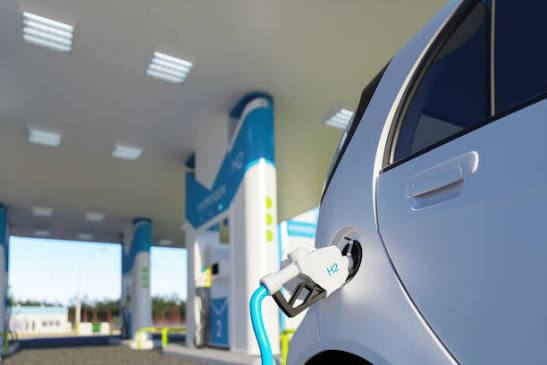

The transition toward sustainable transportation is gaining momentum as governments, automakers, and consumers increasingly prioritize cleaner mobility solutions. Among the emerging technologies, fuel cell electric vehicles (FCEVs) are attracting attention for their ability to deliver zero tailpipe emissions while offering driving ranges and refueling convenience comparable to conventional vehicles.
According to insights from Markntel Advisor, the fuel cell electric vehicle sector is expected to witness considerable expansion during 2026–2032. This progress is supported by technological improvements, favorable government policies, and increasing environmental consciousness.
Unlike conventional battery-powered electric vehicles, FCEVs produce electricity through a chemical reaction involving hydrogen and oxygen. The process generates water vapor as its only tailpipe emission, making hydrogen-powered transportation an attractive option for applications requiring extended driving ranges and shorter refueling periods.
How Do Fuel Cell Electric Vehicles Work?
Fuel cell electric vehicles use a hydrogen-powered fuel cell stack to generate electricity. Hydrogen stored in onboard tanks combines with oxygen from the surrounding air, producing electrical energy that operates an electric motor.
Although FCEVs share an electric drivetrain concept with battery electric vehicles, their primary energy source is hydrogen rather than electricity stored exclusively in rechargeable batteries.
Some of the major advantages of this technology include:
- Quick refueling: Hydrogen refueling takes considerably less time than conventional battery charging.
- Extended driving range: Many FCEV configurations can travel more than 500 km on a full tank.
- Zero tailpipe emissions: Water vapor is the only direct byproduct of the fuel cell reaction.
- Alternative energy source: Hydrogen can reduce dependence on conventional fossil fuels when produced through cleaner methods.
These characteristics make fuel cell technology particularly relevant for commercial transportation, logistics operations, and public transit applications.
What Factors Are Accelerating FCEV Adoption?
1. Increasing Commitment to Carbon Reduction
Climate change concerns and increasingly stringent emission regulations are encouraging governments and automotive manufacturers to explore alternative transportation technologies. Hydrogen-powered vehicles support these decarbonization objectives by eliminating direct tailpipe emissions.
As countries pursue their net-zero commitments, fuel cell technology is gaining attention as a potential solution for transportation applications where conventional alternatives may face operational limitations.
2. Expansion of Hydrogen Refueling Infrastructure
Accessible refueling infrastructure is essential for building consumer confidence and encouraging commercial adoption. Investments in hydrogen production, storage, distribution, and refueling facilities are gradually strengthening the supporting ecosystem.
Japan, South Korea, Germany, and the United States are among the countries investing in hydrogen infrastructure and related development initiatives. Continued expansion of these networks will be important for supporting wider FCEV deployment.
3. Technological Improvements in Fuel Cell Systems
Ongoing research and development are helping manufacturers improve fuel cell efficiency, operational durability, and overall system performance. Reducing production expenses is another important priority for making hydrogen-powered vehicles commercially competitive.
Automotive companies are working to optimize fuel cell stack designs and minimize dependence on expensive materials, including platinum. These improvements could strengthen the economic feasibility of hydrogen transportation over time.
4. Growing Demand for Heavy-Duty Transportation
Commercial transportation represents an important opportunity for fuel cell technology. Heavy-duty trucks, buses, and industrial vehicles frequently require extended operating ranges and minimal downtime.
FCEVs can address some of these requirements through comparatively quick refueling and long-distance driving capabilities. Consequently, logistics providers and public transportation operators are increasingly exploring hydrogen-powered alternatives for suitable applications.
What Challenges Could Restrict Industry Expansion?
Despite the growing interest in hydrogen mobility, several obstacles continue to affect the commercial deployment of fuel cell electric vehicles.
- High upfront expenses: Fuel cell vehicle production and supporting infrastructure involve substantial initial investment.
- Insufficient refueling networks: Limited hydrogen station availability remains a major barrier in several regions.
- Storage and transportation complexities: Hydrogen requires specialized handling, storage, and distribution systems.
- Competition from battery electric vehicles: Continuous improvements in battery technology are creating additional competitive pressure.
Overcoming these challenges will require coordinated investments from automotive manufacturers, energy companies, infrastructure developers, and government authorities.
Which Regions Are Supporting Hydrogen Vehicle Development?
Regional investment strategies and government initiatives are playing an important role in shaping the global adoption of fuel cell electric vehicles.
Asia-Pacific
Asia-Pacific is currently at the forefront of fuel cell vehicle deployment, supported by government initiatives and early investments in hydrogen technologies. Japan and South Korea are particularly active in developing comprehensive hydrogen strategies to encourage adoption and strengthen supporting infrastructure.
Europe
Europe is emerging as an important contributor to hydrogen mobility development. Strict emission regulations and growing investments in green hydrogen production are encouraging regional stakeholders to explore fuel cell applications across transportation and other industrial activities.
North America
North America is witnessing increasing cooperation between automotive manufacturers, energy providers, and infrastructure companies. These partnerships are focused on strengthening hydrogen distribution networks and supporting the wider commercialization of fuel cell technologies.
What Opportunities Could Shape the Future of Hydrogen Mobility?
The long-term development of fuel cell electric vehicles will depend on integrating hydrogen into broader renewable energy and transportation ecosystems. Producing hydrogen through electrolysis powered by renewable electricity could help establish a cleaner energy supply chain.
Several emerging opportunities could contribute to the future development of hydrogen-powered transportation:
- Green hydrogen production: Renewable energy-powered electrolysis can support cleaner hydrogen generation.
- Smart grid integration: Connecting hydrogen production with intelligent energy management systems could improve energy utilization.
- Aviation and maritime applications: Hydrogen technologies offer potential opportunities for exploring cleaner solutions in additional transportation segments.
- Hydrogen-powered logistics hubs: Dedicated facilities could support refueling requirements for commercial fleets and freight transportation.
As investment in clean energy technologies continues, hydrogen could become an important component of future transportation and energy systems.
Conclusion
Fuel cell electric vehicles are emerging as a promising alternative for transportation applications that prioritize extended driving ranges, faster refueling, and reduced tailpipe emissions. Increasing environmental commitments, infrastructure investments, and technological advancements are creating favorable conditions for their development.
However, high production expenses, limited refueling availability, and competition from battery electric vehicles remain important challenges. Addressing these limitations will require continued innovation and collaboration across the automotive and energy industries.
With growing investments in hydrogen ecosystems and renewable energy integration, FCEVs could become an increasingly important part of sustainable transportation, particularly across heavy-duty and long-distance mobility applications.