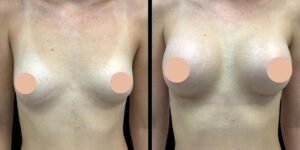

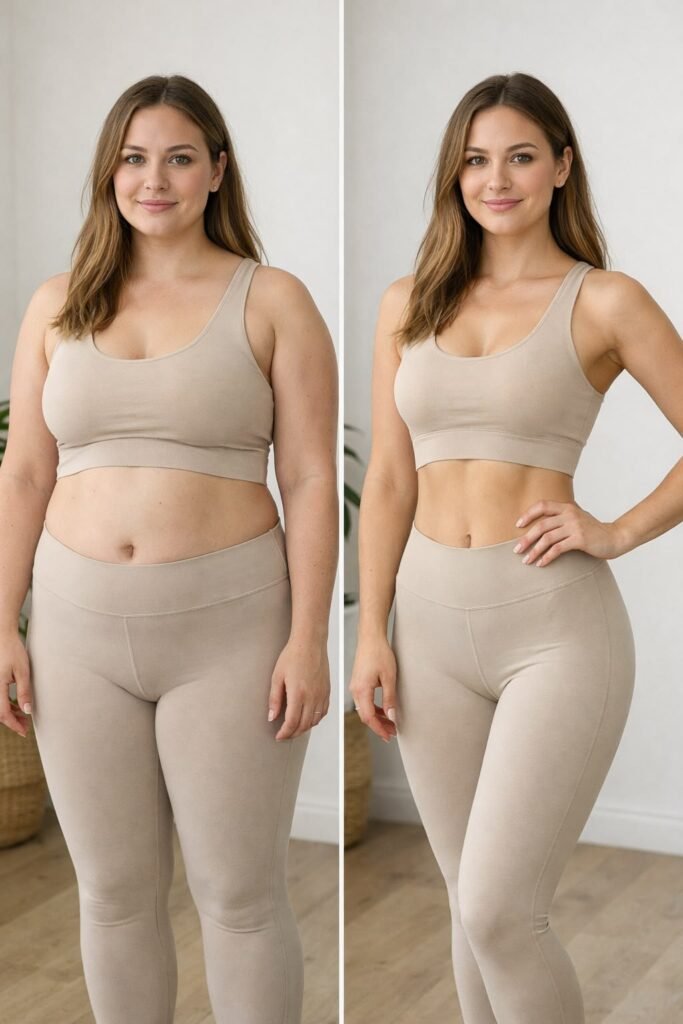

Pregnancy can transform the body in ways that remain long after childbirth and breastfeeding have ended. Loose abdominal skin, changes in breast volume, localized fat, and altered body proportions can sometimes persist despite healthy eating and regular physical activity. Mommy Makeover Dubai refers to a personalized combination of cosmetic procedures that may address selected postpartum changes in the breasts, abdomen, waist, and other areas. The right approach depends on individual anatomy, health, expectations, and future pregnancy plans.
Why Does the Body Change After Pregnancy?
Pregnancy involves major hormonal, physical, and metabolic changes. As the baby grows, the abdominal skin and underlying tissues stretch to accommodate the expanding uterus. The breasts also increase and decrease in volume as the body prepares for and supports breastfeeding.
After delivery, some tissues gradually recover while others may not return completely to their previous shape. Skin elasticity, genetics, age, number of pregnancies, weight changes, and the duration of breastfeeding can influence how much recovery occurs naturally.
These changes are normal. They do not necessarily indicate poor fitness or inadequate self-care.
For some women, however, persistent tissue changes can create concerns about clothing fit, body proportions, or personal appearance. Cosmetic surgery may be considered when these concerns remain after appropriate lifestyle measures.
Which Postpartum Changes Are Common?
Postpartum body changes vary significantly from one woman to another. Some may notice only subtle differences, while others experience more pronounced changes.
Common concerns include:
- Loose abdominal skin
- Stretch marks
- Abdominal muscle separation
- Localized fat deposits
- Reduced breast volume
- Breast sagging
- Changes in breast symmetry
- Changes in waist definition
- Skin laxity after significant weight loss
Not every concern requires surgery. For example, stretch marks may be treated with non-surgical approaches, while localized fat may sometimes be managed through lifestyle changes or other treatments.
A physical examination helps determine whether the primary issue involves skin, fat, muscle, breast tissue, or a combination.
Mommy Makeover Dubai: Understanding the Main Treatment Options
A mommy makeover does not follow a fixed surgical formula. Instead, procedures are selected according to the patient’s specific concerns.
Abdominoplasty
A tummy tuck, or abdominoplasty, may address excess abdominal skin and certain forms of abdominal-wall laxity. During the procedure, the surgeon removes selected excess skin and may repair separated abdominal tissues when clinically indicated.
It is important to understand that abdominoplasty is not simply a method of weight loss. It is primarily a body-contouring procedure.
Liposuction
Liposuction removes localized deposits of fat from selected areas. It may be considered when stubborn fat remains despite appropriate lifestyle habits.
It does not, however, remove substantial amounts of loose skin. In patients with significant skin laxity, another procedure may be more appropriate.
Breast Lift
Pregnancy and changes in breast volume can cause the breasts to sit lower on the chest. A breast lift reshapes and raises the breast tissue and nipple position.
The procedure primarily addresses position rather than simply adding volume.
Breast Augmentation
Breast augmentation can increase breast volume using implants or, in selected cases, other approaches. It may be considered when postpartum volume loss is a primary concern.
The appropriate technique depends on breast anatomy, tissue characteristics, goals, and medical suitability.
Breast Reduction
Some women experience persistent breast enlargement or discomfort. Breast reduction removes selected breast tissue and reshapes the remaining breast.
It can be considered when excess breast volume is a significant concern.
How Are Procedures Selected?
The most important principle is personalization. A woman with loose abdominal skin may need a different treatment from someone whose main concern is localized fat or breast volume loss.
During consultation, the surgeon may evaluate:
| Assessment | Why it matters |
|---|---|
| Skin elasticity | Helps determine skin-removal needs |
| Abdominal tissues | Identifies potential laxity or separation |
| Fat distribution | Helps assess whether liposuction may help |
| Breast position | Guides breast-lift planning |
| Breast volume | Helps determine whether augmentation or reduction is relevant |
| Weight stability | Supports predictable body-contouring planning |
| Future pregnancy plans | Helps assess timing |
This assessment prevents unnecessary procedures and allows treatment to focus on the patient’s actual concerns.
When Is the Right Time for Surgery?
Timing matters. The body continues to change after childbirth, particularly during breastfeeding and the period immediately following delivery.
Many patients are advised to wait until pregnancy-related changes have stabilized and breastfeeding has ended before undergoing elective cosmetic surgery. The appropriate timing depends on individual circumstances and should be determined with a qualified surgeon.
Women who plan to have more children may also choose to delay surgery. Another pregnancy can stretch the abdominal tissues and alter breast shape, potentially changing the cosmetic result.
Weight stability is another consideration. If substantial weight loss is still planned, completing that process before body-contouring surgery may provide a more stable foundation for treatment.
Mommy Makeover Dubai: Who May Be a Candidate?
Being dissatisfied with postpartum changes does not automatically make someone a surgical candidate.
Potential candidates are generally adults who:
- Are in good overall health
- Have reached a stable weight
- Have realistic expectations
- Understand the limitations of cosmetic surgery
- Are prepared for recovery
- Have persistent concerns that can potentially be addressed surgically
- Understand that future pregnancy may affect the outcome
A medical evaluation is essential before surgery. Certain medical conditions, medications, smoking, or previous surgical complications may affect eligibility or require additional preparation.
In our clinical experience, careful candidate selection is one of the most important elements of achieving a safe and appropriate treatment plan.
What Happens During the Surgical Journey?
The process usually begins with consultation rather than immediately scheduling an operation.
The surgeon discusses the patient’s concerns and examines the areas being considered for treatment. Medical history, previous pregnancies, breastfeeding, weight changes, medications, allergies, and previous operations may all be relevant.
Once a treatment plan is established, the patient receives information about preparation, anesthesia, expected scars, recovery, possible complications, and follow-up.
If multiple procedures are proposed, the surgeon must also consider whether combining them is appropriate. More procedures can mean longer surgery and a more demanding recovery.
The goal should always be to balance the desired cosmetic improvement with patient safety.
What Should Recovery Feel Like?
Recovery differs according to the procedures performed and the individual’s healing response.
Common early experiences may include:
- Swelling
- Bruising
- Tenderness
- Tightness
- Fatigue
- Temporary changes in sensation
- Reduced mobility
Patients recovering from abdominal surgery may initially find certain movements uncomfortable. Breast surgery can also temporarily affect arm movement and sleeping positions.
What patients typically report during recovery is that improvement occurs gradually. Early postoperative symptoms generally decrease as tissues heal.
Patients should follow their surgeon’s specific instructions regarding medication, wound care, walking, bathing, compression garments, driving, exercise, and lifting.
Mothers should make arrangements for childcare and household assistance because heavy lifting may be restricted during recovery.
What Are the Possible Risks?
All surgical procedures have risks. The risk profile becomes particularly important when several procedures are combined.
Potential complications include:
- Infection
- Bleeding
- Hematoma
- Seroma
- Wound-healing problems
- Noticeable or unfavorable scars
- Changes in sensation
- Asymmetry
- Contour irregularities
- Blood clots
- Anesthesia complications
- Revision surgery
Current evidence suggests that appropriate patient selection, careful surgical technique, proper anesthesia management, and postoperative monitoring are important components of reducing surgical risk.
Patients should provide complete and accurate medical information before surgery so the surgical team can identify relevant risk factors.
How Can Results Be Preserved?
Surgical results can be durable, but they remain subject to normal biological changes.
Significant weight fluctuations can affect body contour. Future pregnancy can stretch abdominal tissues and change breast volume or position. Aging also continues after surgery.
Maintaining a relatively stable weight can therefore help preserve body-contouring results.
A balanced diet, regular physical activity, and appropriate long-term healthcare can support overall wellbeing, although lifestyle measures cannot prevent every natural change.
Questions to Consider Before Surgery
A thoughtful consultation should address both what surgery can accomplish and what it cannot.
Ask your surgeon:
- Which postpartum changes can surgery realistically address?
- Which procedure is most appropriate for each concern?
- Can multiple procedures be safely combined?
- What scars should I expect?
- How much time should I plan for recovery?
- When can I return to work and exercise?
- When can I safely lift my children?
- How could another pregnancy affect my results?
- What complications should I watch for?
- What follow-up care will be required?
Understanding these points can make the decision-making process more informed and realistic.
Frequently Asked Questions
Can pregnancy-related loose skin disappear naturally?
Some skin contraction can occur after childbirth, particularly as postpartum swelling and weight changes resolve. However, significant excess skin may persist because stretched skin does not always return completely to its previous elasticity.
Does a mommy makeover treat weight gain?
No. A mommy makeover is not a weight-loss treatment. It is intended to address selected cosmetic concerns such as excess skin, localized fat, or changes in breast shape and volume.
Can abdominal muscle separation be repaired?
In selected patients, abdominal-wall repair may be performed as part of abdominoplasty. Whether this is appropriate requires an individual physical assessment.
How long should I wait after breastfeeding?
The appropriate timing varies. Breast tissue and volume may continue changing after breastfeeding ends, so your surgeon can advise when your anatomy has stabilized sufficiently for planning.
Will another pregnancy affect the result?
It may. Pregnancy can stretch abdominal tissues and change breast volume, potentially altering previous surgical results.
A Personalized Approach to Postpartum Body Contouring
Post-pregnancy changes are highly individual. One woman may be concerned primarily about abdominal skin, another about breast position, and another about localized fat or a combination of concerns.
Mommy Makeover Dubai can offer a personalized approach for suitable candidates by combining selected cosmetic procedures according to their anatomy and goals. The safest way to determine whether treatment is appropriate is through an individual consultation with a qualified plastic surgeon who can assess your health, body changes, expectations, and future pregnancy plans.