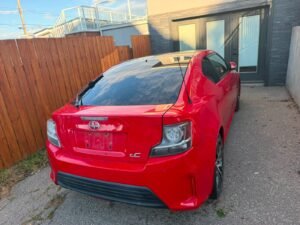
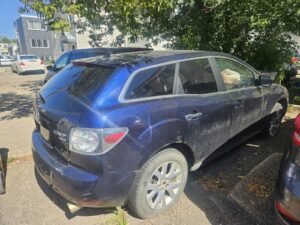
Getting an accurate cash offer for an unwanted vehicle starts with providing the right information. Professional car buyers consider several details before estimating how much a vehicle is worth. These include its make, model, manufacturing year, mileage, mechanical condition, and overall appearance.
When important details are missing or inaccurate, the initial quote may not reflect the vehicle’s actual condition. This can create confusion during the inspection process and potentially affect the final offer.
Whether you have an older car, a damaged vehicle, or one that no longer runs, preparing the necessary information can make the selling process easier. Understanding what buyers need also helps you receive a more realistic estimate without spending money on unnecessary repairs.
1. Vehicle Make, Model, and Manufacturing Year
The first information professional buyers usually request is the vehicle’s basic identification. Its make, model, and manufacturing year help them understand its market demand, available replacement parts, and potential resale value.
For example, a relatively newer vehicle may have more desirable components than an older model with discontinued parts. Similarly, certain popular models have stronger demand in the used automotive market.
When requesting a quote, provide:
-
Vehicle manufacturer and model.
-
Manufacturing year.
-
Trim level, if known.
-
Body style, such as sedan, SUV, or pickup truck.
-
Any special features or modifications.
Providing these details helps buyers identify the correct vehicle and avoid inaccurate estimates based on similar but different models.
2. Accurate Mileage Information
Mileage is another important factor in vehicle valuation. It gives buyers an idea of how extensively the vehicle has been used and helps them estimate potential wear on its mechanical components.
Generally, vehicles with lower mileage may have greater resale potential. However, mileage alone does not determine a car’s value.
A high-mileage vehicle with regular maintenance may still contain useful components, while a low-mileage car with serious mechanical damage may receive a lower offer.
Always provide the approximate odometer reading when requesting a quote. If the odometer is broken or its reading is uncertain, explain the situation rather than guessing.
3. Honest Details About Mechanical Condition
Mechanical condition can significantly influence the amount a buyer is willing to offer. A vehicle with a functioning engine and transmission may have different resale and parts-recovery potential from one with major mechanical failures.
Buyers generally want to know whether the following components are working:
-
Engine and transmission.
-
Braking and suspension systems.
-
Steering components.
-
Electrical systems.
-
Cooling system.
-
Battery and starting system.
Mention any unusual noises, warning lights, fluid leaks, or performance problems. If the vehicle does not start or cannot move, make that clear when requesting an estimate.
Sharing accurate information about mechanical problems helps buyers evaluate the vehicle more realistically.
4. Exterior Damage and Overall Appearance
The exterior condition helps buyers understand how much repair work or component replacement a vehicle may require.
Mention any visible damage, including:
-
Dents, scratches, and damaged bumpers.
-
Rust or corrosion on body panels.
-
Broken windows or headlights.
-
Accident-related structural damage.
-
Hail damage and damaged paintwork.
Even if your vehicle has significant exterior damage, it may still have usable components. Providing clear photographs can help buyers understand its condition before arranging an inspection.
5. Interior Condition and Missing Components
Interior condition is another detail worth sharing when requesting a vehicle quote.
Buyers may consider the condition of seats, dashboards, steering wheels, infotainment systems, carpets, and other interior fittings.
If your vehicle has missing seats, damaged upholstery, broken electronics, or water damage, mention these issues beforehand.
A complete interior with functional components may offer better resale or parts-recovery opportunities than one with extensive damage.
6. Vehicle Identification Number (VIN)
The Vehicle Identification Number (VIN) is a unique code that helps identify a specific vehicle.
It provides important information about the vehicle’s manufacturer, model specifications, and production details. Buyers may use it to verify vehicle information and ensure they are assessing the correct model.
Providing the VIN, when available, can help avoid confusion between different trims or vehicle versions.
You should also ensure that the VIN matches the ownership documents. If the identification plate is damaged or unreadable, inform the buyer instead of attempting to estimate the number.
7. Vehicle Location and Pickup Accessibility
The vehicle’s current location is another important detail when requesting a quote.
Professional buyers need to understand where the car is parked and whether it can be accessed easily for inspection and collection.
For example, a vehicle parked in an open driveway may be easier to collect than one located in an underground parking garage with limited clearance.
If the vehicle is not running, mention whether its wheels are functional and whether it can roll or be moved.
Sharing these details helps buyers determine suitable transportation arrangements. If you are exploring cash for cars calgary options, providing your location alongside the vehicle information can also help clarify pickup arrangements and any applicable transportation costs.
8. Maintenance Records and Previous Repairs
Maintenance records can provide useful information about how a vehicle has been cared for over the years.
Although professional buyers do not always require complete service histories, available documentation can help explain its mechanical condition.
Consider preparing:
-
Previous engine repair invoices.
-
Transmission maintenance records.
-
Oil change history.
-
Recent battery or tire replacement receipts.
-
Records of major accident repairs.
-
Documentation of replaced mechanical components.
These records may help buyers identify which components have recently been repaired or replaced.
You do not need to have every invoice available. Even a few relevant maintenance records can make the assessment more informative.
9. Ownership Documents and Vehicle History
Ownership information is essential when preparing to sell a vehicle. Buyers may request documents to verify that you have the legal authority to complete the transaction.
Depending on the vehicle and local requirements, you may need:
-
Proof of ownership or vehicle registration.
-
Valid identification.
-
Relevant transfer documents.
-
Information about any outstanding financing or liens.
You should also disclose whether the vehicle has previously been written off, involved in a major accident, or experienced flood damage.
Being transparent about ownership and vehicle history helps prevent unnecessary complications during the selling process.
10. How to Receive a More Accurate Quote for a Damaged or Unwanted Vehicle
Once you have gathered the necessary information, contact professional buyers and provide a complete description of your vehicle.
Avoid hiding mechanical problems or exaggerating its condition to receive a higher initial estimate. Inaccurate information can result in changes to the offer when the buyer inspects the vehicle.
If your car is no longer roadworthy or requires expensive repairs, exploring cash for junk cars services can provide another way to sell it without restoring every damaged component.
Maple Cash for Cars offers vehicle purchasing options for Calgary owners with running, damaged, scrap, and non-running vehicles. You can share your vehicle details, explain its current condition, and request an offer based on the information provided.
Final Thoughts
Receiving an accurate vehicle quote becomes easier when you provide complete and honest information. Details such as make, model, year, mileage, mechanical condition, exterior damage, VIN, and ownership documents help professional buyers understand what they are evaluating.
Before requesting an offer, take some time to gather these details and photograph any visible damage. Compare available offers and clarify pickup arrangements, payment terms, and possible deductions before agreeing to sell.
A little preparation can make the valuation process smoother, reduce misunderstandings, and help you make a more confident decision when selling an unwanted vehicle.