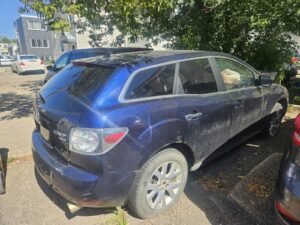
Rust is one of the most common problems affecting older vehicles, especially those regularly exposed to rain, moisture, road salt, and changing weather conditions. It may begin as a small patch on a door, fender, or wheel arch, but if left untreated, corrosion can gradually spread to nearby areas.
When rust moves from one body panel to another, the damage can become more expensive and difficult to repair. What initially looks like a minor cosmetic issue may eventually affect multiple panels, reduce the vehicle’s appearance, and even create structural concerns.
For owners planning to sell an unwanted vehicle, understanding how rust spreads and affects its condition can help them make a more informed decision.
1. Rust Can Begin With Small Paint Damage
Most body panels have protective paint and coating layers that help prevent moisture from reaching the underlying metal. When these protective layers become scratched, chipped, or damaged, exposed metal becomes more vulnerable to corrosion.
Small paint chips can occur because of road debris, minor impacts, scratches, or everyday wear. Moisture and oxygen can then react with the exposed metal, gradually creating rust.
Early corrosion may appear as small orange or brown spots. At this stage, the affected area may be relatively easy to treat if the surrounding metal remains intact.
However, ignoring these early signs can allow corrosion to develop underneath the paint and spread beyond the original damaged spot.
2. Moisture Can Help Corrosion Spread Between Panels
Vehicle body panels are not always completely isolated from one another. Doors, fenders, quarter panels, and other exterior sections have joints, seams, and connecting areas where moisture can collect.
When water remains trapped in these locations, it can encourage corrosion. Dirt, road salt, and other contaminants may make the problem worse by holding moisture against the metal.
For example, rust around a wheel arch may gradually affect the nearby fender or quarter panel if protective coatings are damaged and corrosion develops along adjoining areas.
This is why regular inspection matters, particularly around panel edges, seams, drainage openings, and areas that are difficult to clean.
3. Rust Can Spread Beneath the Paint Surface
Visible rust does not always show the full extent of corrosion. In some cases, the damage develops underneath the paint before becoming noticeable from the outside.
As corrosion progresses, the metal may expand and cause the paint or protective coating to bubble, crack, or peel. This exposes additional areas to moisture and creates opportunities for further deterioration.
A small rust spot can therefore indicate a larger problem beneath the surrounding paint.
If corrosion has spread underneath multiple sections of the finish, simply covering the visible area with paint may not solve the problem. The damaged material may need to be removed and properly repaired.
4. Rust Between Body Panels Can Damage Seams and Edges
Panel seams are particularly vulnerable because moisture and dirt can collect in narrow spaces. These areas may include door edges, trunk openings, wheel arches, and sections where different body panels meet.
Over time, corrosion can weaken the metal around these connections. Paint may begin peeling, small holes may develop, and the edges may become increasingly damaged.
Repairing this type of corrosion can involve removing affected material, treating the surrounding metal, restoring protective coatings, and sometimes replacing part of a panel.
The more extensive the damage becomes, the more labour and materials may be required.
5. Structural Rust Can Create More Serious Problems
Rust spreading across exterior panels is not always just an appearance issue. If corrosion reaches structural areas, it can weaken parts of the vehicle that help support its body and maintain stability.
Important areas to inspect include:
-
Rocker panels beneath the doors
-
Floor pans and supporting sections
-
Frame rails and crossmembers
-
Suspension mounting points
-
Inner wheel arches
-
Structural door pillars
Severe corrosion can reduce the strength of these components and may affect vehicle safety. Even a relatively small rust spot near a structural mounting point deserves attention.
svenskakorkort.com+1
6. Repair Costs Increase When Rust Spreads
Treating a small area of surface rust is generally less complicated than repairing several connected panels. Early repairs may involve removing corrosion, preparing the metal, and applying suitable protective coatings.
When rust spreads underneath paint or damages the metal itself, the repair may require more extensive work, such as:
-
Removing paint and affected material
-
Cutting out severely corroded sections
-
Welding replacement metal where necessary
-
Replacing heavily damaged body panels
-
Applying protective coatings and refinishing the repaired areas
The final cost depends on the location, depth, and extent of corrosion. Simply covering rust with paint or body filler may hide the visible damage without addressing the underlying problem.
tmr.qld.gov.au+1
For an older vehicle, repairing several rusted panels may cost more than the improvement in its resale value. This is why getting a repair estimate before investing in bodywork is important.
7. Multiple Rusted Panels Can Reduce Buyer Interest
Buyers often look at the overall condition of a vehicle rather than evaluating each damaged panel separately. When rust appears in several connected areas, they may assume that additional corrosion exists underneath the paint or inside hidden sections.
This can make the vehicle less attractive to private buyers, especially those looking for a car that does not require immediate bodywork.
If you are considering selling an older or rust-damaged vehicle, researching cash for cars edmonton services can help you understand the options available for vehicles with extensive exterior deterioration.
Be prepared to explain where the rust is located, how long it has been present, and whether any previous repairs have been completed.
8. How to Identify Rust Spreading Between Body Panels
Checking visible areas regularly can help you notice corrosion before it becomes extensive. However, rust may also develop behind panels, inside door cavities, and around seams where moisture and dirt collect.
Look for these warning signs:
-
Brown or orange stains around panel edges
-
Bubbles forming underneath the paint
-
Peeling paint near doors, fenders, or wheel arches
-
Rough or uneven metal surfaces
-
Small holes appearing in previously rusted areas
-
Rust returning after an earlier repair
Pay particular attention to the lower edges of doors, wheel arches, trunk openings, and areas where two panels meet.
If you notice corrosion near structural components, have the vehicle inspected by a qualified professional rather than relying only on its exterior appearance.
9. Should You Repair Rust Before Selling Your Vehicle?
Repairing rust before selling can improve a vehicle’s appearance, but it is not always financially worthwhile. The right decision depends on the vehicle’s age, overall condition, market value, and estimated repair expenses.
Consider these factors before arranging repairs:
-
Extent of corrosion: A small surface spot may be inexpensive to address, while widespread rust can require extensive bodywork.
-
Vehicle value: Compare the expected selling price with similar vehicles in better condition.
-
Repair expenses: Get estimates for labour, replacement panels, welding, and repainting.
-
Mechanical condition: Consider whether the engine, transmission, brakes, and other major components are still reliable.
If rust has spread across several panels and the vehicle also needs mechanical repairs, selling it as-is may be more practical than investing in extensive restoration.
10. Selling a Vehicle With Rust Damage
A vehicle does not have to be in perfect condition to attract a buyer. Even when rust has spread across multiple body panels, it may still contain reusable components or recyclable materials.
Before requesting an offer, provide the vehicle’s make, model, year, mileage, and an honest description of its condition. Mention whether the rust is limited to exterior panels or has affected structural areas. Photographs of the damaged sections can also help buyers understand the extent of corrosion.
For owners who do not want to spend more money on extensive repairs, exploring cash for junk cars services may provide a practical alternative. Professional buyers may evaluate unwanted vehicles based on their overall condition, reusable parts, and recyclable materials.
Compare available offers and confirm the collection and payment arrangements before making a final decision.
Final Thoughts
When rust spreads from one body panel to another, it can turn a minor cosmetic issue into a more expensive repair problem. Corrosion may develop underneath paint, affect panel seams, damage surrounding metal, and eventually reach important structural sections.
The sooner rust is identified, the easier it may be to manage. However, when several panels are already affected, repairing the vehicle may not always make financial sense.
Understanding the extent of corrosion, comparing repair costs, and evaluating the vehicle’s remaining value can help you decide whether to restore it or sell it in its current condition.