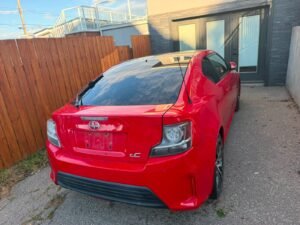
Not every damaged vehicle has been involved in a serious accident. Sometimes, a car develops several small dents over the years because of parking-lot incidents, shopping carts, minor bumps, falling branches, or everyday use. Although these dents may seem less serious than major collision damage, they can still affect the vehicle’s appearance and resale value.
The good news is that having multiple small dents does not automatically make a car difficult to sell. Buyers consider several factors when evaluating a damaged vehicle, including its mechanical condition, overall appearance, age, and potential repair costs.
If your car has several dents but has never experienced a major accident, understanding how buyers assess this type of damage can help you choose the right selling option.
1. Multiple Small Dents Do Not Mean Your Car Is Unsellable
Small dents are common on older vehicles, especially those that have been used regularly in busy parking areas or exposed to changing weather conditions. A dented door, damaged bumper, or slightly uneven body panel may affect appearance without interfering with how the vehicle operates.
Many buyers are willing to consider vehicles with cosmetic damage because these issues do not necessarily affect the engine, transmission, brakes, or other essential systems.
For example, a car with dents on its doors and fenders may still be mechanically reliable. If the engine runs properly and the vehicle has a reasonable maintenance history, it may retain some resale value.
The important distinction is whether the damage is limited to the exterior or indicates a more serious underlying problem.
2. Cosmetic Damage Is Different From Structural Damage
One of the first things buyers consider is the type of damage a vehicle has experienced. Cosmetic dents generally affect exterior panels without damaging the vehicle’s underlying structure.
Structural damage is more serious because it can involve the frame, supporting components, or areas responsible for maintaining the vehicle’s stability.
A few small dents across the doors or hood are usually less concerning than damage involving the frame or suspension mounting points.
However, even seemingly minor dents should be inspected if they appear near important structural areas. A professional assessment can help determine whether the damage is purely cosmetic or requires more extensive repairs.
3. The Location of Dents Can Influence the Vehicle’s Value
Not all dents affect a vehicle in the same way. Their location, size, depth, and number can influence how buyers evaluate its appearance and repair requirements.
For example:
-
Door dents: Multiple dents on the doors can make a vehicle look poorly maintained, even if the doors still open and close correctly.
-
Hood dents: Damage to the hood may affect the vehicle’s appearance and could require panel repair or replacement.
-
Roof dents: These may result from falling objects or hail and can sometimes involve more extensive repair work.
-
Fender dents: Small dents around the fenders may be cosmetic, but damage near the wheel area deserves closer inspection.
-
Bumper dents: These may involve damaged mounting brackets or hidden components behind the bumper.
Buyers generally look beyond the number of dents and consider the actual repair work required to restore the vehicle.
4. Repair Costs Can Affect Selling Decisions
Although individual dents may appear inexpensive to repair, fixing several damaged panels can become costly. Paintless dent repair may work for certain shallow dents where the paint remains intact, but deeper damage or cracked paint may require traditional bodywork.
The total expense depends on the number of affected panels, dent size, paint condition, labour charges, and availability of replacement parts.
Before arranging repairs, compare the estimated cost with the vehicle’s expected selling price. Spending a significant amount on cosmetic improvements may not produce an equivalent increase in resale value.
In some cases, selling the vehicle in its current condition is more practical than paying for several separate repairs.
5. Multiple Small Dents May Still Affect Buyer Confidence
A vehicle’s exterior appearance can influence a buyer’s first impression. Even when the dents are minor, several visible imperfections may create questions about how carefully the car has been maintained.
Some buyers may wonder whether the vehicle has experienced repeated parking incidents, hail damage, or other problems that were never properly repaired.
This does not mean you need to repair every dent before selling. Instead, provide honest information about the vehicle’s history and explain what caused the visible damage, if known.
A clear description helps buyers distinguish ordinary cosmetic wear from potentially more serious issues.
6. Mechanical Condition Still Plays an Important Role
Exterior damage is only one part of a vehicle’s overall evaluation. A car with multiple small dents may still be attractive to buyers if its important mechanical components are in good condition.
Buyers may consider:
-
Engine performance and starting condition
-
Transmission operation
-
Brake and suspension condition
-
Steering performance
-
Mileage and maintenance history
-
Tire condition and overall roadworthiness
-
Electrical systems and dashboard warning lights
A mechanically sound vehicle with several cosmetic dents may have better resale potential than a visually attractive car with major engine or transmission problems.
This is why it is important to describe both the exterior damage and the vehicle’s mechanical condition when requesting an offer.
7. Hail Damage Can Create a Different Situation
Sometimes, multiple small dents are caused by hail rather than separate parking incidents. Hail damage commonly appears across several exterior panels, including the hood, roof, trunk, and doors.
Although these dents may not affect the vehicle’s ability to run, repairing widespread hail damage can be expensive. The final cost depends on the severity of the dents, paint condition, and number of affected panels.
Buyers may evaluate hail-damaged vehicles differently from cars with only one or two isolated dents because the repair requirements can be more extensive.
If your vehicle has hail damage, mention it clearly when discussing its condition. Providing photographs can also help buyers understand the extent of the damage before arranging an inspection.
8. Selling a Dented Vehicle Without Expensive Repairs
If your car has multiple small dents, you do not necessarily need to restore its exterior before selling. The most suitable option depends on the vehicle’s age, mechanical condition, market demand, and estimated repair expenses.
You can begin by comparing its current condition with similar vehicles available for sale. Consider whether the cost of repairing the dents would realistically improve your final selling price.
Researching cash for cars edmonton services can also help you understand how local vehicle buyers evaluate cars with cosmetic damage.
When requesting an estimate, provide the vehicle’s make, model, year, mileage, and photographs of the damaged areas. Accurate details make it easier for buyers to assess the vehicle and prepare a realistic offer.
9. What Information Should You Share With Potential Buyers?
Clear communication can make the selling process easier, particularly when a vehicle has several visible imperfections.
Before contacting a buyer, prepare the following information:
-
Vehicle make, model, year, and approximate mileage
-
Number and location of visible dents
-
Whether the original paint is damaged
-
Any known history of hail damage or minor collisions
-
Current engine and transmission condition
-
Available maintenance and repair records
You should also mention whether the vehicle starts, runs, and drives normally. If you are unsure about a particular issue, explain that rather than making assumptions.
Providing accurate information helps buyers understand what they are evaluating and reduces the possibility of disagreements about the vehicle’s condition.
10. When Is Selling the Car As-Is a Better Option?
Selling a vehicle as-is may be a practical choice when cosmetic repairs are too expensive or the car has other problems that make restoration financially unreasonable.
For example, an older vehicle with several dents, high mileage, and increasing maintenance expenses may not justify additional spending on bodywork.
In this situation, exploring cash for junk cars services can provide another option. Some professional buyers consider vehicles with cosmetic damage, mechanical problems, and other imperfections because they may still have reusable components or recyclable materials.
Before accepting an offer, confirm the payment arrangements, vehicle collection details, and any towing charges. Comparing offers can help you understand whether selling as-is is the right decision.
Final Thoughts
You can sell a car with multiple small dents, even if it has never been involved in one major accident. Cosmetic damage may reduce its appearance and influence the offer, but it does not automatically make the vehicle worthless.
The most important considerations are the location and severity of the dents, overall mechanical condition, repair expenses, and demand for the vehicle.
Instead of spending money on every cosmetic imperfection, evaluate the car’s complete condition and compare your selling options. An honest description and realistic expectations can help you find a suitable buyer without unnecessary repair costs.