

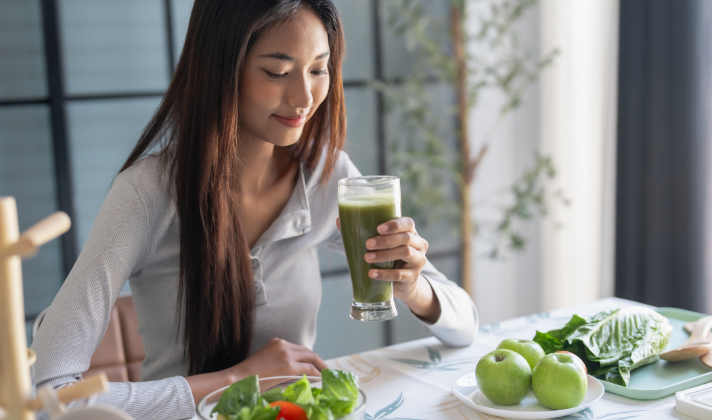

Detox drinks are everywhere.
Lemon water, green smoothies, ginger tea, cucumber water, apple cider vinegar drinks and herbal teas are frequently promoted as ways to “flush toxins,” reset digestion or cleanse the entire body.
Some of these drinks can certainly be nutritious.
But calling a beverage a body cleanse drink does not mean it literally extracts stored toxins from your organs.
The human body already has highly developed systems for processing and eliminating metabolic waste and many foreign substances. The liver, kidneys, gastrointestinal tract and lungs all participate in these processes continuously.
That does not make every so-called detox drink useless.
A good body detox drink may help by improving hydration, replacing a sugary beverage, providing useful nutrients or making it easier to maintain healthier daily habits.
The key is understanding what these drinks can realistically do.
This guide looks at 10 practical natural body cleanse drinks, how they fit into a healthy lifestyle, which popular detox claims are exaggerated and when certain ingredients deserve caution.
Do Detox Drinks Really Cleanse Your Body?
Not in the way many advertisements imply.
There is little reliable evidence showing that a juice, tea or special water can independently remove unspecified toxins from the body.
The National Center for Complementary and Integrative Health notes that research on commercial detoxification and cleansing programs is limited and that studies claiming benefits often have methodological problems.
Read the NCCIH evidence on detoxes and cleanses
Your body already processes unwanted substances through organs such as the liver and kidneys.
This means the most useful definition of a “detox drink” is not:
A drink that magically removes toxins.
A more realistic definition is:
A beverage that supports hydration or nutrition while complementing the body’s normal physiological processes.
That distinction creates much more realistic expectations.
For a broader discussion, this guide to drinks commonly used for body cleansing explains several popular options and how they fit into a wellness routine.
What Makes a Good Body Cleanse Drink?
A sensible cleanse-style beverage usually has several characteristics.
It should:
- Support hydration
- Contain little or no excessive added sugar
- Avoid extreme doses of herbs
- Fit alongside normal meals
- Provide useful nutrients when possible
- Be safe with your medications and medical conditions
- Avoid promises of overnight toxin removal
A detox drink should normally complement a balanced diet rather than replace one.
Cleveland Clinic similarly notes that water, fruits, vegetables and whole foods can support normal health without requiring an extreme cleanse.
1. Plain Water
The most useful “detox drink” is also the least exciting.
Water.
Adequate hydration supports:
- Normal kidney function
- Normal bowel movements
- Temperature regulation
- Blood circulation
- Nutrient transport
- Normal physiological waste removal
The kidneys rely on adequate fluid balance to filter blood and produce urine.
This does not mean drinking huge quantities of water will remove toxins faster.
Too much water can disturb electrolyte balance.
The goal is adequate hydration—not forcing gallons of water through the body.
If plain water feels boring, adding lemon, cucumber, mint or berries can improve flavor without turning it into a miracle cleanse.
2. Lemon Water
Lemon water is probably the world’s most recognizable natural body detox drink.
Its real benefits are fairly simple.
It provides:
- Water
- Flavor
- Some vitamin C
- Citrate from citrus
For someone who drinks more water because lemon improves the taste, that can be useful.
What lemon water does not do is scrub toxins from the liver or melt body fat overnight.
It is simply a hydrating beverage with some nutritional value.
A straightforward recipe is:
Simple Lemon Water
- 1 glass of water
- Juice from a small wedge or half lemon
- Optional mint leaves
- Ice if preferred
People who frequently sip acidic drinks should also consider dental enamel. Drinking highly acidic beverages continuously throughout the day can contribute to tooth erosion.
3. Cucumber and Mint Water
Cucumber water is another easy body cleanse drink.
Cucumber contains a large percentage of water, while mint can add flavor without large amounts of sugar.
Try:
- Water
- Fresh cucumber slices
- Several mint leaves
- Optional lemon slice
Allow the ingredients to infuse in the refrigerator.
The main benefit is hydration.
There is no need to claim that cucumber pulls toxins out of the bloodstream.
Cleveland Clinic specifically notes that flavored water may be perfectly reasonable if it encourages hydration, but consumers should not expect miraculous detox effects.
4. Green Tea
Green tea is more scientifically interesting than many trendy cleansing beverages because it contains well-studied polyphenols, including catechins.
Green tea can be part of a healthy dietary pattern and provides a lower-calorie alternative to many sweetened drinks.
A simple version requires:
- Green tea
- Hot water
- Optional lemon
Avoid assuming that stronger tea is always better.
Green tea contains caffeine, and concentrated green-tea extracts are fundamentally different from drinking ordinary brewed tea.
Someone sensitive to caffeine may prefer smaller servings or decaffeinated options.
5. Ginger Tea
Ginger has a long history of culinary and traditional use.
Its most established practical benefit is its relationship with nausea and gastrointestinal comfort in certain circumstances.
A simple ginger drink can include:
- Fresh ginger slices
- Hot water
- Optional lemon
- Small amount of honey if desired
Let the ginger steep before drinking.
Calling ginger tea a “detox” is less useful than explaining its actual role.
It is a hydrating herbal beverage that may be soothing for some people’s digestion.
That makes it a reasonable addition to a wellness routine without claiming that it chemically cleans the bloodstream.
6. Peppermint Tea
Peppermint tea is another caffeine-free beverage people often use after meals.
Its refreshing flavor makes it an easy replacement for sweet drinks.
It can be consumed:
- Hot
- Iced
- With lemon
- Without sweetener
Again, the value is not mysterious detox chemistry.
Choosing unsweetened tea instead of soda can reduce added sugar intake while increasing fluid intake.
For people with significant reflux, however, peppermint may aggravate symptoms in some cases.
7. A Whole-Food Green Smoothie
Smoothies deserve special attention because they are very different from juice-only cleanses.
When whole vegetables and fruit are blended rather than strained, much of the fiber remains in the drink.
A balanced smoothie could contain:
- Spinach
- Berries
- Plain yogurt or kefir
- Chia or ground flaxseed
- Water or milk
- Optional small portion of banana
This can provide:
- Fiber
- Protein
- Vitamins
- Minerals
- Plant compounds
Verywell Health notes that green smoothies can be nutritious, although large quantities of fruit juice or sweeteners can also make them surprisingly high in sugar.
The goal should be a balanced smoothie—not drinking enormous amounts of fruit sugar because the label says “detox.”
8. Unsweetened Kefir or Yogurt Smoothie
If digestive wellness is the primary goal, fermented foods may be more relevant than exotic cleanse ingredients.
Kefir and yogurt containing live cultures can contribute beneficial microorganisms to the diet.
Try blending:
- Plain kefir
- Berries
- Chia seeds
- Cinnamon
Avoid turning the smoothie into dessert by adding large quantities of syrup, honey or fruit juice.
Fermented foods do not “detox parasites” or remove every harmful substance from the digestive system.
Their role relates primarily to nutrition and the gut microbial environment.
9. Diluted Apple Cider Vinegar Drink
Apple cider vinegar frequently appears in detox-drink recipes.
Some research has investigated vinegar in relation to post-meal glucose responses and other metabolic outcomes.
But apple cider vinegar does not function as a universal toxin remover.
If someone chooses to drink it, it should be diluted rather than consumed straight.
A mild version might include:
- A large glass of water
- A small amount of apple cider vinegar
Avoid excessive amounts.
Straight vinegar can irritate tissues and damage tooth enamel because of its acidity.
People taking medications that influence potassium or blood glucose should also discuss regular vinegar use with an appropriate healthcare professional.
10. Fiber-Rich Chia Water
Chia seeds provide soluble and insoluble fiber, healthy fats and several minerals.
A simple chia drink can include:
- Water
- A modest amount of chia seeds
- Optional lemon
Allow the seeds to hydrate fully before drinking.
The value here is primarily fiber and hydration.
Fiber supports normal bowel function and can contribute to digestive health.
However, increasing fiber abruptly can cause bloating or discomfort.
People who are not accustomed to a high-fiber diet should increase intake gradually while maintaining appropriate fluid intake.
Body Cleanse Drinks at a Glance
| Drink | Main Practical Benefit | What It Does Not Do |
| Water | Hydration | Flush every toxin instantly |
| Lemon water | Hydration, flavor, vitamin C | Clean the liver overnight |
| Cucumber water | Hydration | Burn body fat |
| Green tea | Polyphenols, lower-calorie beverage | Replace medical treatment |
| Ginger tea | Hydration, digestive comfort | Eliminate every toxin |
| Peppermint tea | Unsweetened beverage option | Cure gastrointestinal disease |
| Green smoothie | Fiber and micronutrients | Replace a balanced diet indefinitely |
| Kefir smoothie | Nutrition and fermented-food cultures | Eradicate intestinal infections |
| Diluted ACV drink | Flavor and possible metabolic effects | Melt fat or detox the liver |
| Chia water | Fiber and hydration | Cleanse the colon instantly |
What About Detox Drinks for the Stomach?
Searches for detox drinks for stomach often come from people experiencing:
- Bloating
- Gas
- Constipation
- Heavy meals
- General digestive discomfort
The correct drink depends on the actual problem.
For constipation, adequate fluids and dietary fiber may help some people.
For mild nausea, ginger may be useful.
For dehydration, water or an appropriate electrolyte beverage may be more relevant.
But no beverage can reliably treat every stomach problem.
Persistent digestive symptoms should not automatically be labeled “toxins.”
Possible causes can include:
- Food intolerance
- Gastroesophageal reflux
- Constipation
- Irritable bowel syndrome
- Infection
- Medication effects
- Gallbladder disease
- Other gastrointestinal conditions
Treating every symptom with increasingly aggressive cleanse drinks can delay more useful evaluation.
What Does the Liver Actually Do?
The liver performs hundreds of functions.
Among them, it helps metabolize medications, alcohol, hormones and numerous other compounds.
It also produces bile and participates in nutrient metabolism.
This is why phrases such as “liver detox” are somewhat misleading.
The liver is already part of the detoxification system.
The better question is how to support overall liver health.
Key strategies generally include:
- Limiting excessive alcohol
- Maintaining a healthy body weight
- Exercising regularly
- Eating a nutritious diet
- Following medication dosing instructions
- Avoiding unnecessary supplement megadoses
For a detailed breakdown, see this evidence-based discussion of liver detoxes and cleanses.
Can Detox Drinks Support Liver Health?
A nutritious drink can contribute to an overall healthy dietary pattern.
That is different from saying the drink “detoxifies” the liver.
For example:
Green tea contains plant polyphenols.
A vegetable smoothie can provide micronutrients.
Water supports hydration.
Replacing alcohol or a high-sugar beverage with one of these options may improve overall dietary quality.
The benefit comes from the nutritional substitution and lifestyle pattern—not from an invisible flushing process.
This distinction is important for health content because exaggerated detox language can create unrealistic expectations.
What About Liver Support Supplements?
Some people combine dietary changes with supplements marketed for liver wellness.
Common ingredients include:
- TUDCA
- NAC
- Milk thistle
- Choline
- Various antioxidant nutrients
These ingredients have different mechanisms and different levels of evidence.
A formula such as TUDCA, NAC and milk thistle liver support can be discussed in the context of general wellness, but supplements should not be described as substitutes for diagnosis or treatment of liver disease.
Someone with abnormal liver tests, jaundice, persistent upper abdominal pain or known liver disease should seek professional medical evaluation rather than attempting to fix the problem with a drink or supplement stack.
Detox Drinks vs Juice Cleanses
A healthy drink added to a balanced diet is very different from consuming nothing but juice for several days.
Juice-only cleanses can be low in:
- Protein
- Fiber
- Essential fats
- Total calories
They may produce temporary weight loss simply because calorie intake drops dramatically.
Once normal eating resumes, that weight may return.
Cleveland Clinic warns that longer juice cleanses can contribute to fatigue, dehydration and other problems because juice alone does not provide all the nutrition the body requires.
A vegetable juice enjoyed alongside breakfast is one thing.
Replacing every meal with juice is another.
Can a Detox Drink Help With Weight Loss?
No drink can independently produce lasting weight loss.
Some beverages can help indirectly.
For example:
Replacing a 200-calorie soda with unsweetened tea reduces calorie intake.
Drinking water instead of a sugary coffee can do the same.
A protein-and-fibre-rich smoothie may help someone feel fuller than a sweet pastry.
These are behavioural and nutritional effects.
They should not be confused with a beverage “melting fat” or flushing fat cells from the body.
Healthline similarly notes that the body already manages natural detoxification and that healthy habits such as hydration, sleep, diet and limiting excess alcohol are more meaningful than special detox regimens.
Ingredients to Be Careful With
Not every natural ingredient is automatically safe.
Senna
Some commercial detox teas contain stimulant laxatives such as senna.
This can increase bowel movements, which may create the impression that the body is releasing toxins.
In reality, the effect is primarily laxative.
Overuse can contribute to:
- Cramping
- Diarrhea
- Dehydration
- Electrolyte problems
Verywell Health also highlights safety concerns around detox teas and products containing diuretic or undeclared ingredients.
Excessive Apple Cider Vinegar
High amounts may irritate the gastrointestinal tract and teeth and can interact with certain medications.
Concentrated Herbal Extracts
A cup of herbal tea is not necessarily equivalent to taking multiple concentrated capsules or extracts.
Concentration changes exposure.
Excessive Water
Even water can become harmful in extreme amounts.
More hydration is not always better.
What About “Detox Water”?
Detox water normally means water infused with fruit, herbs or vegetables.
Examples include:
- Lemon and mint water
- Cucumber water
- Strawberry and basil water
- Citrus water
- Ginger and lemon water
These are perfectly reasonable beverages.
Their main advantage is often that they make water more enjoyable.
If someone replaces sugary drinks with infused water, that can be a meaningful improvement.
But fruit floating in water does not transform water into a powerful toxin-removal therapy.
What Is a Good Cleansing Drink in the Morning?
There is no medically required morning cleanse beverage.
If you like starting the day with a drink, simple options include:
Option 1: Plain water
Option 2: Water with lemon
Option 3: Unsweetened green tea
Option 4: Ginger tea
Option 5: A balanced smoothie consumed as part of breakfast
The “best” choice is generally the one that fits your diet, medications, digestive tolerance and hydration needs.
For another evidence-focused discussion, see this guide to choosing a sensible detox-style drink.
A Simple 3-Drink Daily Routine
You do not need 10 different beverages every day.
A simple routine could look like this:
Morning
Water or lemon water.
Afternoon
Unsweetened green tea, ginger tea or plain water.
Evening
Water or caffeine-free herbal tea.
That is enough.
Dietary quality, sleep, exercise, alcohol intake and overall health matter far more than rotating complicated cleansing drinks every two hours.
Signs a Detox Program May Be Too Extreme
Reconsider a cleanse if it causes:
- Persistent dizziness
- Fainting
- Severe weakness
- Significant diarrhea
- Repeated vomiting
- Dehydration
- Confusion
- Heart palpitations
- Severe abdominal pain
NCCIH notes that fasting and cleansing programs can lead to problems including weakness, dehydration and nutrient or electrolyte disturbances.
Feeling terrible is not proof that “toxins are leaving.”
It may be evidence that the protocol itself is causing side effects.
Who Should Be Particularly Careful?
Professional advice is sensible before beginning a restrictive detox or concentrated herbal-drink routine if you:
- Are pregnant or breastfeeding
- Have kidney disease
- Have liver disease
- Have diabetes
- Have heart disease
- Take prescription medications
- Have a history of eating disorders
- Are underweight
- Have significant gastrointestinal disease
Children should not be placed on restrictive cleanse programs without appropriate medical guidance.
Frequently Asked Questions
What is the best body cleanse drink?
There is no single drink proven to cleanse the entire body. Water is the most important beverage for normal hydration, while unsweetened tea, whole-food smoothies and infused water can contribute to a healthy dietary pattern.
What drinks detox your body?
The body primarily relies on organs such as the liver and kidneys rather than special beverages. Drinks can support hydration and nutrition but should not be described as independently removing all toxins.
Is lemon water a detox drink?
Lemon water is a hydrating beverage that provides flavor and some vitamin C. It does not literally flush toxins out of the liver.
What is a good cleansing drink for the stomach?
The answer depends on the symptom. Water and fiber may help normal bowel function, while ginger may support digestive comfort for some people. Persistent stomach symptoms deserve proper evaluation.
Can detox drinks reduce bloating?
Some people may experience less bloating after improving hydration, reducing very salty processed foods or using certain beverages. However, chronic bloating can have numerous causes and should not automatically be attributed to toxin buildup.
Do detox drinks make you lose weight?
They do not directly produce lasting fat loss. Replacing high-calorie drinks with water or unsweetened beverages may reduce overall calorie intake, which can support weight management.
How often can I drink detox water?
Fruit- or herb-infused water can generally be consumed as part of normal hydration if the ingredients are appropriate for you. There is no need to consume excessive quantities.
Are detox teas safe?
That depends on the ingredients. Ordinary herbal teas may be appropriate for many people, while products containing laxatives, strong diuretics or concentrated herbs can create side effects or medication interactions.
Should I replace meals with detox drinks?
Generally, no. Regular meal replacement with juices or low-calorie detox drinks can result in inadequate protein, fiber, healthy fats and total energy.
How long does it take to cleanse your body?
The body continuously processes and eliminates metabolic waste. There is no scientifically established three-day, seven-day or 30-day drink cleanse required to turn this process on.
Final Thoughts
The most useful body cleanse drink is not the one making the biggest promise.
It is the drink that contributes something practical to a healthy routine.
Water supports hydration.
Green tea supplies plant compounds.
Ginger tea may provide digestive comfort.
Whole-food smoothies can provide fiber and nutrients.
Infused water can help someone replace sugary beverages.
These are genuine benefits.
What these drinks do not do is override human physiology and instantly flush every toxin from the body.
Rather than chasing increasingly aggressive body cleanse detox drinks, focus on the habits that consistently support normal liver, kidney and digestive function:
- Stay appropriately hydrated
- Eat a varied whole-food diet
- Get adequate fiber
- Limit excessive alcohol
- Maintain regular physical activity
- Sleep adequately
- Avoid unnecessary supplement megadoses
- Seek medical care when symptoms persist
A drink can support those habits.
It should not replace them.
Disclaimer: This article is for general educational purposes only and does not constitute medical advice. Detox drinks, diets and dietary supplements are not intended to diagnose, treat, cure or prevent disease. Consult an appropriate healthcare professional before beginning a restrictive cleanse or concentrated herbal regimen, particularly if you use prescription medication or have an existing health condition.