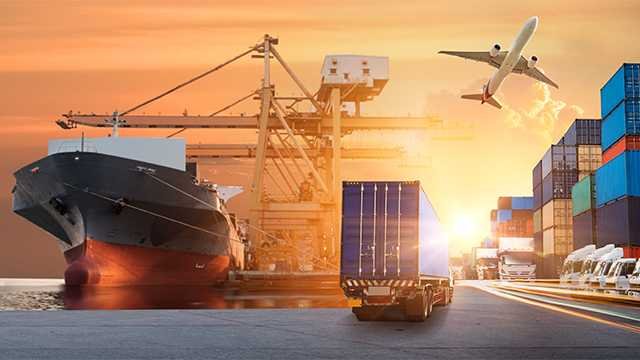

Containers play an important role in shipping, storage, transportation, and industrial operations. Businesses across different sectors require reliable container solutions to move goods, manage inventory, and support daily activities. Choosing a dependable Container Supplier, working with an experienced Container Trader, and understanding Door-to-Door Logistics can help businesses plan their container and transportation requirements more efficiently.
Dhruv Container can be contacted to enquire about its current container products and related services. Customers should confirm product availability, service coverage, and delivery arrangements before placing an order.
Why Choose a Reliable Container Supplier?
A Container Supplier helps businesses source containers for shipping, storage, commercial applications, and industrial use. The right supplier can help customers identify suitable container options based on dimensions, condition, intended application, and budget.
Containers are available in different types and configurations. Depending on availability, customers may consider standard shipping containers, used containers, storage containers, office containers, or specialised units.
Factors to Consider When Selecting a Container Supplier
- Product Availability
Check whether the supplier has the required container type, size, and quantity available. If a particular model is unavailable, ask about suitable alternatives.
- Quality and Condition
For used containers, inspect the frame, walls, roof, flooring, doors, locking mechanisms, and signs of corrosion or leakage. Make sure the container is appropriate for its intended purpose.
- Transparent Pricing
Request a detailed quotation covering the container price, condition, delivery charges, applicable taxes, and any additional costs.
- Delivery Arrangements
Confirm whether delivery is available at your location, the expected timeline, site accessibility requirements, and who will arrange unloading or placement.
- Clear Communication
A reliable supplier should provide accurate product details, explain purchase terms, and respond clearly to questions about availability and delivery.
Evaluating these factors can help businesses choose containers that meet their operational needs.
Understanding the Role of a Container Trader
A Container Trader buys, sells, or sources containers for customers with different requirements. Container trading can support businesses that need equipment for cargo transportation, storage, construction projects, or other commercial purposes.
A trader may deal in new or used containers, depending on its business model and available inventory. Customers should confirm the condition, specifications, ownership documentation, and terms of sale before finalising a transaction.
Benefits of Working With a Container Trader
Access to Different Options: A trader may help customers compare container types, sizes, and conditions according to their requirements.
Flexible Purchasing Decisions: Businesses can assess whether a new or used container is more appropriate for their budget and intended application.
Project-Specific Sourcing: Customers with particular dimensions or quantity requirements can discuss suitable available options with the trader.
Informed Price Comparisons: Written quotations make it easier to compare prices, delivery expenses, and other purchase conditions.
What to Check Before Buying a Container
Before purchasing, identify the intended use and the specifications required. Inspect the container where possible, particularly if it is used. Check the structural condition, doors, floor, roof, and weather protection.
Ask for a written quotation and clarify delivery arrangements, payment terms, and any applicable inspection or return conditions. These steps can help reduce uncertainty and make the purchasing process more straightforward.
What Is Door-to-Door Logistics?
Door-to-Door Logistics refers to a service arrangement in which goods are collected from an agreed origin and delivered to a specified destination. Depending on the provider and contract, the process may include pickup, transportation coordination, documentation support, and final delivery.
This approach can be useful for businesses that prefer to coordinate a shipment through one service provider rather than arranging every transport stage separately.
How Door-to-Door Logistics Works
- Pickup Arrangement
The process begins with collecting goods from a factory, warehouse, supplier, or another agreed location.
- Transportation Planning
The provider determines an appropriate transport route and coordinates the movement of goods according to the shipment requirements.
- Documentation and Coordination
Depending on the shipment, relevant transport documents and customs paperwork may be required. Customers should confirm who is responsible for preparing and submitting each document.
- Shipment Movement
Goods move through the agreed transport network. Shipment updates can help businesses monitor progress and plan for receipt.
- Final Delivery
The shipment is delivered to the designated destination according to the agreed service terms, subject to site access and handling requirements.
Not every door-to-door service includes customs clearance, insurance, loading, unloading, or special handling. These details should be confirmed before booking.
How Container Supply and Logistics Work Together
Container sourcing and transportation are closely connected. Purchasing the right container is only one part of the process; delivery, placement, and site preparation may also need to be arranged.
For example, a business purchasing a container for industrial storage should confirm the dimensions, site access, transport vehicle requirements, and unloading arrangements before delivery. A business shipping goods should also check the container’s suitability for the cargo and coordinate the relevant transportation arrangements.
Planning these requirements in advance can help businesses:
- Select containers suited to the intended application.
- Estimate purchase and delivery costs more accurately.
- Coordinate transportation schedules.
- Prepare the receiving site before arrival.
- Reduce delays caused by incomplete delivery arrangements.
Customers should confirm whether the container supplier provides delivery directly or works with a separate transportation company.
Choosing the Right Container and Logistics Partner
Selecting a suitable provider requires comparing more than price alone. Businesses should review the provider’s product range, service coverage, communication, delivery arrangements, and written terms.
Start by defining your requirements, including the container type, size, quantity, condition, and intended use. If transportation is needed, provide the pickup and delivery locations and preferred timeline.
Request a quotation that clearly identifies the products and services included. For logistics arrangements, confirm responsibility for documentation, handling, customs formalities where applicable, and any additional charges.
Careful planning helps businesses make informed decisions and set realistic expectations for both container purchases and shipments.
Why Consider Dhruv Container?
Businesses looking for a Container Supplier or Container Trader can contact Dhruv Container to enquire about its current container range, specifications, availability, and pricing.
Customers seeking Door-to-Door Logistics should separately confirm whether this service is offered, the locations covered, and the activities included in the service agreement. Clarifying these details helps ensure that the selected solution matches the project’s requirements.
When contacting the company, provide the required container type, quantity, intended use, delivery location, and expected timeline to help make the enquiry more specific.
Conclusion
Choosing a reliable Container Supplier, working with a suitable Container Trader, and understanding Door-to-Door Logistics can help businesses manage container requirements and transportation planning more effectively. Product quality, transparent pricing, appropriate documentation, and clear delivery arrangements are important considerations throughout the process.
Contact Dhruv Container to confirm its current container products and related service options. By comparing specifications, reviewing quotations, and confirming responsibilities before making a commitment, businesses can choose solutions that suit their operational needs.
1. What does a Container Supplier do?
A Container Supplier provides or sources containers for shipping, storage, commercial, and industrial applications. The available products depend on the supplier’s inventory and services.
2. What is the difference between a Container Supplier and a Container Trader?
A Container Supplier provides containers to customers, while a Container Trader generally buys, sells, or sources containers. A business may perform both roles.
3. How do I choose the right container?
Consider the intended use, dimensions, condition, required capacity, weather protection, delivery arrangements, and overall cost.
4. What does Door-to-Door Logistics include?
It generally involves collecting goods from an agreed origin and delivering them to a specified destination. Customs clearance, insurance, loading, and unloading may be separate services.
5. Can I buy a used shipping container?
Used containers may be suitable for various storage and transportation applications. Inspect the container’s structure, floor, doors, roof, and signs of corrosion or leakage before purchasing.
6. What information is required for a container quotation?
Provide the container type, size, quantity, new or used preference, intended use, and delivery location. Ask for a written quotation that identifies additional charges.
7. Does Dhruv Container provide Door-to-Door Logistics?
Contact Dhruv Container directly to confirm whether door-to-door logistics is currently available. Verify the service locations, included activities, costs, and terms before booking.