

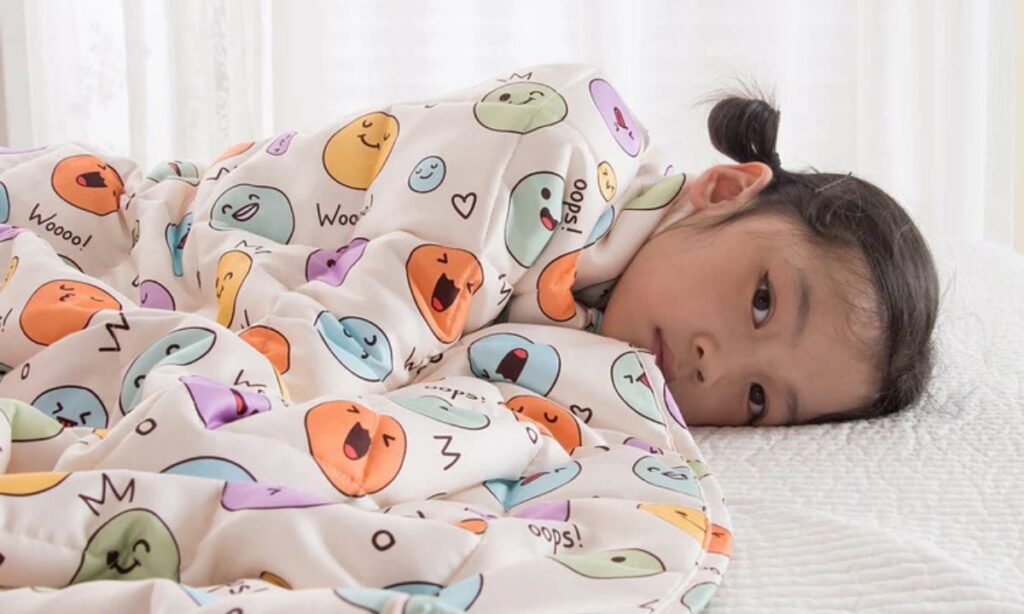

Choosing bedding for a toddler or young child involves a lot more than picking a fun print or a soft-looking blanket. Safety standards, age-appropriate materials, and comfort all need to work together, especially in Australia’s varied climate, where a child’s bedding might need to handle humid coastal nights one season and cool inland mornings the next.
For parents of children with sensory needs, options like an autism weighted blanket can also play an important role in comfort and calm, but they come with their own set of safety guidelines. And when shopping more broadly, exploring a wider range of kids bedding Australia options can help you compare materials, sizes, and safety features side by side before making a decision.
This guide breaks down what actually matters when choosing bedding for toddlers and young kids, from safety certifications to fabric choices to age-specific recommendations.
Why Bedding Safety Matters More for Young Children
Babies and toddlers are far more vulnerable to bedding-related risks than older kids or adults, which is why safety guidelines exist specifically for this age group.
Suffocation and Overheating Risks
Loose, heavy, or overly plush bedding can pose suffocation risks for infants and very young toddlers, particularly those under 12 months. Overheating is another concern, since young children can’t regulate their body temperature as efficiently as adults.
Why Age Guidelines Exist
Recommendations around when to introduce pillows, doonas, and weighted blankets aren’t arbitrary. They’re based on a child’s physical development, including their ability to move, reposition themselves, and communicate discomfort.
Understanding Bedding Safety Standards in Australia
Australia has specific guidelines and standards that parents should be aware of when shopping for children’s bedding.
Look for Compliance with Australian Standards
Products such as doonas, pillows, and mattresses for children should comply with relevant Australian Standards (AS/NZS), which cover things like fire safety, fill materials, and general product safety. Checking for this compliance on packaging or product descriptions is a simple but important step.
Guidelines from Health Authorities
Organisations like Red Nose Australia provide safe sleep guidelines for infants, including recommendations against loose bedding, pillows, and doonas for babies under 12 months. These guidelines are widely referenced by paediatricians and are a good starting point for new parents.
Choosing Age-Appropriate Bedding
What’s safe and comfortable changes significantly as a child grows.
Newborns to 12 Months
For this age group, the safest setup is typically a firm, well-fitted mattress with a fitted sheet and a safe infant sleeping bag rather than loose blankets, doonas, or pillows.
Toddlers (1–3 Years)
Once a child transitions to a toddler bed, lightweight blankets, a small pillow, and breathable sheets are generally considered safe additions. This is also the age where many parents start introducing more textured or novelty bedding, since toddlers are beginning to express preferences.
Preschool and Early School Age (3–6 Years)
At this stage, most standard bedding options become appropriate, including doonas, standard-sized pillows, and, for children with sensory sensitivities, lighter-weight sensory blankets designed specifically for younger users.
Weighted and Sensory Bedding for Kids
Weighted blankets have become increasingly popular for children who benefit from extra sensory input, particularly those with autism or sensory processing differences.
When Weighted Blankets Are Appropriate
Weighted blankets are generally recommended for children over the age of two, and only once a child is able to move or remove the blanket independently. Weight is typically calculated as around 10% of the child’s body weight.
Choosing a Safe, Well-Made Option
Look for even stitching, secure seams, and fillings like glass beads rather than loosely packed materials that can shift unevenly. A well-constructed autism weighted blanket should feel evenly weighted across the entire surface, not bunched in certain areas.
Comfort Features Worth Prioritising
Beyond safety, comfort plays a big role in whether a child actually sleeps well.
Breathable, Natural Fabrics
Materials like cotton and bamboo tend to perform well across Australia’s varying climates, offering breathability in humid regions and enough warmth for cooler nights when layered appropriately.
Machine-Washable Materials
Young children are messy sleepers. Bedding that’s easy to wash and dries quickly is a practical must, especially for daily-use items like fitted sheets and blanket covers.
Soft, Non-Irritating Textures
Look for tagless designs, flat seams, and hypoallergenic materials, particularly for children with sensitive skin or sensory sensitivities.
Final Thoughts
Choosing bedding for toddlers and young kids in Australia comes down to balancing safety, age-appropriateness, and comfort. Paying attention to certified standards, understanding what’s appropriate at each developmental stage, and choosing well-made, breathable materials all help create a sleep environment that’s both safe and genuinely comfortable, giving both kids and parents more peace of mind at bedtime.