


Choosing the right water heater can have a significant impact on a home’s comfort, energy use, and long-term maintenance needs. Two of the most common options are traditional storage-tank water heaters and tankless water heaters. While both systems provide hot water, they operate differently and offer different advantages.
Understanding how each type works can help homeowners make a more informed decision based on household size, hot water demand, available space, and budget.
How Does a Traditional Water Heater Work?
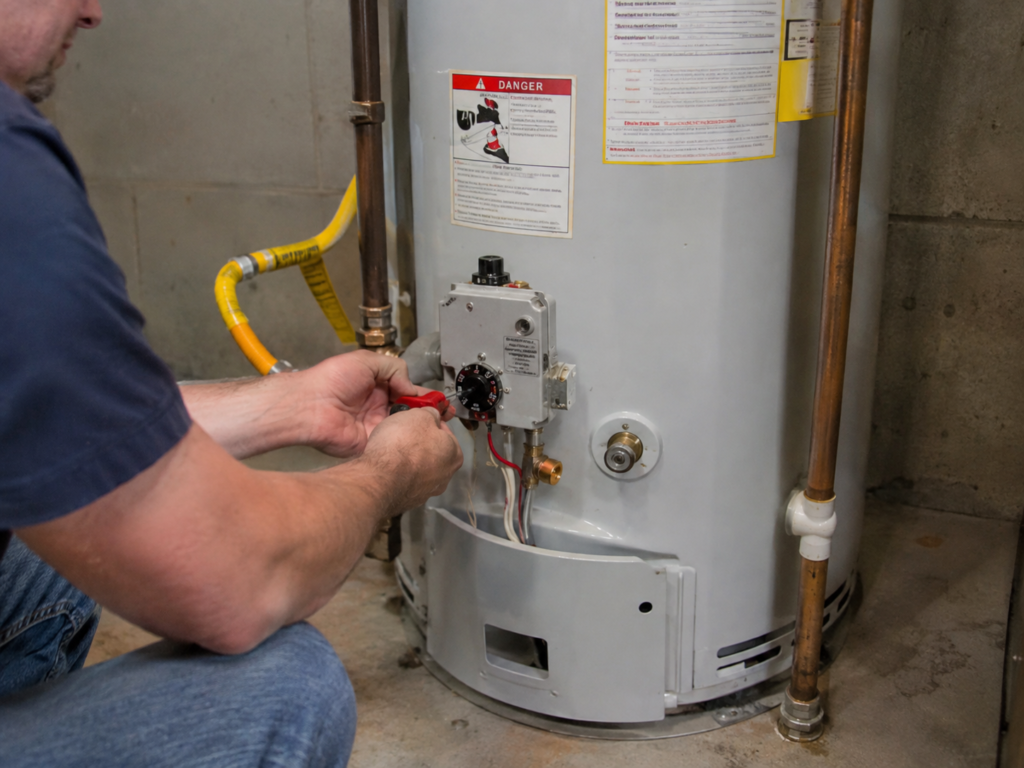
Traditional water heaters use an insulated storage tank to hold and heat a specific amount of water. When a hot-water faucet is turned on, heated water leaves the tank and travels through the home’s plumbing system.
As hot water is used, cold water enters the tank and is heated to maintain the desired temperature.
Storage-tank water heaters are available in different capacities, making them suitable for homes with varying levels of hot-water demand. They are also a familiar option for many homeowners and plumbing professionals.
Advantages of Traditional Water Heaters
One major advantage is their ability to store hot water for immediate use. A properly sized tank can provide enough hot water for several household activities.
Traditional units are also widely available and can be relatively straightforward to install or replace when an existing system reaches the end of its service life.
For homeowners working with a limited initial budget, a traditional water heater may also have a lower upfront purchase and installation cost compared with some tankless systems.
Potential Drawbacks
The biggest limitation is that a storage tank has a finite capacity. If a household uses more hot water than the tank can provide, the supply may temporarily run out while the unit reheats.
Traditional water heaters also require space for the tank. Because the system continuously heats stored water, it can use energy even when no hot water is being used.
How Does a Tankless Water Heater Work?
Tankless water heaters take a different approach. Instead of storing a large volume of hot water, they heat water as it passes through the unit when a hot-water fixture is being used.
When a faucet or shower is turned on, the system detects water flow and activates its heating mechanism. The water is then heated as it travels through the unit.
Because there is no large storage tank, tankless systems are often referred to as on-demand water heaters.
Advantages of Tankless Water Heaters
One of the primary benefits is their compact size. Without a large storage tank, these systems can provide homeowners with more flexibility when it comes to installation space.
Tankless units can also provide a continuous supply of hot water as long as the system has sufficient capacity for the demand. This can be particularly useful for households that regularly use hot water throughout the day.
Another potential advantage is reduced standby energy use because the system does not continuously maintain a tank of stored hot water.
Potential Drawbacks
Tankless water heaters can have higher upfront costs, particularly when installation requires modifications to gas lines, electrical systems, ventilation, or plumbing.
They also have a maximum flow rate. If multiple high-demand fixtures are operating simultaneously, a unit that is too small may struggle to provide the desired temperature and flow.
Proper sizing is therefore important. A professional should consider the home’s expected hot-water demand before selecting a tankless system.
Tankless vs. Traditional: Key Differences
The best choice depends on the home’s specific requirements.
Storage capacity: Traditional systems store a set amount of hot water, while tankless systems heat water as needed.
Space: Tankless units are generally more compact, while traditional systems require room for a storage tank.
Hot-water availability: A properly sized tankless unit can provide hot water continuously, while a storage tank can eventually run out and require reheating.
Upfront cost: Traditional water heaters often have a lower initial cost, while tankless systems may require a larger initial investment.
Energy use: Tankless systems avoid the standby heating associated with storing hot water, although actual energy savings depend on household usage and system efficiency.
Maintenance: Both types require maintenance, but the specific requirements vary depending on the equipment, water quality, installation, and manufacturer’s recommendations.
Which Water Heater Is Better for a Large Family?
A large household may have higher simultaneous hot-water demand. Several people may shower around the same time while a dishwasher or washing machine is operating.
A properly sized traditional tank can provide a substantial amount of stored hot water, while a correctly sized tankless system may provide continuous heating within its rated flow capacity.
The important factor is not simply household size but the home’s actual hot-water usage patterns. A plumbing professional can help calculate demand and determine an appropriate system size.
Which Option Is Better for a Smaller Home?
A smaller household with moderate hot-water demand may benefit from the compact design of a tankless system. However, a traditional water heater can still be a practical choice, particularly when minimizing initial installation costs is important.
Available space, fuel type, existing plumbing infrastructure, and expected usage should all be considered before making a decision.
What About Installation and Maintenance?
Installation requirements vary considerably between water heater models. Tankless systems may require electrical upgrades, gas-line adjustments, or ventilation changes depending on the equipment.
Traditional systems also need proper installation, including appropriate connections, temperature and pressure safety components, and adequate clearance.
Regardless of the type, routine maintenance can help identify developing problems and maintain system performance. Homeowners should follow the manufacturer’s maintenance recommendations and have professional service performed when needed.
Making the Right Choice for Your Home
There is no single water heater that is ideal for every household. The right option depends on factors such as hot-water demand, available installation space, energy considerations, existing infrastructure, and budget.
If you’re unsure which system fits your home, Hi Tech Plumbing can help evaluate your existing setup, discuss your hot-water requirements, and explain the installation options available.
Final Thoughts
Tankless and traditional water heaters each have their own strengths and limitations. Traditional systems provide a familiar storage-based solution with readily available hot water, while tankless systems offer on-demand heating and a compact design.
Before replacing or installing a water heater, consider how much hot water your household uses, how much installation space is available, and what type of system best fits your long-term needs. A professional assessment can help ensure the system is properly sized, safely installed, and suitable for your home’s plumbing requirements.