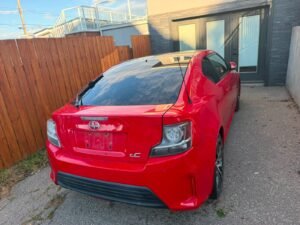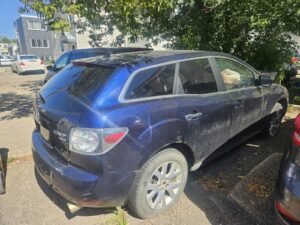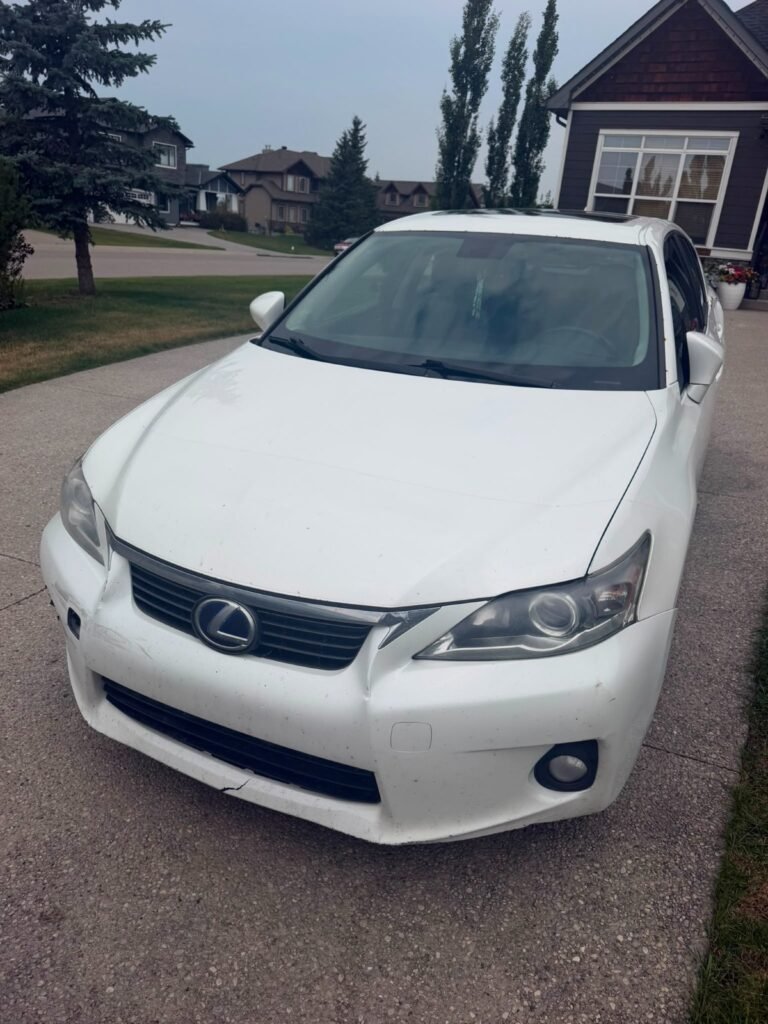

When selling an unwanted vehicle for scrap, many owners wonder what determines its final value. While the vehicle’s age, mechanical condition, and reusable components all play a role, its weight is another important factor. Scrap vehicles contain different amounts of steel, aluminium, and other recoverable materials, which can influence how much recycling businesses are willing to pay.
However, vehicle weight does not automatically determine its entire scrap value. Two cars with similar weights can receive different offers depending on their material composition, condition, missing components, and current scrap metal prices.
Understanding how vehicle weight affects scrap value can help you set realistic expectations before contacting professional car buyers.
1. Why Vehicle Weight Matters in Scrap Car Valuation
Vehicle weight provides an initial indication of how much recyclable material a car may contain. Heavier vehicles generally contain more metal, which can make them attractive to recycling facilities.
For example, a large SUV typically weighs more than a compact sedan. As a result, it may contain a greater quantity of recoverable steel and other metals.
However, recyclers do not simply pay for the vehicle’s entire weight. Several materials must be separated before processing, and some components require specialized handling.
The amount of recoverable metal is therefore more important than the vehicle’s total weight alone.
2. How Different Metals Influence Scrap Value
Vehicles contain several types of materials, and each can contribute differently to their recycling value.
Steel
Steel is one of the most common materials used in vehicle manufacturing. It can be found in frames, body panels, doors, structural components, and other major parts.
Because steel makes up a substantial portion of many vehicles, its weight can have a noticeable influence on their scrap value.
Aluminium
Aluminium is commonly used in engine components, wheels, radiators, and certain body panels.
It is lighter than steel and has its own recycling market. Vehicles containing more recoverable aluminium may offer additional material value.
Copper
Copper is used in electrical wiring, motors, and various vehicle systems. Although it generally represents a smaller portion of a car’s total weight, it can contribute to its overall recycling value.
Other Recyclable Materials
Vehicles also contain plastics, rubber, glass, and other materials. Some can be recovered or recycled, although their processing requirements and market values differ.
3. Do Heavier Vehicles Always Receive Higher Scrap Offers?
Not necessarily. Although heavier vehicles may contain more recyclable material, weight is only one part of the valuation process.
A large vehicle with significant missing components may receive a lower offer than expected. Similarly, a smaller vehicle containing valuable reusable parts may attract a competitive offer.
Professional buyers also consider:
-
The amount of recoverable metal.
-
The vehicle’s overall condition.
-
Missing or damaged components.
-
Current scrap metal prices.
-
Processing and transportation expenses.
-
Demand for reusable vehicle parts.
These factors explain why two vehicles with similar weights may have noticeably different scrap values.
4. How Vehicle Size and Type Affect Scrap Value
Different vehicle categories have different weights and material compositions. This can influence their potential value during recycling.
Compact Cars
Compact cars generally weigh less than larger vehicles. Although they contain less total metal, their usable components may still provide additional value.
Sedans
Sedans typically contain a combination of steel, aluminium, and other recyclable materials. Their overall weight and component condition influence their scrap potential.
SUVs
SUVs are generally heavier than compact cars and may contain more recoverable metal. However, their final value still depends on their material composition and condition.
Pickup Trucks
Pickup trucks can contain substantial amounts of metal because of their larger frames and body structures. Depending on the model and condition, they may have considerable recycling potential.
5. Does a Damaged or Stripped Vehicle Have Less Scrap Value?
Yes, missing components and extensive damage can influence the amount a buyer is willing to offer.
For example, a vehicle that has already had its engine, transmission, wheels, or other major components removed may contain less recoverable material than a complete vehicle of the same model.
Accident damage can also affect its condition and the possibility of recovering certain components.
However, a damaged vehicle can still have scrap value. Even when it cannot be repaired, its remaining metal and other recoverable materials may be useful to recycling businesses.
If your car has been sitting unused or has suffered extensive damage, you can explore cash for cars calgary services to understand what buyers may offer based on its current condition.
6. How Current Scrap Metal Prices Affect Vehicle Value
Scrap metal prices change according to market demand, supply, processing costs, and broader economic conditions.
When demand for recycled steel and aluminium increases, recycling businesses may be able to offer more competitive prices for suitable materials.
When market prices decline, the estimated value of an unwanted vehicle may also decrease.
This means the same vehicle could receive different offers at different times, even if its weight and condition remain unchanged.
Professional buyers generally consider current recycling market conditions when estimating how much they can pay.
7. Why Two Vehicles With Similar Weights Can Have Different Values
Vehicle weight alone cannot explain every difference in scrap offers.
Consider two older vehicles that weigh approximately the same amount. One has its original engine, transmission, wheels, and other components, while the other has already been stripped of several major parts.
Even though their original weights may have been similar, their current recoverable material and potential parts value can be very different.
Other reasons include:
-
Different steel and aluminium proportions.
-
Variations in vehicle design.
-
Different levels of rust or corrosion.
-
Missing catalytic converters or other components.
-
Differences in reusable parts demand.
-
Different transportation and processing requirements.
This is why professional buyers assess the complete vehicle rather than relying exclusively on its weight.
8. How Professional Buyers Estimate Scrap Car Value
Professional car buyers generally follow several steps when evaluating an unwanted vehicle.
Step 1: Identify the vehicle
They collect information about its make, model, manufacturing year, and approximate weight.
Step 2: Assess its condition
They check whether the vehicle is complete, damaged, running, or missing important components.
Step 3: Evaluate recoverable materials
They estimate the amount of steel, aluminium, copper, and other materials that can potentially be recovered.
Step 4: Consider reusable components
Functional engines, transmissions, wheels, and other parts may contribute additional value.
Step 5: Account for expenses
Towing, dismantling, transportation, and recycling costs may influence the final offer.
After considering these factors, the buyer determines an amount based on the vehicle’s overall recovery potential.
9. How to Get a Reasonable Offer for Your Scrap Vehicle
If you are planning to sell an unwanted car, a little preparation can make the process easier.
-
Provide accurate vehicle details, including its make, model, and year.
-
Mention whether the car is complete or missing major components.
-
Explain any known mechanical problems or accident damage.
-
Share clear photographs when requested.
-
Keep ownership documents ready.
-
Compare offers from multiple professional buyers.
-
Ask whether towing and vehicle pickup are included.
You should also avoid removing potentially valuable components before receiving an assessment. A complete vehicle may offer better recovery opportunities than one that has been partially dismantled.
10. Is Selling a Scrap Car Better Than Keeping It?
Keeping an unwanted vehicle can involve ongoing expenses, especially when it occupies valuable parking space or requires repeated repairs.
If the car is no longer roadworthy and restoring it would cost more than its potential resale value, selling it for scrap may be a practical alternative.
You can explore cash for junk cars services to find out whether your vehicle qualifies for purchase in its existing condition.
YYC Cash for Cars provides vehicle purchasing options for Calgary owners with unwanted, damaged, and non-running vehicles. You can share your vehicle information, explain its condition, and request an offer without spending money on unnecessary repairs.
Final Thoughts
Vehicle weight plays an important role in determining how much a scrap car may be worth because heavier vehicles often contain more recoverable metal. However, weight is not the only factor that professional buyers consider.
Material composition, reusable components, missing parts, vehicle condition, current scrap metal prices, and processing expenses all influence the final offer.
Before selling, compare different offers and make sure you understand how the buyer evaluates your vehicle. This can help you make a more informed decision and get reasonable value from a car you no longer need.